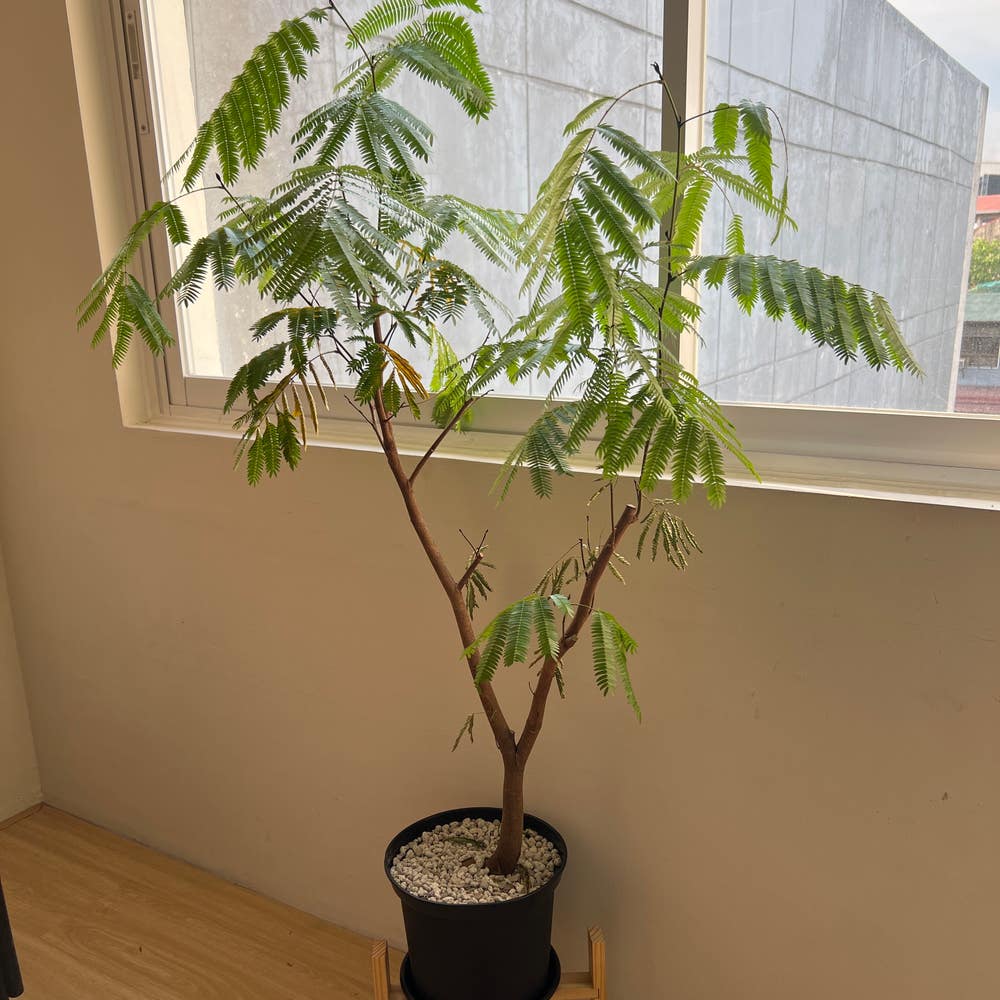
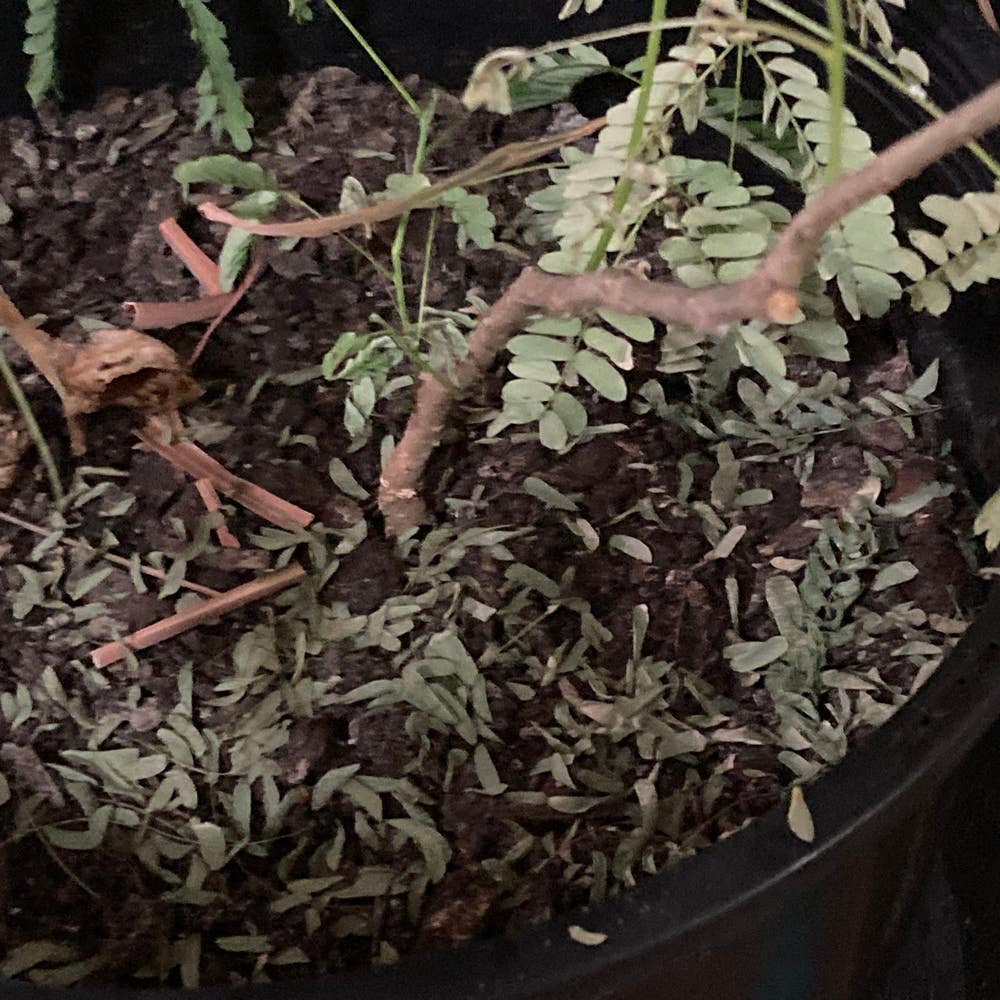
💧 How Much Humidity Does My Pink Silk Tree Need?
Albizia julibrissin
By the Greg Editorial Team
Jun 18, 2024•3 min read
This article was created with the help of AI so we can cover more plants for you. May contain errors. See one? Report it here.
Ensure lush leaves and vibrant blooms for your Pink Silk Tree with the ideal humidity guide. 🌸🌡️
- 40-60% relative humidity is ideal for Pink Silk Trees.
- 🌡️ Temperature impacts humidity; monitor with hygrometers.
- 💨 Balance humidity with humidifiers, dehumidifiers, and airflow.
Dialing in the Right Humidity for Your Pink Silk Tree
🌿 Why Humidity Matters for Your Pink Silk Tree
Humidity is crucial for your Pink Silk Tree's health; it's the unsung hero that keeps the leaves lush and the flowers blooming. Temperature also plays a part, as it affects how much moisture the air can hold—get it wrong, and you're throwing your plant's vibe off balance.
📏 Measuring Up: Tools and Tips
Hygrometers are your go-to gadgets for keeping a watchful eye on humidity levels. They're like personal trainers for your plant's atmosphere, keeping the moisture levels in check. Understanding your local humidity is key—it sets the stage for how much extra care your Pink Silk Tree might need to stay in the limelight.

The Sweet Spot: Ideal Humidity Levels
🌿 Finding the Perfect Range
Humidity isn't just a number; it's a lifeline for your Pink Silk Tree. The optimal range hovers between 40% and 60% relative humidity. Within this bracket, your tree won't just survive; it'll throw a party, complete with vibrant growth and stress-free vibes.
🌊 Absolute vs. Relative Humidity: A Quick Dive
Let's cut through the fog: absolute humidity is the total water vapor in the air, while relative humidity is that amount relative to the temperature. For your Pink Silk Tree, relative humidity is the star of the show, as it dictates how much moisture is available for your plant to party on.

Boosting Humidity: When Your Pink Silk Tree Craves More
🌴 Creating a Tropical Haven
In the quest for higher humidity for your Pink Silk Tree, consider the buddy system. Grouping plants together is like hosting a microclimate mixer, where each plant's transpiration contributes to the collective moisture in the air. It's a simple yet effective way to mimic a more tropical atmosphere.
Water features can also add a splash of humidity to your plant's environment. The gentle sound of a trickling fountain isn't just soothing for you; it's a moisture party for your Pink Silk Tree.
For a more controlled approach, humidifiers are the go-to. They're like personal rain clouds, consistently showering your Pink Silk Tree with the moisture it needs. On the flip side, pebble trays are the low-tech, no-fuss alternative. Just ensure the pot's bottom isn't submerged to prevent root rot.
💦 A Spritz of Bliss
When your Pink Silk Tree's leaves look as parched as a sunbaked tourist, a quick mist can offer relief. Misting is the plant-care equivalent of a refreshing face spritz on a hot day – it's a temporary pick-me-up. Use room-temperature water to avoid shocking your plant's system. Remember, it's a quick fix, not a long-term solution, so don't make it the cornerstone of your humidity strategy.

Too Much of a Good Thing: Lowering Humidity
💨 Ventilation and Airflow
Your Pink Silk Tree loves moisture, but too much can lead to a soggy disaster. Airflow is critical; it stops humidity from overstaying its welcome.
A fan or an open window can be a game-changer, ensuring your plant's leaves aren't left feeling like they're in a sauna. Strategic placement of fans helps circulate air without creating a mini hurricane in your plant corner.
🌬 Using Dehumidifiers to Strike a Balance
When the air feels like a wet blanket, it's time for a dehumidifier to step in. It's the unsung hero that sips excess moisture out of the air, safeguarding your Pink Silk Tree from becoming a mold magnet.
Remember, it's all about balance. Use a dehumidifier to maintain the ideal humidity level, but don't turn your indoor oasis into a desert. Keep an eye on your plant's response and adjust accordingly.
⚠️ Safety First
This content is for general information and may contain errors, omissions, or outdated details. It is not medical, veterinary advice, or an endorsement of therapeutic claims.
Always consult a qualified healthcare professional before using any plant as food, medicine, or supplement.
Never eat any plant (or feed one to pets) without confirming its identity with at least two trusted sources.
If you suspect poisoning, call Poison Control (800) 222-1222, the Pet Poison Helpline (800) 213-6680, or your local emergency service immediately.
Spotted an error? Please report it here.
Keep your Pink Silk Tree thriving 🌿 with Greg's personalized reminders to adjust humidity levels, ensuring your blooms are always lush and vibrant.