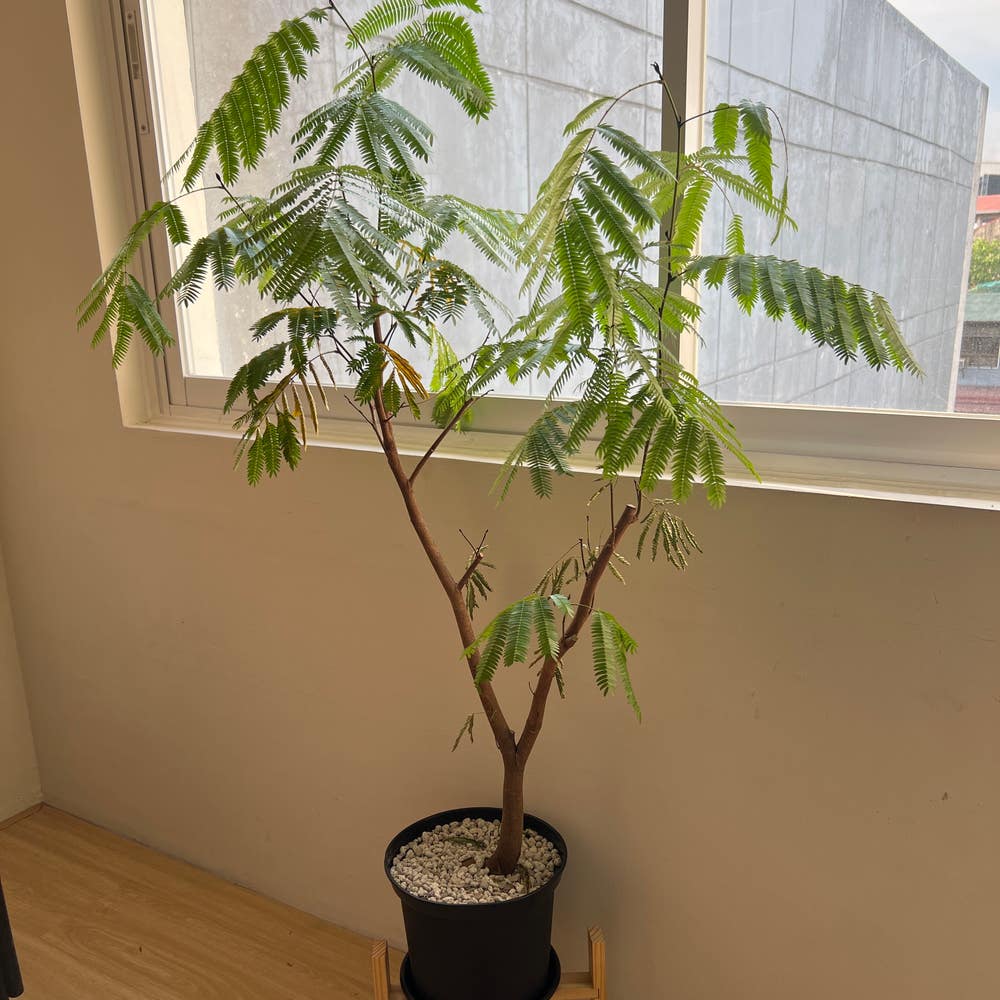
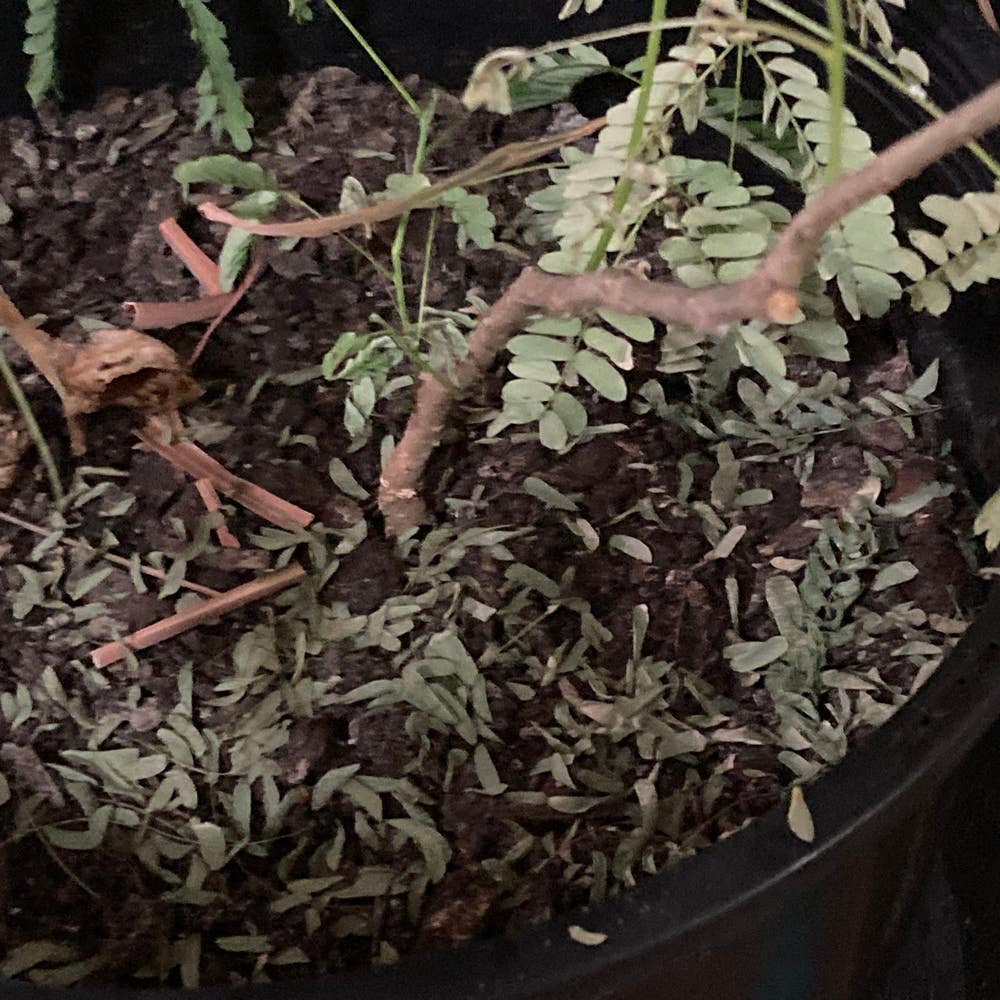
Why Are My Pink Silk Tree Leaves Curling?
Albizia julibrissin
By the Greg Editorial Team
Jun 18, 2024•4 min read
This article was created with the help of AI so we can cover more plants for you. May contain errors. See one? Report it here.
Unravel the mystery of curling Pink Silk Tree leaves and safeguard your green gem's 🌿 vitality with proven care strategies.
- 🌡️ Extreme weather causes curling; protect with windbreaks and shade.
- 💧 Soil moisture management is key; mulch and monitor dryness.
- 🐛 Pests, diseases, and nutrients matter; use treatments and balanced fertilizer.
Pinpointing the Culprits Behind Leaf Curling
⛅️ Weather Woes
Extreme temperatures and wind are notorious for causing leaf curling in Pink Silk Trees. Leaves curl up to conserve moisture during heat waves or to protect against cold damage.
To shield your tree, use windbreaks and shade cloth to buffer against harsh elements.
💧 Watering Wisdom
Finding the watering sweet spot is crucial. Too much water leads to root rot, while too little causes drought stress and leaf curling.
Soil moisture management is key. Mulch to retain moisture and check soil dryness regularly to ensure proper watering.
🐜 Unwanted Guests: Pests and Diseases
Pests and diseases are stealthy culprits behind leaf curling. Look for telltale signs like spots or webbing.
For spot treatment, use insecticidal soap or fungicide. Long-term, integrate pest and disease checks into your routine care to prevent future outbreaks.

Nourishment Know-How
💡 Detecting Nutrient Deficiencies
Yellowing leaves on your Pink Silk Tree might be shouting for nitrogen. If the tips are browning, potassium could be sending an SOS. It's like your tree is trying to tell you what it's missing. To decode these signals, compare leaf symptoms with common nutrient deficiencies.
🍽️ Fertilizing Fixes
Once you've played plant detective, it's time to act. A balanced fertilizer can be like a gourmet meal for your Pink Silk Tree. But remember, more isn't always better. Over-fertilizing is the botanical equivalent of binge eating junk food—harmful to your tree's health.
🌱 The pH Factor
Soil pH isn't just a number; it's a gateway for nutrients. If it's off, your tree might as well be dining with a locked jaw. Adjusting soil pH is like picking the lock, ensuring those nutrients get where they need to go.
🧪 Adjusting Soil pH
Grab a soil pH kit—your tree's health could hinge on it. If the pH is too high or too low, it's time for some soil science. Lime can raise the pH, while sulfur can lower it. It's like tuning an instrument to make sure it hits the right notes.

Reviving Curled Leaves
🌿 Immediate Interventions
When curled leaves strike your Pink Silk Tree, time is of the essence. Check for pests first; they're often the culprits. A blast of water or a dab of insecticidal soap can send them packing. If the curling persists, consider environmental stressors. Is your tree getting too much sun or suffering from a draft? Relocate it if necessary.
If you've ruled out pests and environmental factors, it might be a nutrient issue. A balanced fertilizer can work wonders, but don't overdo it—more isn't always better. When these quick fixes don't cut it, it's time to seek professional help. A seasoned arborist can diagnose issues that are beyond the gardener's ken.
🌱 Long-Term Leaf Care
For the long haul, your Pink Silk Tree needs a care routine tailored to its needs. Adjust watering to the tree's life cycle and seasonal changes. Keep an eye on soil moisture; it should be moist, not soggy or bone-dry.
Monitor growth regularly. New leaves are a sign you're on the right track. If problems persist, reassess your approach. It might be something as simple as tweaking the amount of sunlight or water. Remember, plant care is not set-and-forget; it's a dynamic process that requires ongoing attention and adjustment.

Proactive Protection Strategies
🌳 Seasonal Safeguards
Preparing your Pink Silk Tree for the changing seasons is crucial to prevent leaf curling.
⛈️ Weatherproofing Your Tree
Winter's chill and summer's scorch can both cause leaves to curl. Shield your tree from frost by wrapping it or providing a heat source during cold snaps. In the heat of summer, use shade cloth to protect the leaves from scorching sun.
Adjusting Care with the Seasons
Watering routines need to shift with the seasons. Less is more during the dormant winter months, while summer may call for increased hydration. Always check soil moisture before watering to avoid overdoing it.
👀 Vigilant Vigilance
Routine checks are your first line of defense against leaf curling.
🕵️ Regular Health Inspections
Inspect leaves for early signs of stress, such as discoloration or unusual patterns. Catching issues early can prevent more severe damage.
Keeping a Leaf Curl Diary
Track your observations in a diary. Note any changes in the environment and how your tree responds. This record can help you adjust care and prevent future issues.
⚠️ Safety First
This content is for general information and may contain errors, omissions, or outdated details. It is not medical, veterinary advice, or an endorsement of therapeutic claims.
Always consult a qualified healthcare professional before using any plant as food, medicine, or supplement.
Never eat any plant (or feed one to pets) without confirming its identity with at least two trusted sources.
If you suspect poisoning, call Poison Control (800) 222-1222, the Pet Poison Helpline (800) 213-6680, or your local emergency service immediately.
Spotted an error? Please report it here.
Ensure your Pink Silk Tree thrives with unfurled leaves 🌿 by using Greg's tailored care reminders and environmental monitoring to protect against the elements and pests.