Symbolism and Benefits of the Pink Silk Tree
Albizia julibrissin
By the Greg Editorial Team
Jun 18, 2024•3 min read
This article was created with the help of AI so we can cover more plants for you. May contain errors. See one? Report it here.
Embrace the Pink Silk Tree's charm 🌸, from cultural symbolism to eco-friendly perks, for a flourishing garden and planet.
- 🌸 Symbolizes feminine beauty, revered across cultures.
- Attracts wildlife and improves soil, supporting ecosystems.
- Drought-tolerant and medicinal, practical for gardens and health.
Aesthetic Marvel and Its Symbolism
🌸 Ornamental Beauty
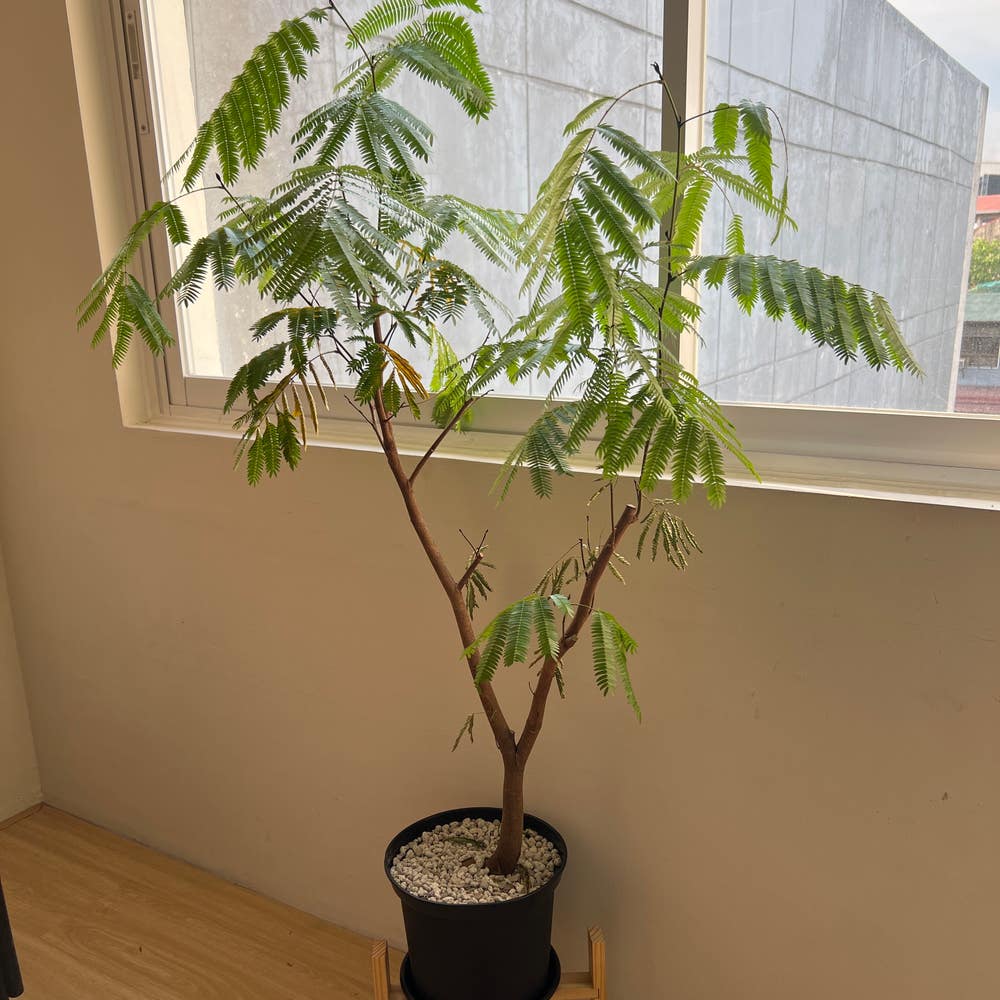
The Pink Silk Tree dazzles with its pompom-like pink blooms, transforming any garden into a visual paradise. Its feathery leaves, which close as evening falls, add a touch of whimsy to its ornate presence.
💃 Symbol of Femininity
In various cultures, the tree's delicate flowers and graceful form have become emblems of feminine beauty. This symbolism is woven into art and design, reflecting a deep appreciation for nature's gentle yet profound allure.

Nature's Allies and Cultural Icons
🌸 Wildlife Attraction
The Pink Silk Tree doesn't just stand pretty; it's a veritable oasis for wildlife. Its vibrant blooms are not just a feast for the eyes but a banquet for pollinators like bees and butterflies. Birds perch among its branches, finding both refuge and a hearty meal in its flowers and seeds.
🎨 Cultural and Historical Roots
Steeped in history, the Pink Silk Tree is a cultural chameleon. In art, it's a muse; in folklore, a symbol of resilience. Its roots run deep in rituals, where it's revered for its delicate yet enduring nature. Cultures worldwide have embraced it in various forms, from the Persian gardens to the Korean mountainsides, each finding a unique resonance with this botanical marvel.

Health and Environmental Contributions
💊 Medicinal Uses
The Pink Silk Tree, known scientifically as Albizia julibrissin, is more than just a pretty face. Its bark and flowers have been tapped for traditional remedies. These parts of the tree are believed to offer health benefits, such as soothing the nervous system and acting as a mild sedative. While not a panacea, the tree's components have been used to alleviate conditions like insomnia and anxiety.
🌱 Soil Improvement and Environmental Adaptability
Soil fertility gets a boost from the Pink Silk Tree, thanks to its nitrogen-fixing abilities. This means it can convert atmospheric nitrogen into a form usable by plants, enriching the soil without the need for chemical fertilizers. Its environmental adaptability is equally impressive. The tree thrives in a range of conditions, from full sun to partial shade, and once established, it's quite drought-tolerant. This resilience makes it a valuable player in reforestation and soil restoration projects.

Practical Perks for Gardeners
🏜️ Drought Tolerance
The Pink Silk Tree is a champion of resilience, especially in arid conditions. It scoffs at drought, thanks to its remarkable ability to conserve water, making it a low-maintenance ally for gardeners living in water-scarce regions.
🌳 Shade Provider
Under the Pink Silk Tree's canopy, you'll find a cool retreat from the relentless sun. Its broad leaves cast a generous shade, creating a natural chill-out zone that's not only a relief on hot days but also reduces the need for air conditioning.
The Pink Silk Tree in Modern Times
🌆 Urban and Rural Appeal
The Pink Silk Tree's versatility is evident in its ability to flourish in both manicured city parks and sprawling rural landscapes. Its elegance graces urban terrariums and rural gardens alike, proving that natural beauty knows no bounds.
🌿 Inspiring Conservation
The tree's environmental benefits spark conversations on conservation, making it a natural ally in the fight against climate change. Its air-purifying qualities and aesthetic appeal serve as a daily reminder of our responsibility to the planet.
⚠️ Safety First
This content is for general information and may contain errors, omissions, or outdated details. It is not medical, veterinary advice, or an endorsement of therapeutic claims.
Always consult a qualified healthcare professional before using any plant as food, medicine, or supplement.
Never eat any plant (or feed one to pets) without confirming its identity with at least two trusted sources.
If you suspect poisoning, call Poison Control (800) 222-1222, the Pet Poison Helpline (800) 213-6680, or your local emergency service immediately.
Spotted an error? Please report it here.
Discover the resilience 🌸 of the Pink Silk Tree and let Greg's personalized care reminders help you cultivate its beauty and benefits effortlessly.