5 Tips for Watering Your Sweet Almond Bush 🌰
Aloysia virgata
By the Greg Editorial Team
Sep 28, 2024•5 min read
This article was created with the help of AI so we can cover more plants for you. May contain errors. See one? Report it here.
Unlock the secret to a thriving sweet almond bush 🌱 with expert watering tips for year-round success! 💧
- 💧 Water every 1-2 weeks during growth; adjust to 2-4 weeks in dormancy.
- 🌡️ Climate affects watering frequency; adapt to hot, dry, or humid conditions.
- 🌱 Check soil moisture regularly to prevent over or under-watering issues.
Recommended Watering Frequency
🌧️ General Watering Schedule
To keep your sweet almond bush thriving, establish a consistent watering routine. During the growing season—spring and summer—water every 1 to 2 weeks.
In contrast, during the dormant season—fall and winter—reduce watering to every 2 to 4 weeks. If your plant is in its initial growth phase, check the soil weekly to ensure it remains consistently moist.
📊 Factors Affecting Watering Frequency
Several factors can influence how often you should water your sweet almond bush.
Climate considerations play a significant role. In hot, dry climates, you may need to water more frequently, while humid climates can lessen your watering needs.
Seasonal changes also affect watering frequency. Expect to increase your watering in the summer and decrease it during the winter months.
Lastly, consider the pot size. Smaller pots dry out faster, requiring more frequent watering, while larger pots retain moisture for longer periods.
By understanding these factors, you can tailor your watering schedule to meet your plant's specific needs. This proactive approach will help ensure your sweet almond bush remains healthy and vibrant.
Next, let’s explore how to recognize signs of over-watering to keep your plant in optimal condition.
Recognizing Over-Watering
Signs of Over-Watering 🌧️
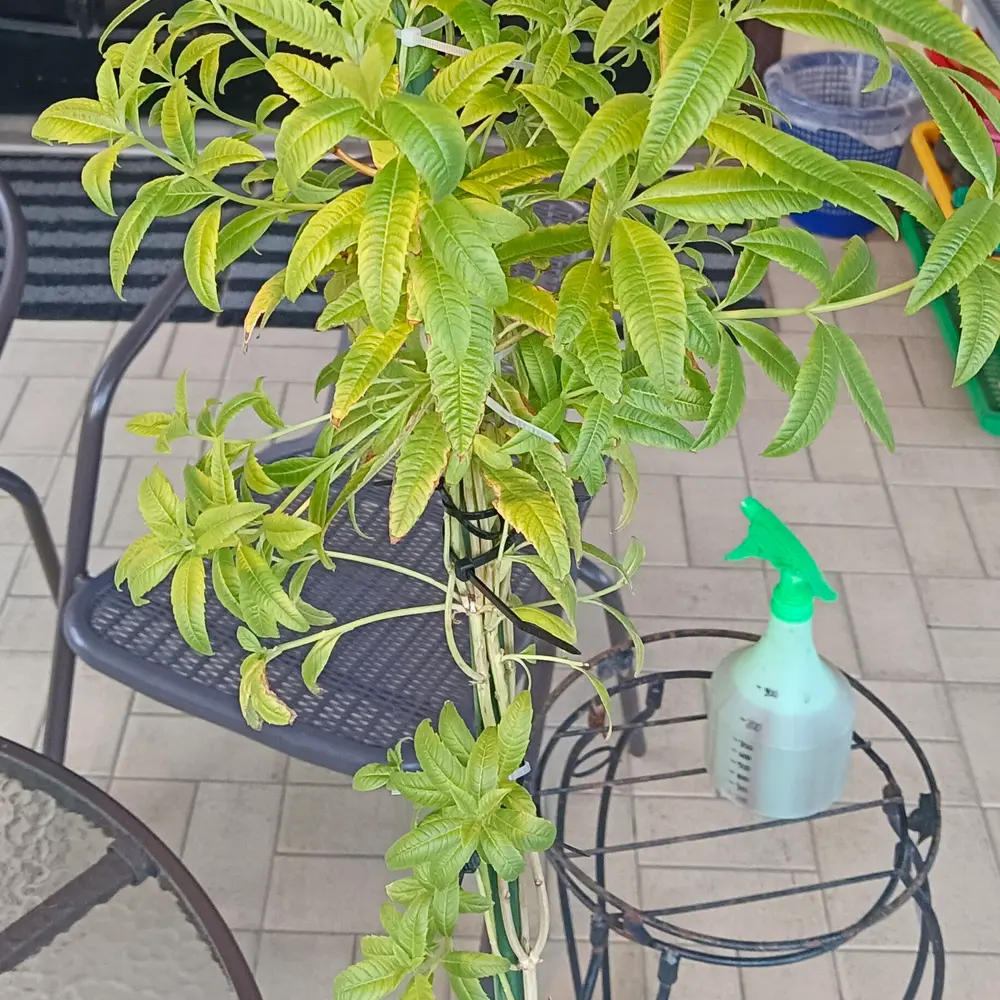
Over-watering can be a sneaky issue for your sweet almond bush. Look out for yellowing leaves; they may turn yellow and drop off, signaling distress.
Another telltale sign is wilting despite wet soil. If your plant appears droopy even when the soil is moist, it’s time to investigate further.
Lastly, check for root rot. A foul smell from the soil and mushy roots upon inspection are clear indicators that your plant is suffering from too much water.
Consequences of Over-Watering ⚠️
The consequences of over-watering can be quite serious. Excess water can stunt growth by hindering nutrient uptake, leaving your plant weak and unproductive.
Additionally, over-watered plants become more susceptible to pests and diseases. A weakened plant is an easy target for unwanted invaders, so it's crucial to keep an eye on your watering habits.
Recognizing these signs and consequences will help you maintain a healthy sweet almond bush. Next, let’s explore how to identify the signs of under-watering to ensure your plant thrives.
Recognizing Under-Watering
Signs of Under-Watering 🌵
Under-watering can be a sneaky issue for your sweet almond bush. Look out for wilting leaves; they may curl or droop, signaling that your plant is thirsty.
Another telltale sign is dry, cracked soil. If the soil pulls away from the pot edges, it’s a clear indication that moisture is lacking. Additionally, keep an eye on leaf drop; older leaves may fall off prematurely when the plant is stressed.
Consequences of Under-Watering ⚠️
The stress from under-watering can lead to reduced flowering and stunted growth. Your sweet almond bush needs adequate moisture to thrive and produce those beautiful blooms.
Long-term under-watering can cause serious damage. Prolonged dryness weakens the plant's structure, making it more susceptible to diseases and pests.
Recognizing these signs early can save your plant from unnecessary stress. Next, let’s explore effective watering techniques to keep your sweet almond bush healthy and happy.
Watering Techniques
Bottom-Watering Method 🌊
The bottom-watering method is an easy and effective way to ensure your sweet almond bush gets the moisture it needs.
- Fill a basin or tray with water.
- Place the pot in the basin, allowing the soil to absorb water from the bottom.
- Remove the pot once the topsoil feels moist, usually after about 30 minutes.
This technique encourages deep root growth and helps prevent over-saturation of the topsoil.
Self-Watering Pots 💧
Self-watering pots are a game changer for busy gardeners.
Benefits:
- They maintain consistent moisture levels, reducing the risk of both over- and under-watering.
- You’ll find yourself watering less frequently, which is a huge plus when life gets hectic.
How They Work: A reservoir at the bottom allows plants to draw water as needed, ensuring they stay hydrated without constant attention.
Using these techniques can simplify your watering routine and keep your sweet almond bush thriving.
Next, let’s explore how to measure soil moisture effectively to ensure your plant is getting just the right amount of water.
Measuring Soil Moisture
🛠️ Tools for Measuring Soil Moisture
Keeping track of your sweet almond bush's moisture levels is crucial. A soil moisture meter is a handy tool that provides accurate readings, helping you determine when to water.
Another useful device is a hygrometer, which measures the humidity around your plant. This can give you insights into the overall environment your bush is growing in.
👋 How to Check Moisture Levels Manually
You don't always need fancy tools to check soil moisture. Start by inserting your finger into the soil up to 2 inches.
If it feels dry, it’s time to water; if it feels moist, wait a few days. For a more thorough check, use a wooden stick or skewer to gauge moisture at different depths.
Understanding moisture levels will help you maintain a healthy sweet almond bush. With the right techniques, you can ensure your plant thrives without the risk of over- or under-watering.
Next, let’s explore some effective watering techniques to keep your plant happy and hydrated.
Care Reminders
Using the Greg Plant Care App 🌱
Keeping your sweet almond bush thriving is easier with the right tools. The Greg Plant Care App allows you to set personalized watering schedules tailored to your plant's specific needs.
With this app, you can receive timely reminders for watering frequency. This ensures your plant maintains optimal moisture levels, preventing both over-watering and under-watering.
By leveraging technology, you can focus on enjoying your gardening experience. Stay connected to your plant's needs and watch it flourish!
Next, let’s explore effective watering techniques that can further enhance your plant care routine.
⚠️ Safety First
This content is for general information and may contain errors, omissions, or outdated details. It is not medical, veterinary advice, or an endorsement of therapeutic claims.
Always consult a qualified healthcare professional before using any plant as food, medicine, or supplement.
Never eat any plant (or feed one to pets) without confirming its identity with at least two trusted sources.
If you suspect poisoning, call Poison Control (800) 222-1222, the Pet Poison Helpline (800) 213-6680, or your local emergency service immediately.
Spotted an error? Please report it here.
Keep your sweet almond bush thriving 🌿 by using Greg's personalized watering reminders to master its unique needs with confidence!