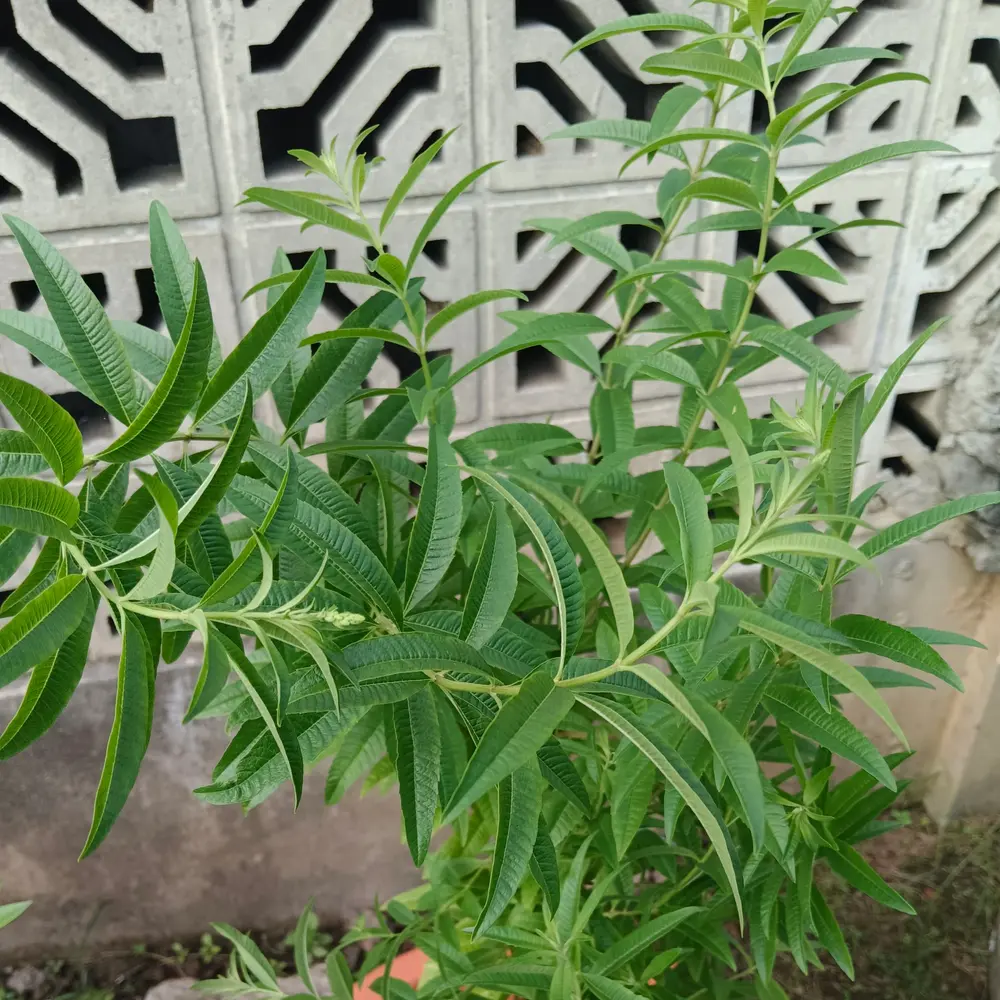
Best Tips for Healthy Almond Verbena Roots 🌰
Aloysia virgata
By the Greg Editorial Team
Oct 12, 2024•5 min read
This article was created with the help of AI so we can cover more plants for you. May contain errors. See one? Report it here.
Master Almond Verbena's root system 🌱 for vibrant growth and resilience in your garden!
- 🌱 Almond Verbena roots thrive in various soils, reaching depths of 2-3 feet.
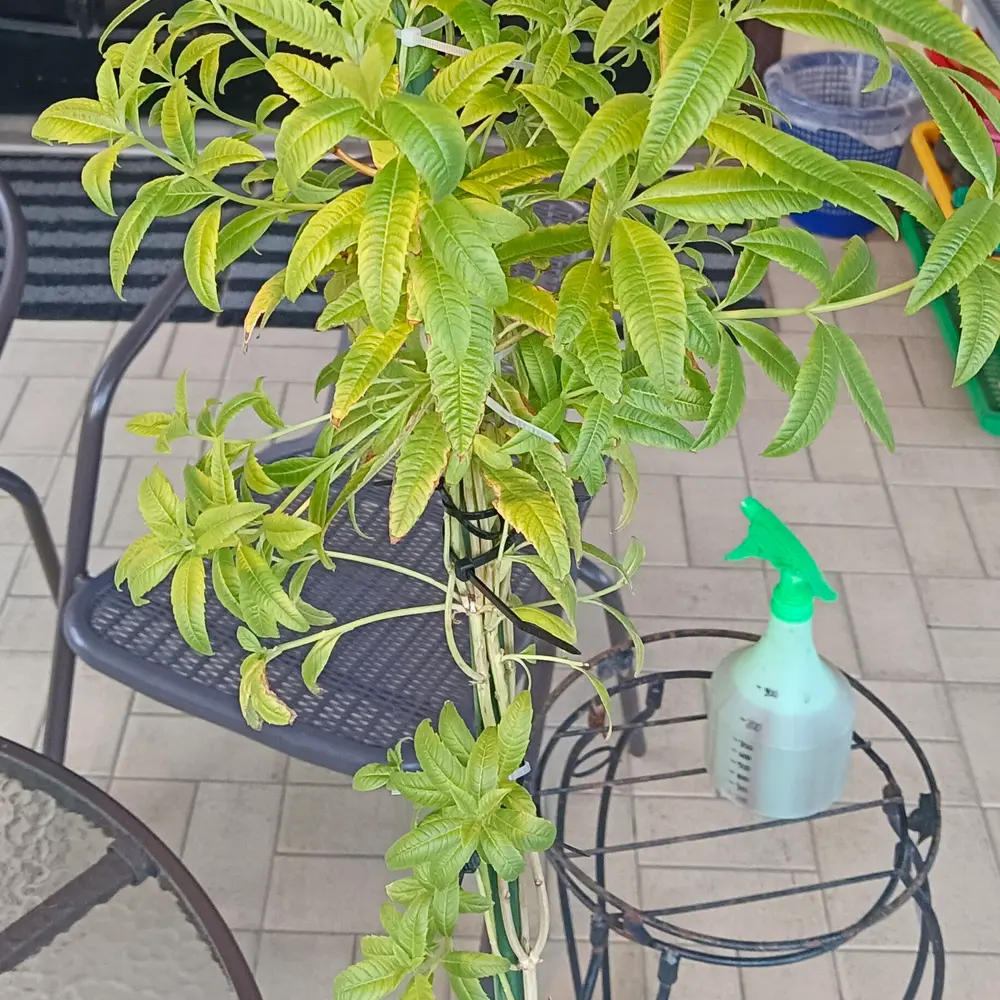
- 💧 Avoid overwatering to prevent yellow leaves and root rot; let soil dry slightly.
- 🌿 Healthy roots are crucial for growth; check for firmness and avoid foul odors.
Characteristics of the Root System
Type of Root System 🌱
Almond Verbena boasts a fibrous root system characterized by an extensive network of thin roots. This structure allows it to adapt effectively to various soil types, making it a resilient choice for gardeners.
Root Depth and Spread 📏
On average, the roots reach a depth of 2-3 feet (60-90 cm) and can spread horizontally up to 3-4 feet (90-120 cm). In optimal conditions, these roots grow rapidly, while growth slows in poorer soil.
Resilience to Stress Factors 💪
One of the remarkable features of Almond Verbena's roots is their ability to withstand drought. The deep roots not only access moisture but also contribute to resistance against pests and diseases, ensuring a healthier plant overall.
Understanding these characteristics is crucial for nurturing a thriving Almond Verbena. With the right care, you can enhance its resilience and growth potential.
Watering and Fertilizing
🌱 Impact of Root System on Watering Needs
The root system of Almond Verbena plays a crucial role in determining its watering needs. It's essential to allow the soil to dry slightly between waterings, as this promotes healthy root growth.
Signs of overwatering can be detrimental. Look out for yellowing leaves and root rot, which indicate that your plant is struggling.
🌿 Fertilization Techniques
To keep your Almond Verbena thriving, use a balanced NPK fertilizer, such as 10-10-10, during the growing season. This will provide the essential nutrients needed for robust root health.
Timing is key; fertilize every 4-6 weeks for optimal results. Incorporate the fertilizer into the top layer of soil to ensure it reaches the roots effectively.
By following these watering and fertilizing practices, you can significantly enhance the health of your Almond Verbena's root system. This foundation will set the stage for successful transplanting and propagation, which we will explore next.
Transplanting Practices
Best Practices for Transplanting 🌱
Transplanting Almond Verbena can be a rewarding experience when done correctly. The best time to transplant is during early spring or fall, as these seasons minimize stress on the plant.
For optimal results, choose a cloudy day or transplant in the evening. This helps reduce shock and allows the plant to acclimate more easily to its new environment.
Considerations for Root Structure 🌳
When preparing to transplant, it's crucial to handle the root ball with care. Gently loosen it to avoid damaging the roots, which are vital for the plant's health.
Ensure that the new planting hole is twice the width of the root ball. This allows for proper spread and encourages healthy growth in its new home.
Transplanting Almond Verbena with these practices in mind sets the stage for a thriving plant. Next, let’s explore common root-related issues that can arise and how to tackle them effectively.
Common Root-Related Issues
🦠 Identifying Root Rot and Other Diseases
Root rot can be a sneaky problem for Almond Verbena. Look out for symptoms like wilting leaves, stunted growth, and a foul odor emanating from the soil.
These issues often stem from overwatering and poor drainage. If your plant is sitting in soggy soil, it’s a recipe for disaster.
🛡️ Preventative Measures for Root Health
To keep your roots happy, use well-draining soil and pots equipped with drainage holes. This simple step can make a world of difference.
Regularly check moisture levels to avoid overwatering. A quick finger test can help you gauge if the soil is too wet or just right.
By staying vigilant about these common root-related issues, you can ensure your Almond Verbena thrives. Next, let’s explore how to recognize root health through visual cues.
Recognizing Root Health
👀 Visual Cues for Healthy vs. Unhealthy Roots
Healthy roots are a gardener's pride. Look for roots that are firm, with a white or light tan color, and importantly, they should have no foul smell.
On the flip side, unhealthy roots tell a different story. If you notice dark, mushy, or slimy textures, along with a foul odor, it’s a clear sign that something is wrong.
🔒 Indicators of Rootbound Conditions
Rootbound conditions can stunt your plant's growth. Signs include roots growing out of drainage holes or the plant showing stunted growth.
To remedy this, consider repotting into a larger container. Alternatively, dividing the plant can also help rejuvenate its growth and root health.
Recognizing these signs early can make a significant difference in the vitality of your Almond Verbena. With proper care, you can ensure your plant thrives and flourishes.
Next, let’s explore effective propagation and division techniques to further enhance your gardening success.
Propagation and Division
🌱 Importance of Root Health in Propagation
Healthy roots are the backbone of successful propagation and growth. They provide the necessary nutrients and stability for new plants, ensuring they thrive in their new environments.
✂️ Step-by-Step Guide for Dividing Almond Verbena
1. Timing
The best time to divide your Almond Verbena is during early spring or fall. This timing minimizes stress on the plant and encourages quicker recovery.
2. Tools
Gather your tools before you start. You'll need clean, sharp garden shears to make precise cuts without damaging the roots.
3. Process
Remove the Plant: Carefully take the plant out of its pot, being gentle to avoid breaking any roots.
Separate the Root Ball: Gently divide the root ball into sections. Ensure each section has both roots and foliage for the best chance of survival.
Replant: Place the sections in suitable soil, ensuring they have enough space to grow. Water them thoroughly to help settle the soil around the roots.
By following these steps, you can effectively propagate your Almond Verbena, ensuring healthy growth and vibrant plants. This process not only enhances your garden but also deepens your connection with these beautiful plants.
Next, let’s explore how to recognize root health, which is crucial for maintaining your Almond Verbena's vitality.
⚠️ Safety First
This content is for general information and may contain errors, omissions, or outdated details. It is not medical, veterinary advice, or an endorsement of therapeutic claims.
Always consult a qualified healthcare professional before using any plant as food, medicine, or supplement.
Never eat any plant (or feed one to pets) without confirming its identity with at least two trusted sources.
If you suspect poisoning, call Poison Control (800) 222-1222, the Pet Poison Helpline (800) 213-6680, or your local emergency service immediately.
Spotted an error? Please report it here.
Grow strong Almond Verbena roots 🌿 by using Greg's tailored watering alerts and expert tips to ensure your plant thrives in any environment!