How Big a Almond Verbena Gets 🥜
Aloysia virgata
By the Greg Editorial Team
Oct 12, 2024•5 min read
This article was created with the help of AI so we can cover more plants for you. May contain errors. See one? Report it here.
Unlock your garden's potential with fast-growing Almond Verbena's vibrant blooms and lush size! 🌱
- 🌱 Almond Verbena grows 3-6 feet tall and spreads 3-4 feet wide under ideal conditions.
- ☀️💧 Optimal growth requires full sun (6-8 hours) and well-draining, fertile soil.
- ✂️ Pruning encourages bushier growth and helps manage size effectively.
Mature Height and Spread
Typical Dimensions 🌱
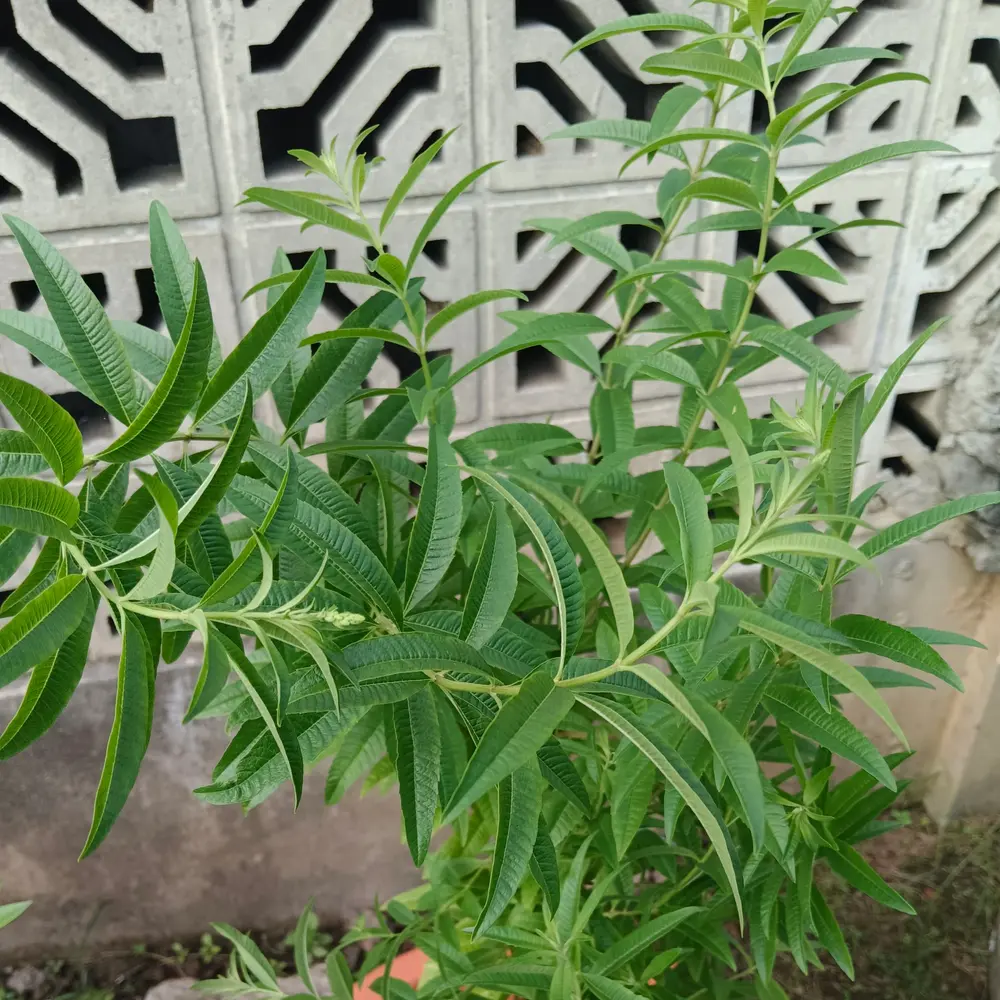
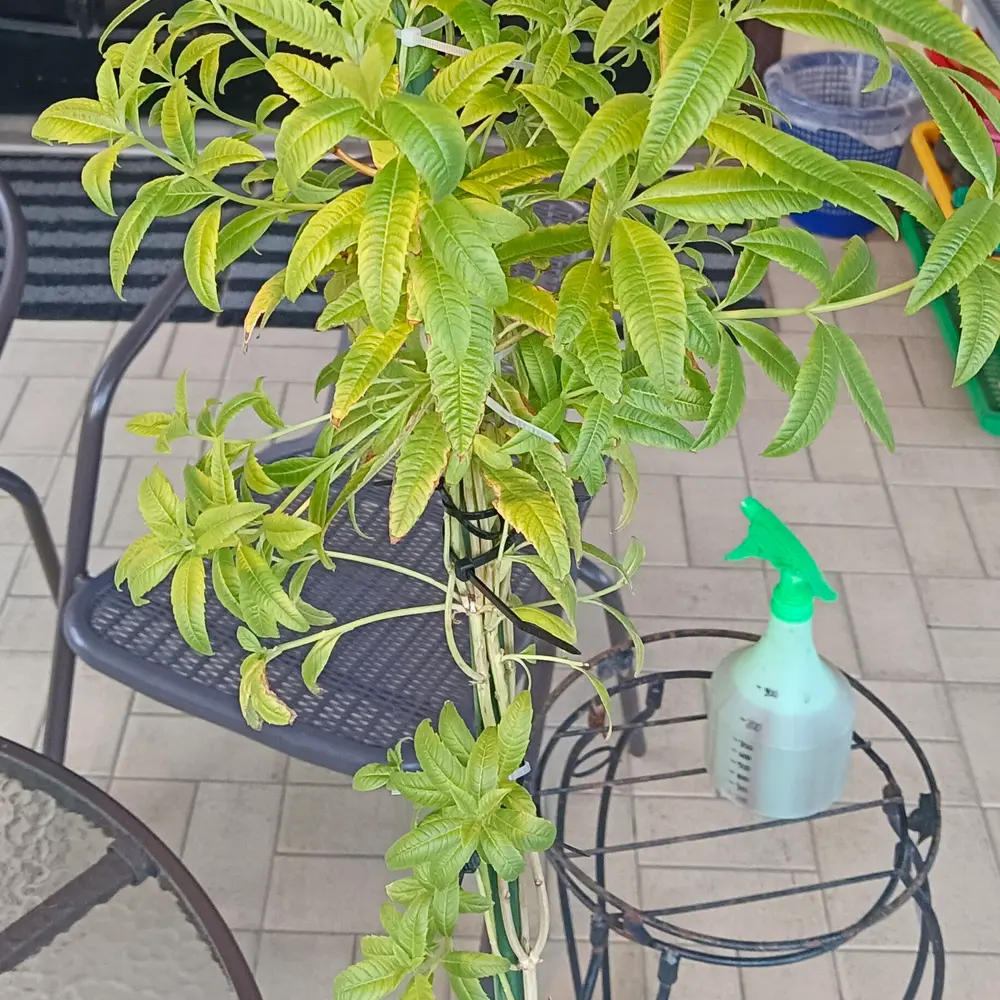
Almond Verbena typically reaches a mature height of 3 to 6 feet and spreads about 3 to 4 feet. This makes it a versatile choice for various garden settings, whether you're looking to fill space or create a lush backdrop.
Factors Influencing Size 📏
The size of Almond Verbena can vary significantly based on several factors.
- Soil Quality: Well-draining, fertile soil promotes optimal growth, while poor soil can stunt development.
- Water Availability: Consistent moisture is key; too much or too little can limit growth.
- Sunlight Exposure: Full sun (6-8 hours daily) encourages maximum height and spread.
Under optimal conditions, you might see your Almond Verbena soaring to 6 feet tall and 4 feet wide. In contrast, suboptimal conditions could result in a more modest size of 3 feet tall and 3 feet wide.
Understanding these factors can help you create the ideal environment for your Almond Verbena, ensuring it thrives and reaches its full potential.
Growth Rate and Time to Full Size
🌱 Growth Rate Characteristics
Almond Verbena is known for its fast growth rate, often reaching full size within just 2 to 3 years. This rapid development is particularly noticeable during the spring, when the plant enters a vigorous growth phase.
In summer, growth continues alongside beautiful flowering, making it a vibrant addition to any garden. As the seasons shift to fall and winter, the plant enters a dormancy period, conserving energy for the next growth cycle.
⏳ Timeline to Full Size
The journey to full size unfolds over three years.
- Year 1: During the establishment phase, expect the plant to reach about 1 to 2 feet tall as it settles into its new environment.
- Year 2: Growth accelerates significantly, with heights of 3 to 4 feet becoming common as the plant gains strength.
- Year 3: Under optimal conditions, Almond Verbena can achieve its potential full size of 3 to 6 feet, showcasing its impressive stature.
Understanding this growth timeline helps you plan your garden layout effectively. With the right care, your Almond Verbena will flourish, adding beauty and fragrance to your outdoor space.
Next, let’s explore how various growing conditions can influence the size of your Almond Verbena.
Size Variability Based on Growing Conditions
🌱 Soil Conditions
Almond verbena thrives in well-draining, fertile soil, which is essential for optimal growth. Conversely, poor soil conditions can stunt growth and significantly reduce the plant's size.
☀️ Sunlight and Water Requirements
To achieve maximum height and spread, almond verbena needs full sun, ideally 6 to 8 hours daily. Insufficient sunlight can result in leggy growth, leading to reduced dimensions.
Watering frequency also plays a crucial role in growth. Consistent moisture fosters healthier, larger plants, while overwatering or underwatering can severely limit their growth potential.
🌡️ Climate Considerations
This plant flourishes in warm climates, as cold temperatures can hinder its growth. Its adaptability to various climates can lead to noticeable size variability, making it a versatile choice for different gardens.
Understanding these factors can help you cultivate a thriving almond verbena that reaches its full potential. Next, let’s explore the different varieties available and how they can fit into your garden design.
Varieties
Dwarf Varieties 🌱
Dwarf Almond Verbena is perfect for those with limited space. With a mature height of just 1 to 2 feet, these compact plants are ideal for smaller gardens or container planting.
Their growth habits are notably bushy, making them a charming addition to any landscape. If you're looking to add a touch of beauty without overwhelming your space, dwarf varieties are a fantastic choice.
Giant Varieties 🌳
On the other end of the spectrum, Giant Almond Verbena can reach impressive heights, often exceeding 6 feet under optimal conditions. These towering plants are perfect for creating a dramatic focal point in larger landscapes.
Their tall and sprawling growth habits require ample space, making them a striking choice for those looking to make a statement. Whether lining a pathway or standing alone, giant varieties will certainly draw attention.
As you consider which variety suits your needs, think about your garden's size and the visual impact you want to achieve. Next, let's explore how to control the size of your Almond Verbena for the best results.
Controlling Size
Pruning Techniques for Size Management 🌿
To keep your Almond Verbena in check, timing is crucial. The best time to prune is late winter or early spring, just before the new growth begins.
Here are some effective techniques:
- Pinching Back Tips: This encourages bushier growth, making your plant fuller and more vibrant.
- Cutting Back One-Third: If you want to control height, trim back about one-third of the plant. This method is moderately challenging but yields great results.
- Removing Dead or Leggy Growth: Regularly snipping away any dead or leggy branches helps maintain a tidy shape and promotes healthy growth.
Other Methods to Control Growth 🌱
Container planting is another smart strategy. By restricting root expansion, you can effectively limit the size of your Almond Verbena.
Additionally, keep an eye on your plant's growth patterns. Regular monitoring allows for timely adjustments, ensuring your plant remains within your desired dimensions.
With these techniques, you can enjoy a beautifully sized Almond Verbena that fits perfectly into your garden or landscape. Up next, let’s explore the fascinating varieties of Almond Verbena!
⚠️ Safety First
This content is for general information and may contain errors, omissions, or outdated details. It is not medical, veterinary advice, or an endorsement of therapeutic claims.
Always consult a qualified healthcare professional before using any plant as food, medicine, or supplement.
Never eat any plant (or feed one to pets) without confirming its identity with at least two trusted sources.
If you suspect poisoning, call Poison Control (800) 222-1222, the Pet Poison Helpline (800) 213-6680, or your local emergency service immediately.
Spotted an error? Please report it here.
Maximize your Almond Verbena's growth potential 🌱 with Greg's tailored care reminders, ensuring it flourishes beautifully while fitting perfectly in your garden!