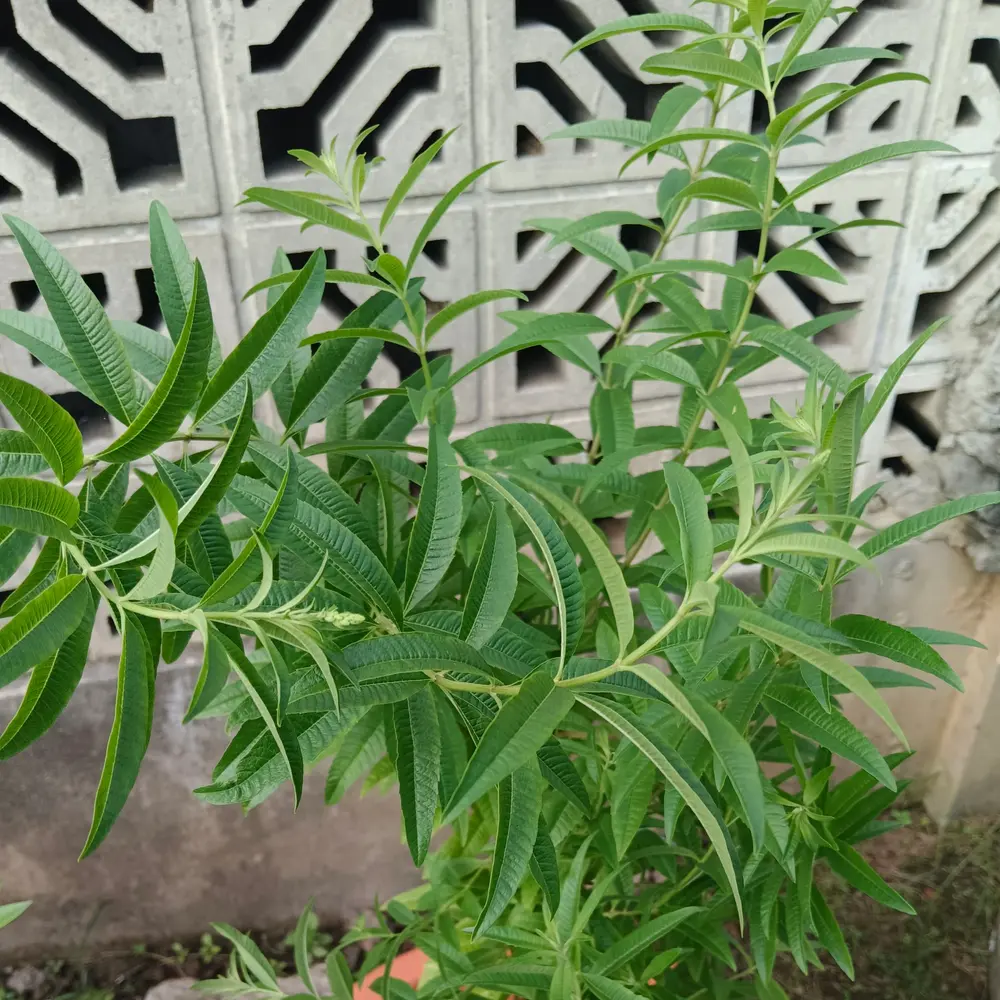
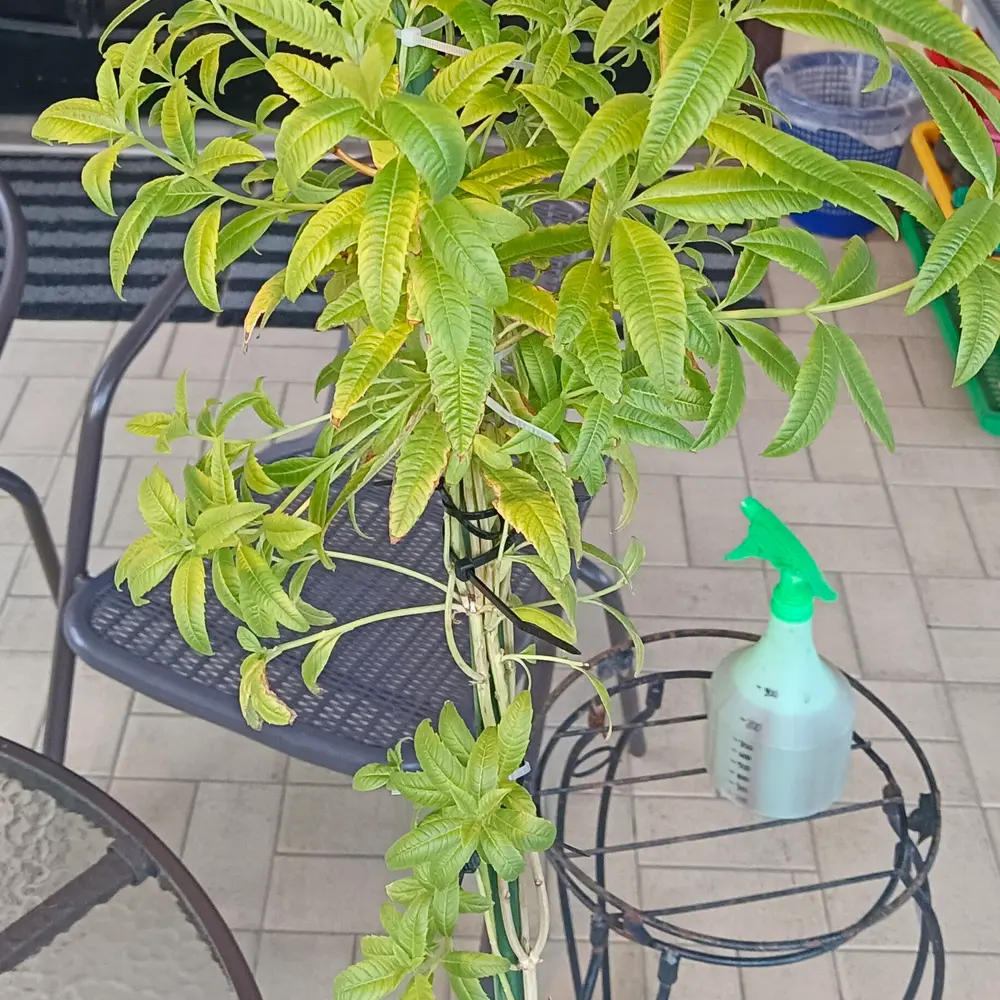
Best Potting Soil Mix for Almond Verbena
Aloysia virgata
By the Greg Editorial Team
Oct 12, 2024•5 min read
This article was created with the help of AI so we can cover more plants for you. May contain errors. See one? Report it here.
Unlock vibrant growth for your almond verbena by mastering essential soil care and amendments! 🌱✨
- 🌱 Healthy soil is vital for almond verbena; watch for mold and compaction.
- 🔍 Optimal pH is 6.0-7.0; test regularly to ensure nutrient availability.
- 🏡 Homemade mixes with peat, compost, and perlite boost growth and save money.
Identifying Unhealthy Soil
🚩 Signs of Unhealthy Soil
Recognizing unhealthy soil is crucial for the health of your almond verbena. One of the first signs to look for is moldy soil. If you see a fuzzy layer on top, it indicates excess moisture and poor air circulation, which can lead to root rot.
Compaction is another red flag. If the soil feels hard and dense, it restricts root growth, making it difficult for plants to absorb water and nutrients.
Lastly, poor drainage can be identified by standing water or a soggy texture. This not only suffocates roots but also creates a breeding ground for pests and diseases.
⚠️ Common Soil Problems
Mold is often caused by overwatering or lack of airflow. To prevent it, ensure your pots have adequate drainage and avoid letting plants sit in water.
Compaction can be identified by the soil's hardness. To remedy this, aerate the soil by gently loosening it with a fork or adding materials like perlite to improve texture.
Nutrient deficiencies can manifest as yellowing leaves or stunted growth. Regularly check for signs like these to ensure your plants are getting the nutrients they need to thrive.
Understanding these signs and problems is the first step toward nurturing healthy almond verbena. With the right knowledge, you can create a thriving environment for your plants.
Next, let’s explore how soil pH and nutrient needs play a vital role in plant health.
Soil pH and Nutrient Needs
Optimal pH Range 🌱
For almond verbena to thrive, aim for a soil pH between 6.0 and 7.0. This range ensures optimal nutrient uptake, allowing your plants to absorb essential elements effectively.
When the pH strays outside this range, nutrient availability can be severely impacted. For instance, overly acidic soil can lock out vital nutrients like phosphorus, stunting growth and vitality.
How to Test Soil pH 🧪
To accurately gauge your soil's pH, consider using reliable soil testing kits. These kits provide precise readings and often come with easy-to-follow instructions.
If you prefer a DIY approach, simple home tests using vinegar and baking soda can offer quick insights. Just remember, while these methods are handy, they may not be as accurate as professional kits.
Once you have your results, interpreting them is crucial. If your soil's pH is too high or too low, you may need to make adjustments, such as adding lime to raise pH or sulfur to lower it.
Understanding your soil's pH is a game-changer for nurturing healthy almond verbena. With the right balance, your plants will flourish, setting the stage for vibrant blooms and lush foliage.
Next, let’s explore how to create a homemade soil mix that meets the specific needs of your almond verbena.
Creating a Homemade Soil Mix
Creating a homemade soil mix for your almond verbena can be both rewarding and straightforward. With the right ingredients and techniques, you can craft a nutrient-rich environment that promotes healthy growth.
📝 Step-by-Step Guide
Gather Ingredients: Start by collecting essential components like peat moss, compost, and perlite. These will form the base of your mix.
Mixing Ratios: Aim for a balanced blend. A good starting point is 40% peat moss, 40% compost, and 20% perlite. This ratio ensures optimal texture and drainage.
Combining Ingredients: Use a large container or wheelbarrow for mixing. Thoroughly combine the ingredients to ensure even distribution, which is crucial for plant health.
🌱 Recommended Ingredients for a Nutrient-Rich Mix
Base Ingredients: Peat moss provides moisture retention, compost adds nutrients, and perlite enhances drainage. Together, they create a well-rounded foundation.
Amendments: Consider adding bone meal or blood meal for an extra nutrient boost. Organic fertilizers can also enhance soil fertility, supporting robust plant growth.
Optional Additives: Coconut coir is a fantastic addition for moisture retention. It helps keep your soil mix hydrated, especially during hot months.
Creating your own soil mix not only saves money but also allows you to tailor it to your almond verbena's specific needs. With the right blend, you’ll set the stage for vibrant, flourishing plants.
As you prepare your soil, remember that maintenance is key. Transitioning to the next topic, let’s explore how to amend your soil for better drainage and nutrients.
Soil Maintenance and Amendments
How to Amend Soil for Better Drainage and Nutrients 🌱
Improving soil drainage is crucial for healthy almond verbena growth. Incorporating sand or perlite can significantly enhance drainage, preventing waterlogged conditions that harm roots.
When it comes to nutrient amendments, timing is everything. Adding fertilizers or organic matter during the growing season ensures your plants receive the nutrients they need when they need them most.
The frequency of amendments should align with the seasons. Regularly assess your soil's health and make adjustments at least once per season to maintain optimal conditions.
Seasonal Soil Care Tips 🌸
Spring is the perfect time for refreshing your potting mix. Check drainage and replace any compacted soil to give your almond verbena a fresh start.
In summer, keep an eye on moisture levels. Monitor nutrient needs closely, as hot weather can deplete soil nutrients faster than you might expect.
As fall approaches, prepare your soil for winter dormancy. Make necessary amendments to ensure your plants are well-equipped to handle the colder months ahead.
With these maintenance tips, your almond verbena will thrive, setting the stage for a vibrant growing season. Next, let’s explore how to create a homemade soil mix that meets all your plant's needs.
⚠️ Safety First
This content is for general information and may contain errors, omissions, or outdated details. It is not medical, veterinary advice, or an endorsement of therapeutic claims.
Always consult a qualified healthcare professional before using any plant as food, medicine, or supplement.
Never eat any plant (or feed one to pets) without confirming its identity with at least two trusted sources.
If you suspect poisoning, call Poison Control (800) 222-1222, the Pet Poison Helpline (800) 213-6680, or your local emergency service immediately.
Spotted an error? Please report it here.
Ensure your almond verbena flourishes with healthy soil 🌱 by using Greg's personalized tips for creating the ideal potting mix and timely reminders for seasonal care!