🌸 Understanding What It Means When Your Almond Verbena Blooms
Aloysia virgata
By the Greg Editorial Team
Oct 12, 2024•4 min read
This article was created with the help of AI so we can cover more plants for you. May contain errors. See one? Report it here.
Transform your garden with stunning Almond Verbena blooms 🌼 by learning essential care tips for thriving plants!
- 🌼 Almond Verbena blooms with small flowers, enhancing garden beauty and attracting pollinators.
- ☀️ Ensure 6-8 hours of sunlight and proper watering for optimal flowering.
- 🌱 Fertilize during the growing season to boost blooming and overall plant health.
Flowering Status
Yes, Almond Verbena does produce flowers! These blooms are typically small and tubular, adding a delicate touch to your garden.
🌱 Reasons for Non-Flowering
If your Almond Verbena isn't flowering, several factors could be at play. Insufficient light, poor soil quality, or improper watering can all hinder the blooming process.
Ensuring your plant gets enough sunlight and is planted in well-draining soil can make a significant difference. Regular watering, without overdoing it, is also crucial for encouraging those lovely blooms.
By addressing these factors, you can help your Almond Verbena thrive and showcase its beautiful flowers.
Next, let’s explore what happens when Almond Verbena does flower!
If Almond Verbena Flowers
🌸 Flower Characteristics
Almond Verbena produces charming flowers that are typically lavender to purple, small, and tubular in shape. Their pleasant fragrance not only delights the senses but also attracts a variety of pollinators, making them a favorite in gardens.
Almond Verbena is primarily self-pollinating, which means it can produce seeds without needing help from other plants. However, it can benefit from external pollinators, enhancing its reproductive success.
🌼 Blooming Process
The blooming process begins with bud formation in late spring, leading to vibrant blooms appearing in summer. Expect about 2-4 weeks from the initial bud formation to full bloom, offering a delightful display.
Once in bloom, the flowers typically last for 2-3 weeks before wilting. This brief lifespan adds to the excitement of witnessing their beauty.
🌱 Encouraging Blooms
To encourage your Almond Verbena to flower, ensure it receives adequate sunlight—aim for 6-8 hours daily. Regular watering is essential, but be cautious not to waterlog the soil.
Fertilizing with a balanced fertilizer during the growing season can also boost flowering. Keep in mind that factors like soil quality, temperature, and humidity levels play a significant role in the plant's blooming success.
🍂 Post-Flowering
After the flowering period, the flowers will wilt and drop, which can lead to potential seed formation. This is a natural part of the plant's life cycle.
Rest assured, Almond Verbena is a perennial plant. It does not die after flowering; instead, it may enter a dormant phase, ready to bloom again in the next growing season.
This resilience makes it a wonderful addition to any garden, providing beauty year after year.
If Almond Verbena Doesn't Flower
🌿 Ornamental Features
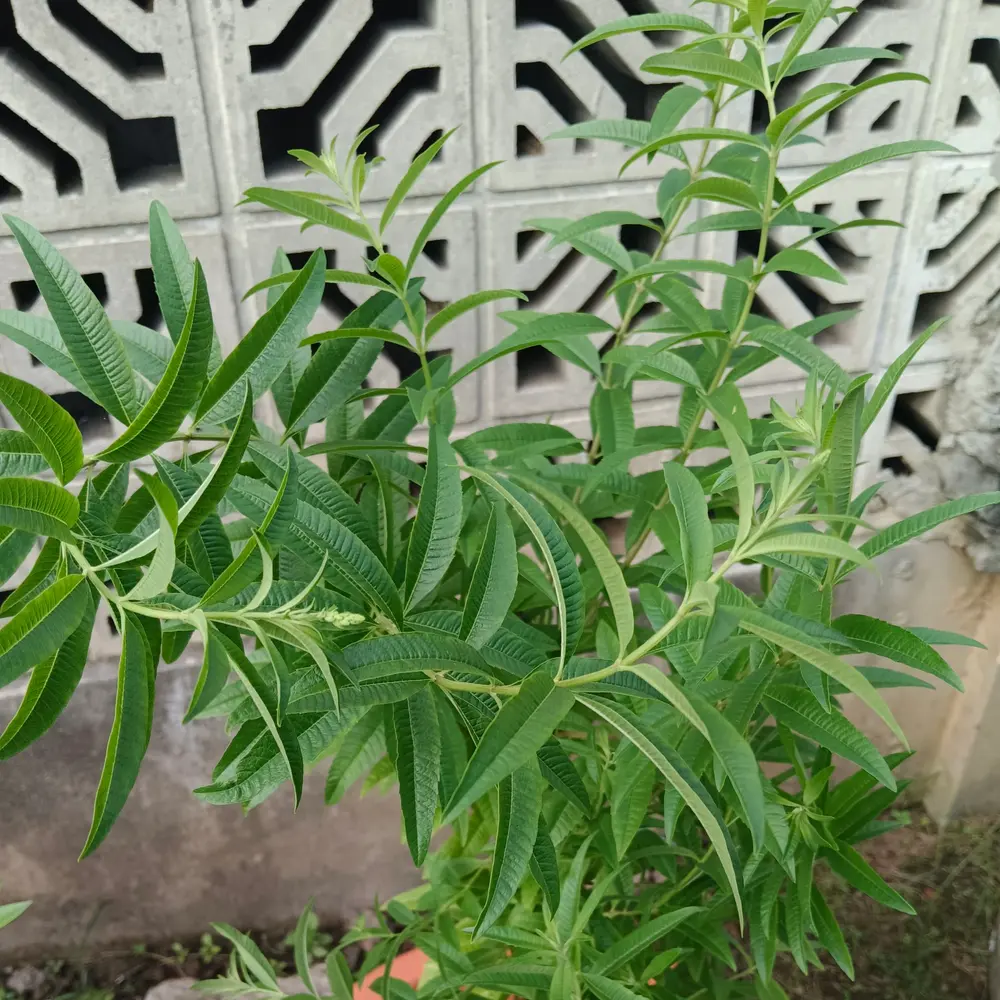
Even when Almond Verbena isn't in bloom, it still shines in the garden. Its lush green leaves are aromatic, making them perfect for herbal remedies and teas.
These leaves not only look good but also attract pollinators, enhancing the biodiversity of your garden. This means that even without flowers, your Almond Verbena contributes to a thriving ecosystem.
🌱 Reproduction
So, how does Almond Verbena keep going without flowers? It primarily reproduces through vegetative propagation.
Cuttings from the plant can easily root and form new plants. This method allows it to thrive even in less-than-ideal conditions, ensuring that your garden remains vibrant and full of life.
In summary, Almond Verbena's ability to flourish without flowers showcases its resilience and adaptability. This makes it a fantastic addition to any garden, whether it's blooming or not.
As we explore further, let’s dive into the unique aspects of this remarkable plant.
Unique Aspects
🌞 Thriving in Warm Climates
Almond Verbena is a champion when it comes to thriving in warm climates. Its resilience allows it to adapt to various soil types, making it a versatile choice for gardeners.
🐝 Pollinator Magnet
One of the most fascinating aspects of Almond Verbena is its ability to attract a wide variety of pollinators. This not only enhances your garden's biodiversity but also plays a crucial role in supporting local ecosystems.
🌼 Varietal Differences
Different varieties of Almond Verbena can exhibit slight differences in flower color and growth habits. These variations can influence their blooming characteristics, adding an extra layer of interest for plant enthusiasts.
🌱 Reproductive Strategy
While Almond Verbena can flower, it also has a unique reproductive strategy. It primarily reproduces through vegetative propagation, allowing cuttings to root and form new plants, ensuring its survival even without flowers.
These unique aspects make Almond Verbena a remarkable addition to any garden. Understanding its characteristics can help you appreciate its role in both your landscape and the broader ecosystem.
Next, we’ll explore what to do if your Almond Verbena doesn’t flower, focusing on its ornamental features and reproduction methods.
⚠️ Safety First
This content is for general information and may contain errors, omissions, or outdated details. It is not medical, veterinary advice, or an endorsement of therapeutic claims.
Always consult a qualified healthcare professional before using any plant as food, medicine, or supplement.
Never eat any plant (or feed one to pets) without confirming its identity with at least two trusted sources.
If you suspect poisoning, call Poison Control (800) 222-1222, the Pet Poison Helpline (800) 213-6680, or your local emergency service immediately.
Spotted an error? Please report it here.
Unlock the beauty of your Almond Verbena's blooms with Greg's tailored care tips for optimal sunlight and watering 🌼, ensuring your garden flourishes with vibrant flowers and aromatic leaves!