Ultimate Guide to What's Eating Your Almond Verbena 🐛
Aloysia virgata
By the Greg Editorial Team
Oct 12, 2024•6 min read
This article was created with the help of AI so we can cover more plants for you. May contain errors. See one? Report it here.
Safeguard your almond verbena from hungry herbivores while inviting pollinators to boost your garden's beauty! 🌿
- 🌼 Almond verbena attracts herbivores like deer, rabbits, and squirrels—protect your plants!
- 🐾 Signs of damage include hoof prints and cut stems; monitor regularly for intervention.
- 🌱 Preventive measures like fencing and companion planting can safeguard your almond verbena.
Description and Appeal
Appearance and Characteristics 🌸
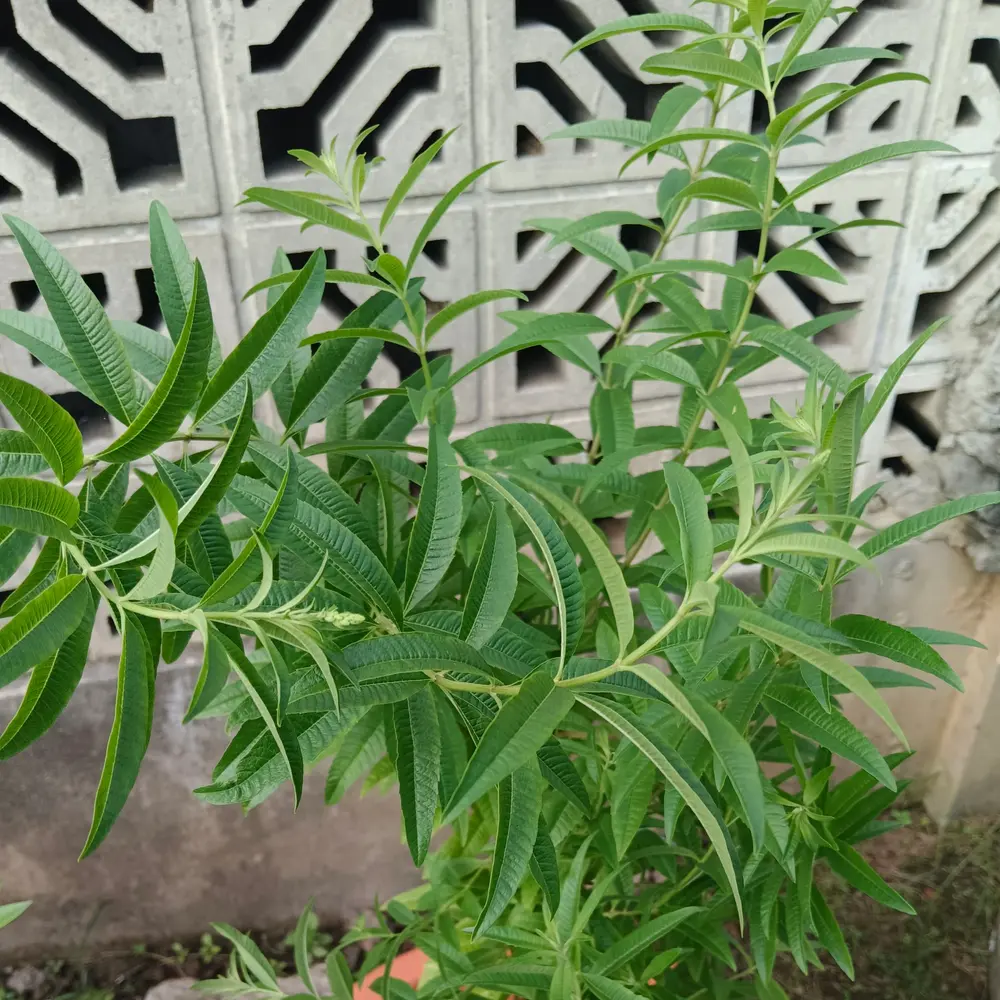
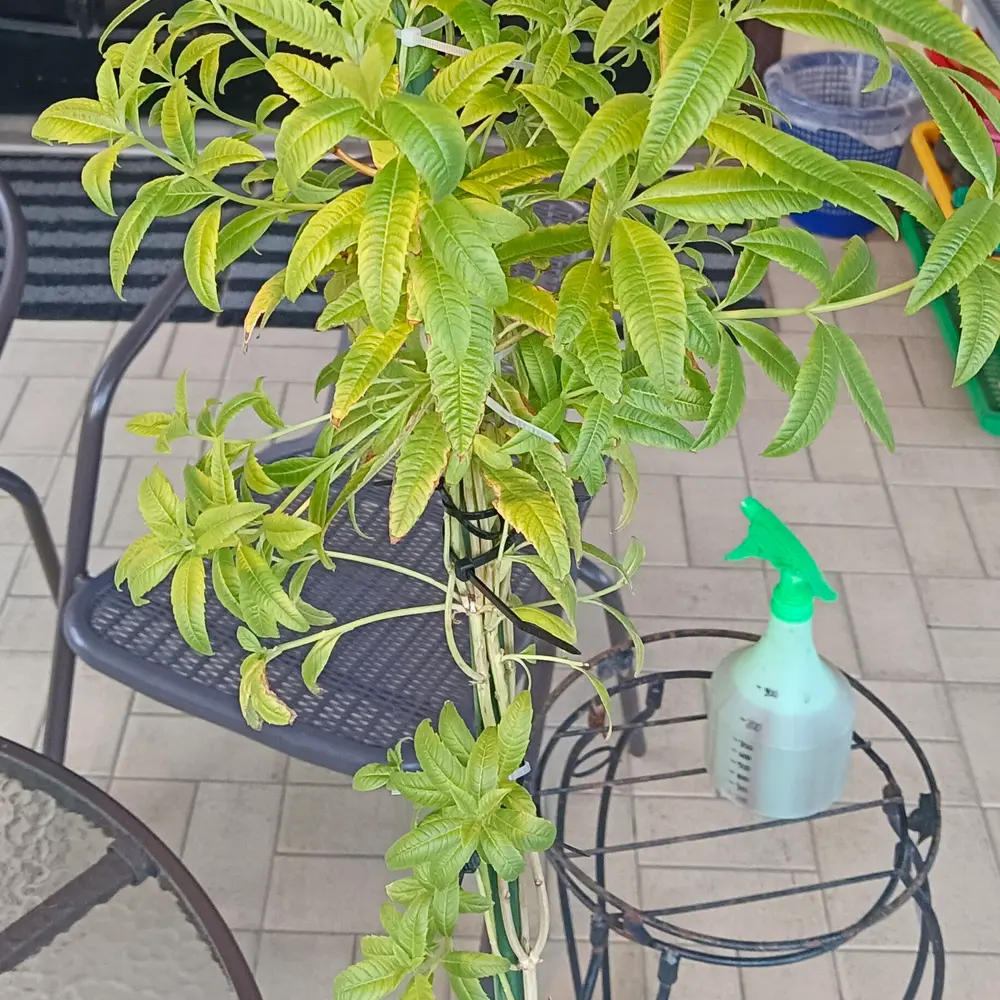
Almond verbena is a stunning perennial shrub that captivates with its fragrant leaves and clusters of small purple flowers. Typically, it grows between 3 to 6 feet tall and spreads about 3 to 4 feet wide, making it a lovely addition to any garden.
The leaves are long and narrow, releasing a delightful citrus scent when crushed. This aromatic quality not only pleases the senses but also attracts various pollinators.
Most Appealing Parts to Animals 🐾
The flowers of almond verbena are sweetly scented and visually striking, drawing in a range of herbivores. Additionally, the young shoots are tender and nutritious, making them particularly appealing to hungry animals.
These characteristics can lead to both admiration and challenges in maintaining the plant's health. Understanding what attracts animals can help you protect your beloved shrub while enjoying its beauty.
Common Herbivores
🦌 Deer
Signs and Damage
Look for browsing marks on leaves and hoof prints nearby. If you notice leaves stripped from the plant, it’s a clear sign of deer activity, which can lead to stunted growth.
Interaction
Deer are generally harmful to almond verbena, especially young plants, as they can decimate them quickly.
Deterrent Methods
To keep deer at bay, consider using commercial deer repellents. Alternatively, planting strong-smelling herbs nearby can act as a natural deterrent.
🐇 Rabbits
Signs and Damage
Rabbits leave behind cleanly cut stems and droppings. Their presence can lead to significant leaf loss, impacting the overall health of your almond verbena.
Interaction
Rabbits are also generally harmful, as their feeding habits can severely affect plant vitality.
Deterrent Methods
Using rabbit repellents containing capsaicin can help. Additionally, erecting a fence that is 2-3 feet high can provide a physical barrier.
🐿️ Squirrels
Signs and Damage
Chewed leaves and debris around the plant are telltale signs of squirrel activity. They often gnaw on stems and flowers, disrupting the plant's flowering process.
Interaction
Squirrels are generally harmful, as their feeding habits can significantly disrupt flowering.
Deterrent Methods
Commercial squirrel repellents can be effective. You might also try scare tactics or planting deterrent plants to keep them away.
🐦 Birds
Signs and Damage
Look for peck marks on flowers as evidence of bird activity. While some birds help with pollination, others may consume flowers, leading to mixed effects.
Interaction
Birds have a mixed impact; they can aid in pollination but may also consume flowers.
Deterrent Methods
Bird netting can be an effective chemical deterrent. Alternatively, installing bird feeders can attract beneficial birds while keeping harmful ones at bay.
🐭 Rodents
Signs and Damage
Tunnels and gnawed stems are clear indicators of rodent activity. These pests can cause root damage and stem girdling, leading to significant harm.
Interaction
Rodents are generally harmful and can inflict considerable damage on your plants.
Deterrent Methods
Consider using rodent bait stations as a chemical deterrent. Trapping and introducing natural predators can also help manage their population.
🦡 Groundhogs
Signs and Damage
Groundhogs leave behind burrows and chewed foliage. Their feeding can lead to extensive damage, often resulting in total loss of the plant.
Interaction
Groundhogs are generally harmful and can devastate garden areas if not managed.
Deterrent Methods
Commercial repellents can deter groundhogs effectively. Additionally, fencing that is 3-4 feet high can provide a solid barrier against these persistent pests.
Understanding these common herbivores and their interactions with almond verbena is crucial for maintaining a healthy garden. Next, we'll explore the beneficial animals that can positively impact your plants.
Beneficial Animals
Positive Impacts 🐝
Almond verbena isn't just a feast for herbivores; it also attracts beneficial animals. Pollinators like bees and butterflies play a crucial role in aiding the plant's reproduction.
These creatures help ensure that your almond verbena thrives, contributing to a vibrant garden ecosystem. Additionally, predatory insects naturally manage harmful pests, keeping your plants healthier.
Role of Pollinators 🦋
Pollinators are vital for enhancing fruit and seed production. Their activity directly influences the abundance of flowers and the overall health of your garden.
Moreover, they contribute to biodiversity, which is essential for a balanced ecosystem. By encouraging these beneficial animals, you create a thriving environment that supports various plant and animal life.
Understanding the positive roles these creatures play can inspire you to cultivate a garden that not only looks good but also supports nature. This balance is key to a flourishing garden and a healthy ecosystem.
Next, let’s explore effective protection strategies to safeguard your almond verbena from potential threats.
Protection Strategies
🛡️ Preventive Measures
Fencing is one of the most effective ways to deter larger herbivores from munching on your almond verbena. A sturdy barrier can keep deer and groundhogs at bay, allowing your plants to thrive.
Companion planting is another smart strategy. By surrounding your almond verbena with plants that have strong scents, you can naturally repel herbivores. This not only protects your plants but also enhances the garden's overall aesthetic.
⚠️ Reactive Solutions
Regular monitoring is crucial for catching signs of herbivore activity early. Look for telltale signs like chewed leaves or droppings to address issues before they escalate.
When you spot damage, immediate action is key. Implement deterrents promptly to minimize further harm to your plants. Quick responses can make a significant difference in preserving your garden's health.
🌱 Balancing Ecosystem Health
Understanding the interactions between harmful and beneficial animals is vital. Recognizing which creatures help pollinate your plants versus those that cause damage can guide your protection strategies.
Promoting biodiversity is equally important. Encouraging a variety of species in your garden not only enhances its beauty but also creates a balanced ecosystem. This balance can lead to healthier plants and a more vibrant garden overall.
By implementing these protection strategies, you can safeguard your almond verbena while fostering a thriving environment. Next, let’s explore seasonal considerations that can impact your garden's health.
Seasonal Considerations
🌱 Variations in Attraction
As the seasons change, so does the activity around your almond verbena. In spring, expect a surge in herbivore activity, as many animals emerge from winter seeking tender young shoots.
By summer, the landscape transforms. The almond verbena bursts into bloom, attracting a variety of pollinators eager to feast on its fragrant flowers.
⏰ Timing of Vulnerability
Understanding when your plant is most vulnerable is crucial. The young shoots in spring are particularly appealing to herbivores, making them a prime target.
During the flowering stages in summer, while pollinators are busy, keep an eye out for any unwanted visitors that might disrupt this delicate balance.
Being aware of these seasonal shifts can help you protect your almond verbena effectively. With the right strategies, you can enjoy the beauty of your plants while minimizing damage from herbivores.
Toxicity and Safety
Toxic Effects 🌿
Almond verbena has mild toxicity, which can deter some herbivores from munching on its leaves. Fortunately, this toxicity is generally not harmful in small quantities, making it a relatively safe choice for gardens.
Safety Considerations ⚠️
When handling almond verbena, it's wise to be aware of its potential mild toxicity. Educating visitors about the plant's characteristics can help ensure everyone enjoys its beauty without any surprises.
By understanding these safety aspects, you can appreciate almond verbena while keeping your garden thriving. Next, let’s explore effective protection strategies to safeguard your plants from herbivores.
⚠️ Safety First
This content is for general information and may contain errors, omissions, or outdated details. It is not medical, veterinary advice, or an endorsement of therapeutic claims.
Always consult a qualified healthcare professional before using any plant as food, medicine, or supplement.
Never eat any plant (or feed one to pets) without confirming its identity with at least two trusted sources.
If you suspect poisoning, call Poison Control (800) 222-1222, the Pet Poison Helpline (800) 213-6680, or your local emergency service immediately.
Spotted an error? Please report it here.
Keep your almond verbena thriving 🌱 by using Greg's tailored care tips and monitoring to fend off those pesky herbivores!