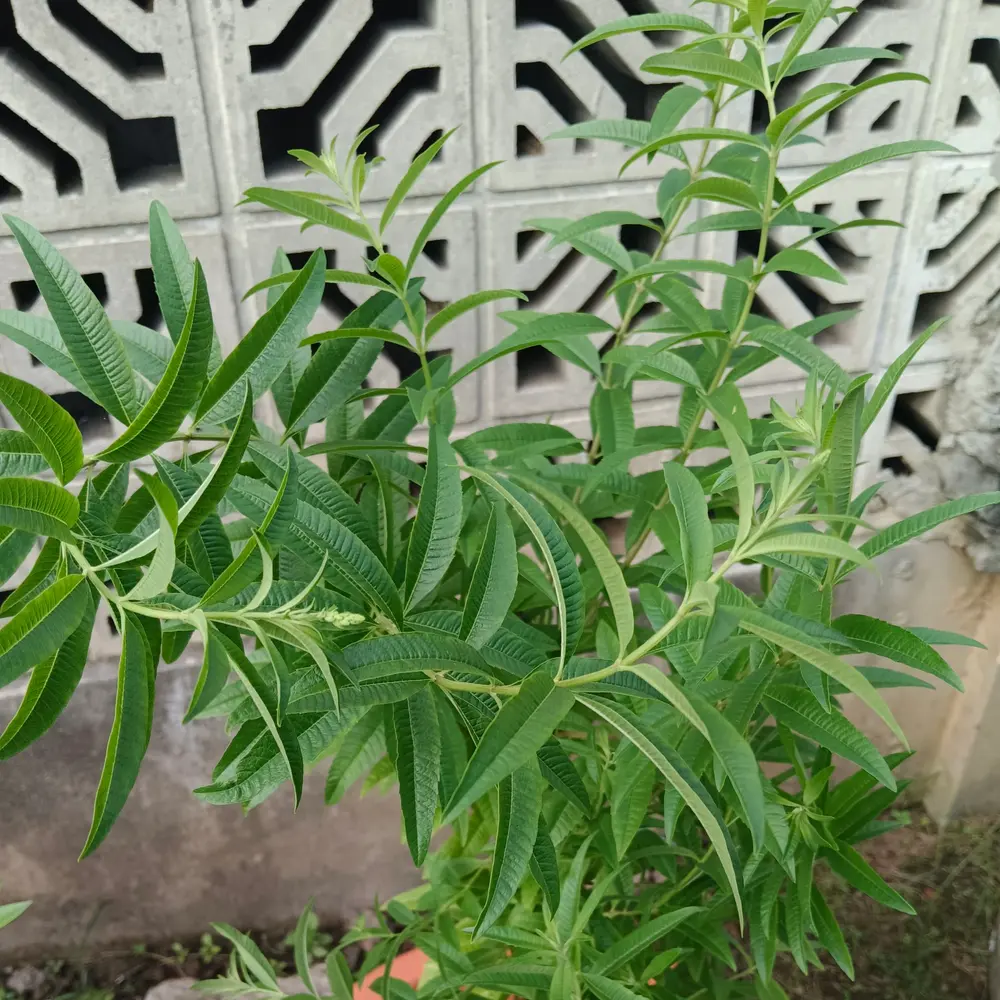
What to Do About Leaves Falling Over on Your Almond Verbena 🌰
Aloysia virgata
By the Greg Editorial Team
Oct 12, 2024•6 min read
This article was created with the help of AI so we can cover more plants for you. May contain errors. See one? Report it here.
Revive your almond verbena's health 🌱 by mastering essential care tips to prevent leaf drop and promote lush growth!
- 💧 Overwatering and underwatering cause leaf issues; establish a consistent watering schedule.
- 🌞 Almond verbena needs 6-8 hours of sunlight daily for optimal growth and health.
- 🐛 Regular pest inspections are crucial; use neem oil for effective organic control.
Causes of Leaves Falling Over
💧 Overwatering and Its Effects
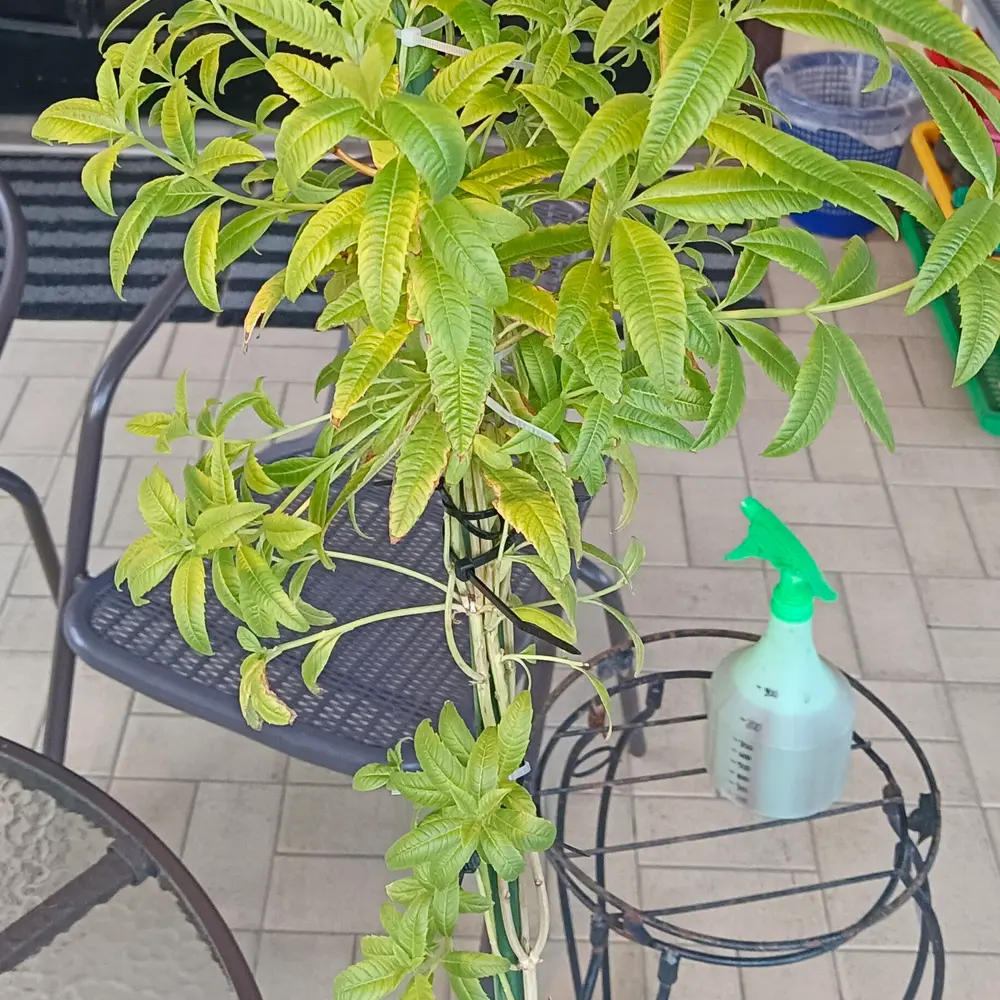
Overwatering can lead to significant issues for your almond verbena. Symptoms include wilting leaves even when the soil is wet, yellowing leaves, and eventual leaf drop.
The impact on root health is severe. Prolonged moisture can cause root rot, which hinders nutrient uptake and ultimately affects the plant's overall vitality.
🚰 Underwatering and Its Effects
On the flip side, underwatering presents its own set of problems. You might notice dry, crispy leaves and leaves falling over due to insufficient moisture.
The consequences of underwatering can be dire. It often results in stunted growth and makes the plant more susceptible to pests.
🥦 Nutrient Deficiencies
Nutrient deficiencies can also cause leaves to fall over. Common issues include nitrogen deficiency, which leads to yellowing leaves and poor growth, and potassium deficiency, characterized by leaf curling and browning edges.
Balanced fertilization is crucial for maintaining healthy foliage. Ensuring your almond verbena receives the right nutrients can prevent these deficiencies.
🐜 Pest Infestations
🐞 Aphids
Pest infestations, particularly from aphids, can wreak havoc on your plant. Signs of an aphid infestation include a sticky residue on leaves and distorted leaf growth.
🕷️ Spider Mites
Spider mites are another common pest. Symptoms include fine webbing on leaves and yellow speckling, which can indicate a serious problem.
🌡️ Environmental Stress
Environmental stressors can also contribute to leaves falling over. Temperature fluctuations, especially sensitivity to cold, can lead to frost damage and subsequent leaf drop.
Additionally, low humidity levels can cause wilting and leaf drop. Maintaining optimal humidity is essential for the health of your almond verbena.
Understanding these causes is the first step in addressing the issue of leaves falling over. Next, we’ll explore how to diagnose these problems effectively.
Diagnosing the Problem
🌊 Signs of Overwatering vs. Underwatering
Identifying whether your almond verbena is overwatered or underwatered is crucial for its health.
Overwatering typically presents as consistently soggy soil and yellowing leaves. If your plant is drooping despite wet soil, it’s a clear sign of trouble.
Underwatering, on the other hand, shows up as dry soil that feels parched to the touch and wilting leaves. If your leaves are crispy and falling over, it’s time to reassess your watering habits.
🐛 Identifying Pests and Their Impact
Pests can wreak havoc on your almond verbena, so regular inspections are key.
Start by checking the undersides of leaves, where pests often hide.
For smaller infestations, using a magnifying glass can help you spot those sneaky critters before they cause significant damage.
🥦 Recognizing Nutrient Deficiency Symptoms
Nutrient deficiencies can lead to visible changes in your plant's foliage.
Nitrogen deficiency often manifests as yellowing leaves, indicating your plant isn’t getting enough of this essential nutrient.
Potassium deficiency can be recognized by browning edges on leaves, signaling that your almond verbena needs a nutrient boost.
🌤️ Environmental Factors Affecting Leaf Health
Environmental conditions play a significant role in your plant's well-being.
First, assess light exposure; almond verbena thrives in full sun, requiring 6-8 hours of direct sunlight daily.
Next, keep an eye on temperature and humidity levels, as fluctuations can stress your plant and lead to leaf drop.
By diagnosing these issues early, you can take proactive steps to restore your almond verbena's health. Next, let’s explore effective solutions and treatments to address these problems.
Solutions and Treatments
🌊 Adjusting Watering Practices
Establish a consistent watering schedule: Water your almond verbena when the top inch of soil feels dry. This simple routine helps prevent both overwatering and underwatering, ensuring your plant stays healthy.
Use the finger test: Insert your finger into the soil to check moisture levels. If it feels dry, it's time to water; if it's still damp, hold off for a bit.
🕳️ Improving Soil Drainage
Recommended soil types: Opt for a well-draining potting mix that includes perlite or sand. This combination promotes healthy root growth and prevents waterlogging.
Techniques for improving drainage: Enhance your soil by adding organic matter, like compost. This not only improves drainage but also enriches the soil with nutrients.
🌱 Fertilization Techniques for Healthy Growth
Types of fertilizers: Use balanced NPK fertilizers, such as a 10-10-10 mix, during the growing season. This ensures your almond verbena receives the essential nutrients it needs.
Application frequency: Fertilize every 4-6 weeks while the plant is actively growing. Regular feeding supports robust foliage and overall health.
🐞 Pest Control Methods
Organic Options
Neem oil application: Mix neem oil with water according to package instructions and spray it on affected areas. This natural remedy effectively deters pests without harming your plant.
Insecticidal soap for soft-bodied pests: Apply insecticidal soap directly to infested leaves. It suffocates pests like aphids and spider mites, providing a quick solution.
Chemical Options
- When to consider chemical treatments: If you face severe infestations that threaten your plant's health, chemical treatments may be necessary. Use them as a last resort, following all safety guidelines.
🌤️ Environmental Adjustments
Light management: Ensure your almond verbena receives full sun, ideally 6-8 hours daily. If it's not getting enough light, consider moving it to a sunnier spot.
Humidity control: Maintain optimal humidity levels by using humidifiers or pebble trays filled with water. This helps prevent wilting and promotes lush growth.
By implementing these solutions and treatments, you can effectively address the issues causing leaves to fall over on your almond verbena. With a little care and attention, your plant will thrive and reward you with vibrant foliage.
Next, let’s explore preventative measures to keep your almond verbena healthy in the long run.
Preventative Measures
🌊 Best Practices for Watering Almond Verbena
Watering your Almond Verbena correctly is crucial for its health. Use deep watering techniques to ensure moisture reaches the roots, promoting robust growth.
🌱 Soil Selection and Amendments
Choosing the right soil is essential. Incorporate compost and perlite to enhance drainage, creating an ideal environment for your plant.
🐛 Regular Monitoring for Pests
Stay vigilant! Conduct weekly checks during the growing season to catch any pest issues early, ensuring your plant remains healthy and vibrant.
✂️ Pruning Techniques to Promote Healthy Growth
Pruning is key to maintaining your Almond Verbena's shape and health. Aim to prune in late winter or early spring, before new growth begins, to encourage a fuller plant.
Use sharp tools to shape the plant and remove any dead wood. This not only improves aesthetics but also promotes better air circulation and light penetration.
By following these preventative measures, you can help your Almond Verbena thrive and enjoy its lush foliage for years to come. Next, let’s explore effective solutions and treatments for common issues that may arise.
⚠️ Safety First
This content is for general information and may contain errors, omissions, or outdated details. It is not medical, veterinary advice, or an endorsement of therapeutic claims.
Always consult a qualified healthcare professional before using any plant as food, medicine, or supplement.
Never eat any plant (or feed one to pets) without confirming its identity with at least two trusted sources.
If you suspect poisoning, call Poison Control (800) 222-1222, the Pet Poison Helpline (800) 213-6680, or your local emergency service immediately.
Spotted an error? Please report it here.
Keep your almond verbena thriving 🌿 by using Greg's tailored watering reminders and pest alerts to ensure vibrant foliage and prevent leaf drop!