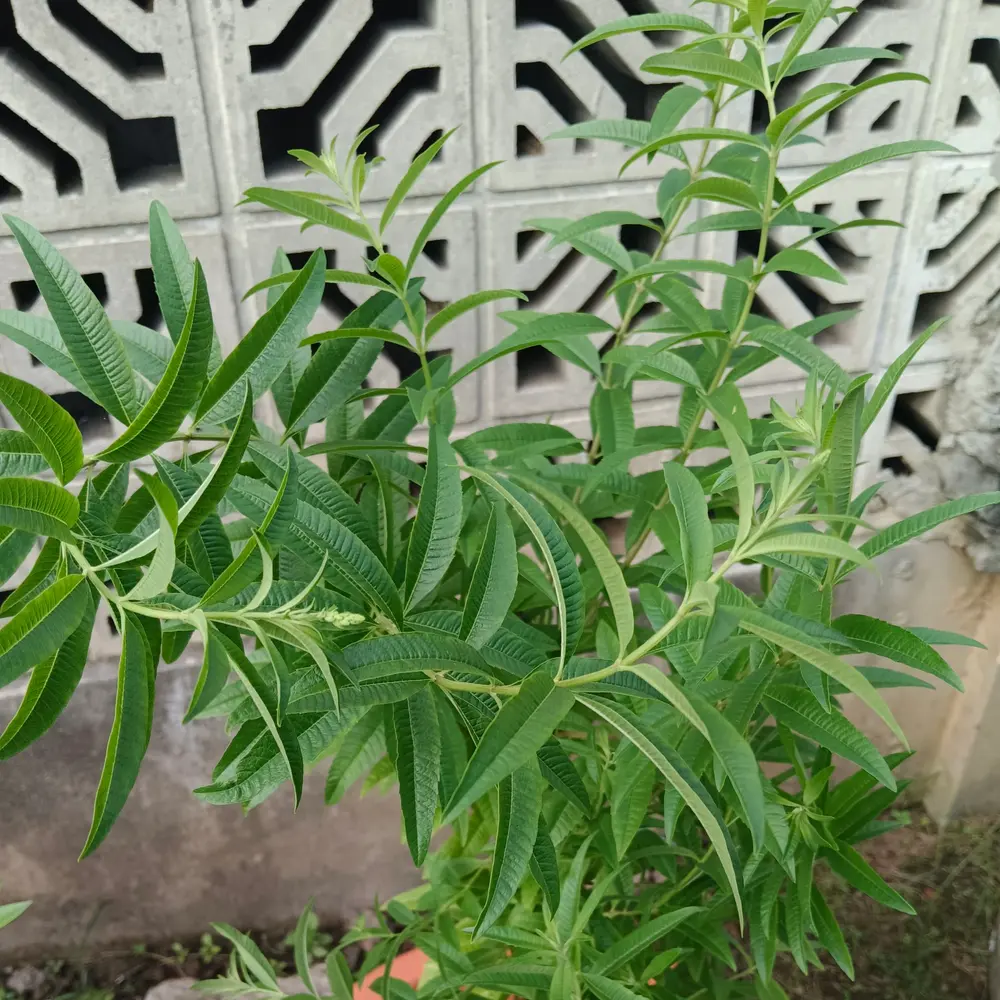
What to Do About Dropping Leaves on Your Almond Verbena 🌰
Aloysia virgata
By the Greg Editorial Team
Oct 12, 2024•6 min read
This article was created with the help of AI so we can cover more plants for you. May contain errors. See one? Report it here.
Stop leaf drop in your Almond Verbena 🌿 with these expert care tips for thriving, vibrant plants!
- 💧 Overwatering and underwatering both cause leaf drop; balance moisture for healthy growth.
- 🌱 Nutrient deficiencies in nitrogen and potassium lead to poor growth and dropping leaves.
- 🐛 Pests like aphids and spider mites can damage leaves; monitor and manage regularly.
Causes of Leaf Drop
💧 Overwatering and Its Effects
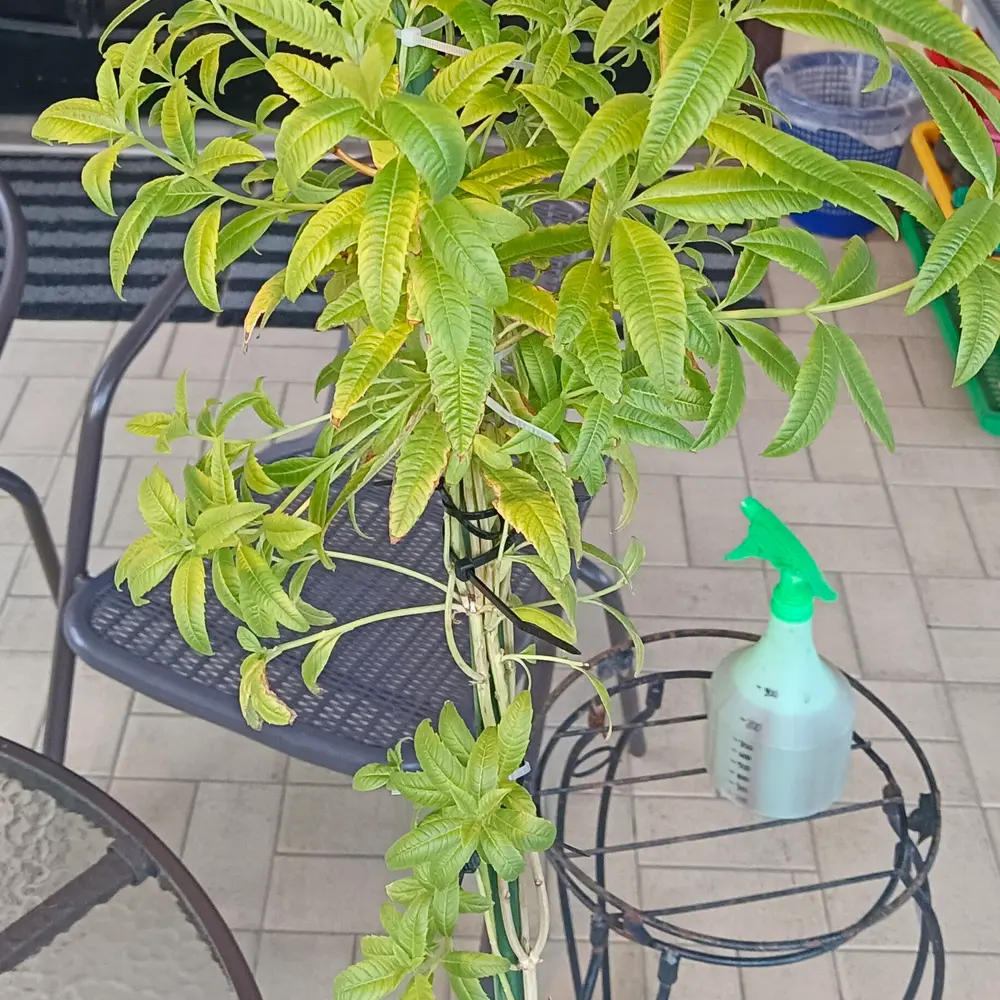
Overwatering is a common culprit behind leaf drop in Almond Verbena. Symptoms include yellowing leaves, wilting even when the soil feels moist, and the dreaded root rot.
Soil drainage plays a crucial role in plant health. The ideal soil type is well-draining sandy loam, while signs of poor drainage include water pooling and soggy soil.
🚰 Underwatering and Its Symptoms
Underwatering can also lead to leaf drop. Look for crispy, brown leaf edges, dropping leaves—especially the lower ones—and stunted growth.
To combat underwatering, adopt these watering practices: check the top inch of soil for dryness before watering and ensure deep watering to encourage robust root growth.
🐛 Pest Infestations
Pests can wreak havoc on your Almond Verbena. Common offenders include aphids, which cause curled leaves and sticky residue, and spider mites, identifiable by fine webbing and stippled leaves.
For pest control, consider organic methods like neem oil or insecticidal soap. Regular monitoring and early intervention are key to keeping these pests at bay.
🥦 Nutrient Deficiencies
Nutrient deficiencies can also lead to leaf drop. A lack of nitrogen results in pale leaves and poor growth, while potassium deficiency manifests as leaf drop and browning edges.
To address these deficiencies, use balanced NPK fertilizers. Apply them every 4-6 weeks during the growing season for optimal results.
🌪️ Environmental Stress
Environmental factors can significantly impact your plant's health. Temperature fluctuations should be kept within the ideal range of 60°F to 80°F (15°C to 27°C), and Almond Verbena prefers moderate to high humidity.
Be mindful of seasonal leaf drop, as understanding natural dormancy periods can help you anticipate and mitigate stress on your plant.
With these insights into the causes of leaf drop, you can take proactive steps to ensure your Almond Verbena thrives. Next, let's explore effective solutions to address these issues.
Solutions for Leaf Drop
Adjusting Watering Practices 🌊
Proper watering is crucial for your Almond Verbena's health. Follow these simple steps:
- Check Soil Moisture: Use your finger to test the top inch of soil.
- Water Deeply: If the soil feels dry, give it a good soak.
- Avoid Standing Water: Ensure your plant isn’t sitting in water to prevent root rot.
This process is easy and can significantly improve your plant's vitality.
Improving Soil Drainage 💧
Good drainage is essential for preventing leaf drop. Here are some techniques to enhance it:
- Amend Soil: Mix in perlite or sand to improve aeration.
- Use Proper Pots: Ensure your pots have drainage holes to allow excess water to escape.
These adjustments can help maintain optimal moisture levels.
Fertilization Techniques for Healthy Growth 🌱
Fertilization supports robust growth and prevents nutrient deficiencies. Stick to this schedule:
- Early Spring: Apply a balanced fertilizer to kickstart growth.
- Mid-Summer: Reapply to sustain your plant through the growing season.
Regular feeding can make a noticeable difference in your Almond Verbena's health.
Pest Management Strategies 🐞
Pests can be a significant cause of leaf drop. Implement an Integrated Pest Management (IPM) approach:
- Regular Inspections: Check your plant frequently for early signs of pests.
- Beneficial Insects: Introduce ladybugs to help control aphid populations naturally.
Staying proactive can save your plant from severe infestations.
Environmental Adjustments 🌞
Optimizing your Almond Verbena's environment is key to its success. Here are some tips:
- Sunlight Requirements: Ensure your plant gets full sun for 6-8 hours daily.
- Seasonal Adjustments: Move your plant as needed to adapt to changing sunlight patterns.
Creating the right environment will help your plant thrive.
By implementing these solutions, you can effectively address leaf drop and promote a healthier Almond Verbena. Next, let’s explore preventative measures to keep your plant in top shape year-round.
Preventative Measures
Regular Monitoring of Plant Health 🌱
Routine checks are crucial for catching early signs of stress in your Almond Verbena. Look for changes in leaf color or texture, as these can indicate underlying issues.
Keeping a plant care journal can be a game-changer. Documenting your observations helps track changes over time and informs your care routine.
Seasonal Care Tips 🌦️
Adjusting your care practices with the seasons is essential for plant health. In winter, reduce watering and protect your plant from frost to prevent stress.
During the summer months, increase watering frequency to combat heat. Your Almond Verbena will thrive with consistent moisture during its active growth period.
Proper Pruning Techniques ✂️
Pruning is vital for maintaining a healthy plant. Aim to prune in early spring, just before new growth begins, to encourage robust development.
Focus on removing dead or crowded branches. This not only improves air circulation but also allows your plant to direct energy toward new growth.
Choosing the Right Location 📍
Selecting the right location for your Almond Verbena can make all the difference. Ensure it receives full sun for at least 6-8 hours daily to promote healthy growth.
Additionally, protect your plant from harsh winds and extreme temperatures. A sheltered spot can help mitigate environmental stress and enhance overall vitality.
By implementing these preventative measures, you can foster a thriving Almond Verbena that resists leaf drop and flourishes year-round. Next, let’s explore how to diagnose leaf drop effectively.
Diagnosing Leaf Drop
👀 Signs to Look for Before Leaf Drop Occurs
Detecting early signs of stress in your Almond Verbena can save it from significant leaf drop. Look out for leaf discoloration, which often indicates underlying issues, and stunted growth patterns that suggest the plant isn't thriving.
🩺 How to Assess Plant Health
To effectively diagnose plant issues, utilize specific tools. A soil moisture meter can help you determine when to water, while a pH test kit ensures your soil is balanced for optimal growth.
By staying vigilant and using these tools, you can catch problems early and keep your Almond Verbena healthy. Next, let’s explore some common misconceptions about leaf drop that might surprise you.
Common Misconceptions
🌿 Myths About Leaf Drop
Many people believe that leaf drop in Almond Verbena is solely a seasonal issue. While it’s true that some plants naturally shed leaves during certain times of the year, this isn’t the only reason for leaf drop.
In reality, leaf drop can be triggered by a variety of stress factors. Overwatering, underwatering, pest infestations, nutrient deficiencies, and environmental stress all play significant roles in this phenomenon. Understanding these factors can help you better care for your plant and prevent unnecessary leaf loss.
🔍 Understanding Leaf Drop Triggers
It's essential to recognize that leaf drop isn't just a seasonal quirk. If your Almond Verbena is dropping leaves, it could be signaling a need for immediate attention.
By addressing the underlying causes—like adjusting watering practices or improving soil drainage—you can help your plant thrive. This proactive approach not only enhances the health of your Almond Verbena but also enriches your gardening experience.
As you delve deeper into plant care, keep these misconceptions in mind. They can guide you toward more effective strategies for maintaining a vibrant, healthy plant.
Next, let’s explore how to diagnose leaf drop effectively.
⚠️ Safety First
This content is for general information and may contain errors, omissions, or outdated details. It is not medical, veterinary advice, or an endorsement of therapeutic claims.
Always consult a qualified healthcare professional before using any plant as food, medicine, or supplement.
Never eat any plant (or feed one to pets) without confirming its identity with at least two trusted sources.
If you suspect poisoning, call Poison Control (800) 222-1222, the Pet Poison Helpline (800) 213-6680, or your local emergency service immediately.
Spotted an error? Please report it here.
Keep your Almond Verbena thriving 🌿 by using Greg's tailored reminders and expert tips to master watering, pest control, and nutrient care for vibrant growth!