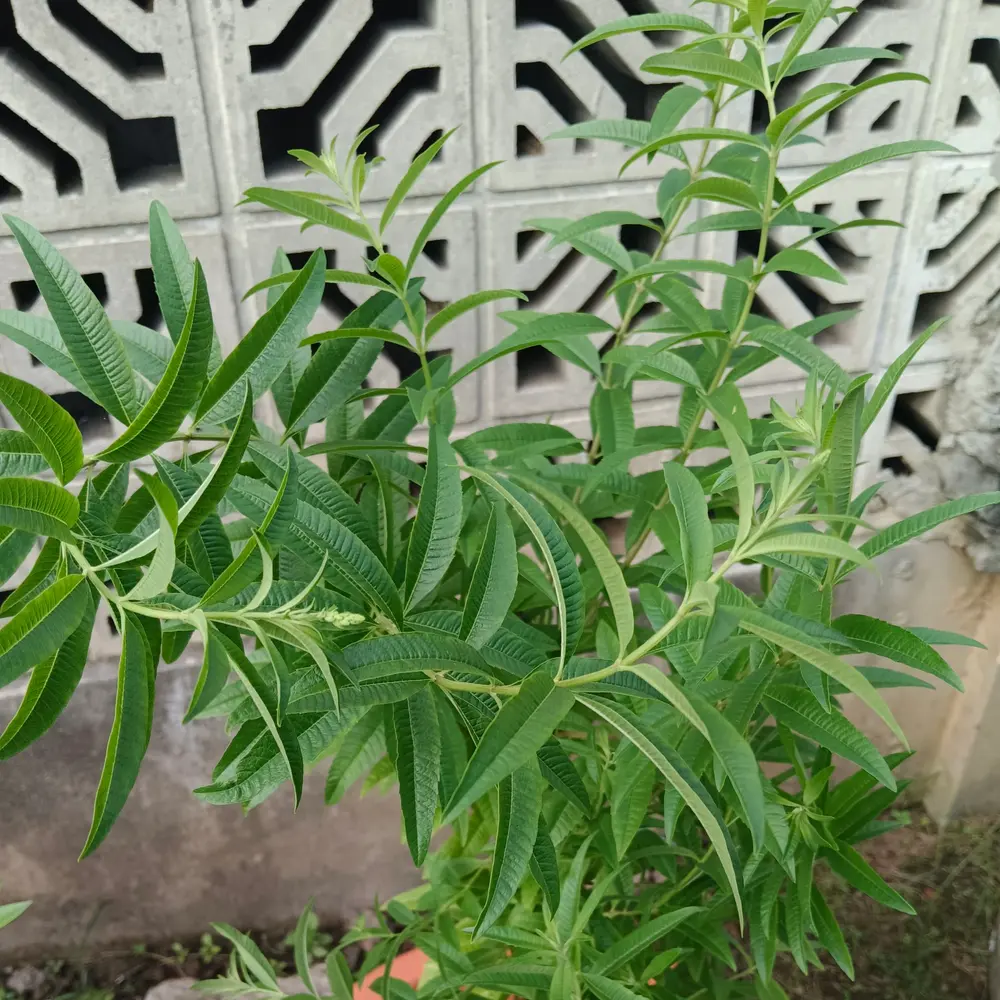
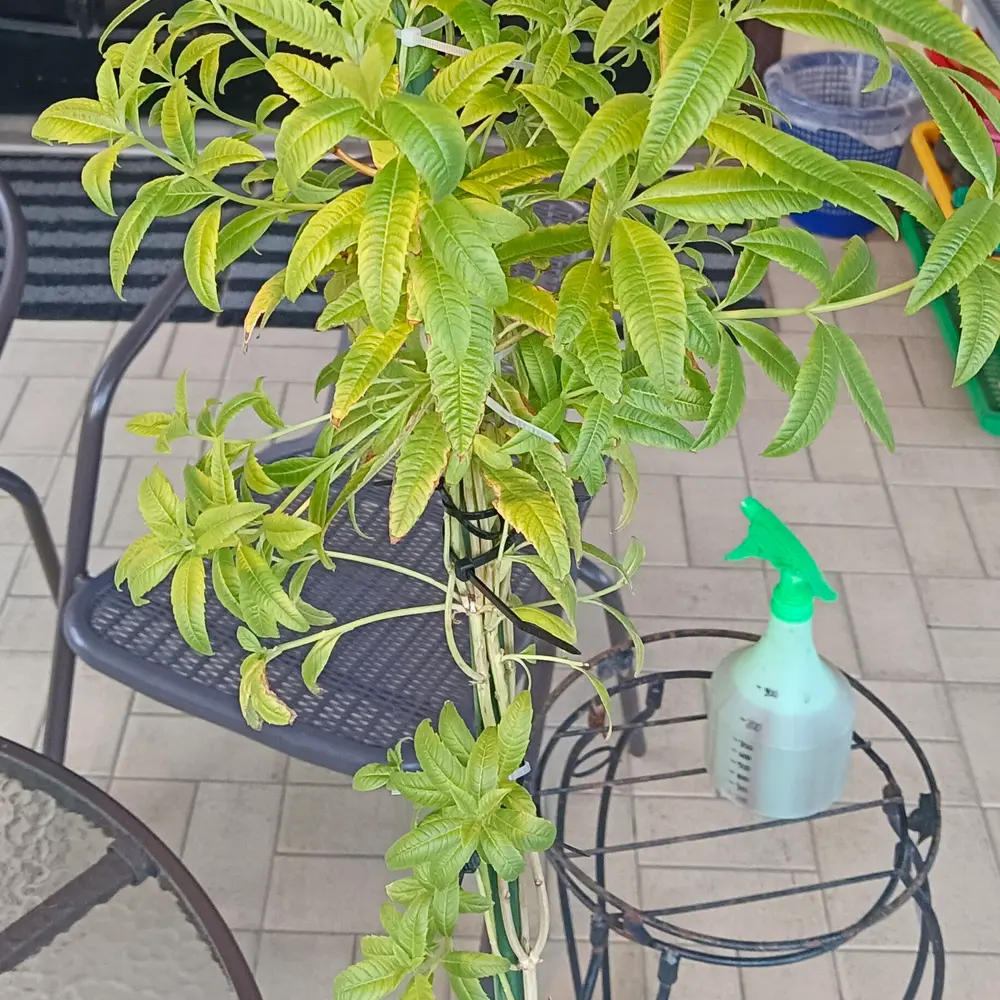
3 Tips for Healing Curling Leaves on Your Almond Verbena 🌰
Aloysia virgata
By the Greg Editorial Team
Oct 12, 2024•5 min read
This article was created with the help of AI so we can cover more plants for you. May contain errors. See one? Report it here.
Revive your almond verbena 🌱 with essential care tips and troubleshooting techniques for vibrant growth!
- 🌞 Almond verbena needs 6-8 hours of full sun for optimal growth and health.
- 🐛 Pests like aphids cause curling leaves; early detection is key for treatment.
- 💧 Watering every 1-2 weeks prevents overwatering and underwatering issues.
Diagnosing the Problem
🌡️ Assessing Environmental Factors
To keep your almond verbena thriving, start by checking the temperature. The ideal range is between 65°F to 85°F (18°C to 29°C), so make sure your plant isn’t exposed to extreme heat or cold.
Humidity also plays a crucial role. Aim for moderate levels between 40% and 60% to create a comfortable environment for your plant. Lastly, ensure your almond verbena gets full sun exposure, ideally 6 to 8 hours daily, to promote healthy growth.
🐛 Identifying Pests and Diseases
Next, look out for common pests that could be causing issues. Aphids are small, green insects often found on new growth, while spider mites leave fine webbing and create a stippled appearance on leaves.
Fungal infections can also be a concern. Symptoms of root rot include wilting even when you’ve watered adequately, while leaf spot diseases manifest as dark spots on leaves. Identifying these early can save your plant from further damage.
💧 Evaluating Watering Practices
Watering practices are another key factor in diagnosing problems. Signs of overwatering include yellowing leaves and soggy soil, indicating your plant is drowning.
On the flip side, underwatering shows up as dry, crispy leaves and wilting. A good rule of thumb is to water every 1 to 2 weeks, adjusting based on the soil moisture levels. Keeping an eye on these signs will help you maintain a healthy almond verbena.
With a solid understanding of these diagnostic factors, you’re well on your way to treating any issues your plant may face. Next, let’s explore effective treatments for curling leaves.
Treating Curling Leaves
🐞 Step-by-Step Treatment for Pests
Dealing with pests can feel overwhelming, but a systematic approach makes it manageable.
Inspect the plant: Start by checking for visible pests on leaves and stems. Look closely; aphids and spider mites can be sneaky.
Apply insecticidal soap: If you spot pests, follow the label instructions for dilution and application. This step is crucial for effective pest control.
Introduce beneficial insects: Consider adding ladybugs or predatory mites to your garden. They naturally control aphids and spider mites, reducing the need for chemicals.
🌱 Nutrient Supplementation Methods
Nutrient deficiencies can also lead to curling leaves.
Identify deficiencies: Conduct soil testing to check nitrogen and magnesium levels. This will help you understand what your plant needs.
Fertilization schedule: Use a balanced fertilizer every 4-6 weeks during the growing season. This keeps your almond verbena thriving.
Organic options: Don’t overlook compost or fish emulsion. These organic choices provide a nutrient boost without harsh chemicals.
💧 Adjusting Watering Techniques
Watering practices play a significant role in plant health.
Check soil moisture: Use a moisture meter or your finger to test the soil. This helps you avoid over or underwatering.
Watering method: Aim for deep watering to encourage robust root growth. Shallow watering can lead to weak plants.
Drainage improvement: Ensure your pots have drainage holes and use well-draining soil. This prevents water from pooling, which can cause root rot.
By addressing pests, nutrients, and watering, you can effectively treat curling leaves on your almond verbena. Next, let’s explore how to prevent future curling and keep your plant healthy year-round.
Preventing Future Curling
🌱 Best Practices for Soil Health
Maintaining soil quality is crucial for your almond verbena. A mix of potting soil and perlite enhances aeration, promoting healthy root development.
Regular amendments are also essential. Incorporate organic matter annually to enrich the soil and boost nutrient availability.
Don’t forget about pH balance. Aim to maintain a soil pH between 6.0 and 7.0 for optimal growth.
🌼 Seasonal Care Tips
Spring is the perfect time to fertilize and prune your almond verbena. This encourages new growth and sets the stage for a vibrant season.
In summer, keep a close eye on pests and adjust your watering frequency as needed. Staying proactive can prevent issues before they escalate.
As fall approaches, prepare for cooler temperatures by reducing watering. This helps your plant acclimate and stay healthy through the winter months.
🔍 Regular Monitoring and Maintenance
Weekly inspections are key. Check for pests, assess leaf health, and monitor soil moisture to catch any problems early.
Utilize effective pruning techniques. Removing dead or damaged leaves promotes airflow and reduces the risk of disease.
Lastly, keep a record of changes in plant health and care practices. This documentation can help you identify patterns and improve your care routine over time.
By implementing these preventive measures, you can ensure your almond verbena remains healthy and vibrant. Next, let’s explore when it might be time to seek professional help for your plant.
When to Seek Professional Help
🚨 Signs That Require Expert Intervention
Sometimes, despite your best efforts, your almond verbena may still struggle. If you notice persistent leaf curl that doesn't improve with treatment, it's time to consider professional help.
Severe pest infestations can also signal a need for expert intervention. If you're facing large populations of pests that seem impossible to control, don't hesitate to reach out for assistance.
Additionally, keep an eye out for signs of disease. Widespread yellowing, wilting, or decay can indicate deeper issues that may require specialized knowledge to address effectively.
Recognizing these signs early can save your plant and ensure it thrives. If you find yourself in this situation, seeking professional advice can provide the guidance you need to restore your almond verbena to health.
⚠️ Safety First
This content is for general information and may contain errors, omissions, or outdated details. It is not medical, veterinary advice, or an endorsement of therapeutic claims.
Always consult a qualified healthcare professional before using any plant as food, medicine, or supplement.
Never eat any plant (or feed one to pets) without confirming its identity with at least two trusted sources.
If you suspect poisoning, call Poison Control (800) 222-1222, the Pet Poison Helpline (800) 213-6680, or your local emergency service immediately.
Spotted an error? Please report it here.
Revive your almond verbena's curling leaves 🌱 with these tips, and let Greg guide you with tailored care reminders and pest alerts for a thriving plant!