Best Tips for Handling Pests on Almond Verbena 🌰
Aloysia virgata
By the Greg Editorial Team
Oct 12, 2024•6 min read
This article was created with the help of AI so we can cover more plants for you. May contain errors. See one? Report it here.
Master pest control for your almond verbena 🌿 with essential tips for identification and prevention—keep your garden thriving!
- 🐛 Identify common pests like spider mites and aphids to protect almond verbena.
- 🌱 Use organic treatments like neem oil for eco-friendly pest management.
- 🔍 Regular inspections catch pests early, preventing significant damage to your plants.
Common Pests
🕷️ Spider Mites
Identification
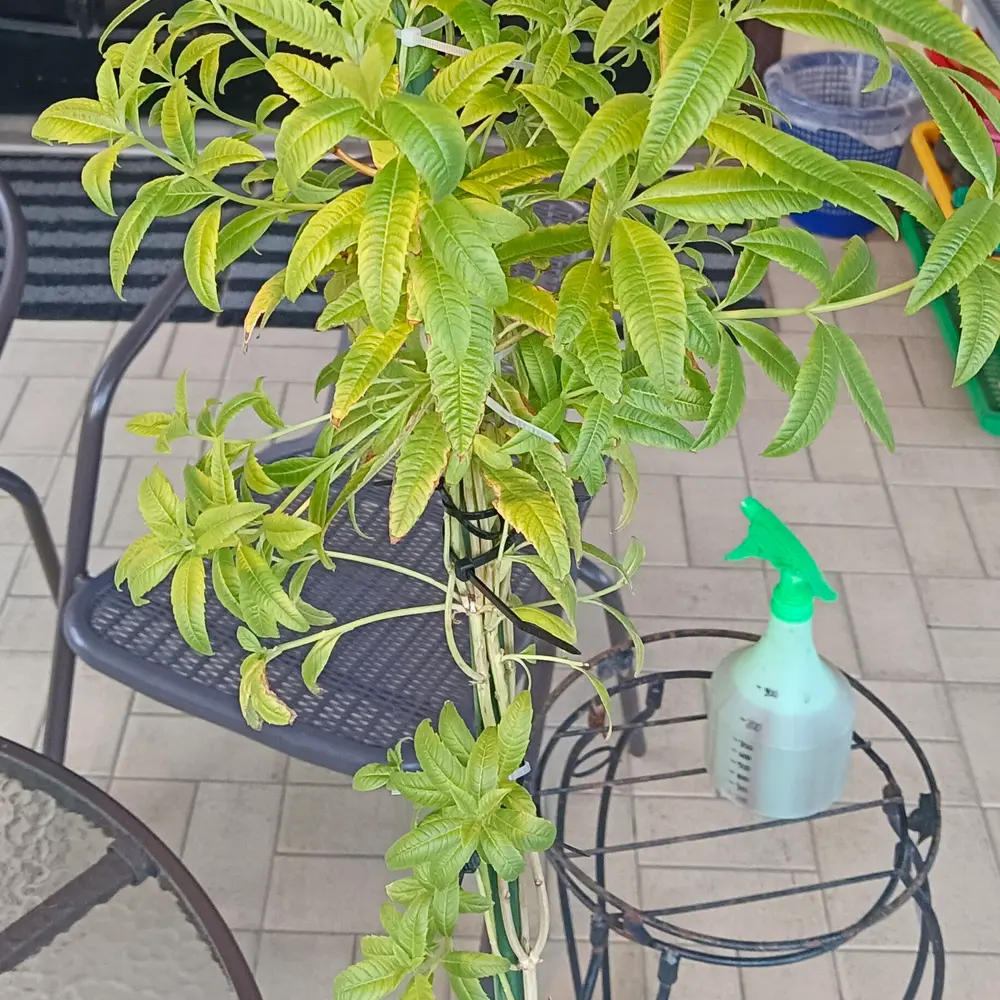
Spider mites are tiny, spider-like creatures that often hide on the undersides of leaves. Look for fine webbing and stippled or yellowing leaves as telltale signs of their presence.
Damage Caused
These pests can cause significant leaf discoloration and lead to premature leaf drop, weakening your almond verbena.
Treatment Options
For chemical solutions, consider using miticides specifically designed to target spider mites. Organic options include neem oil, insecticidal soap, and increasing humidity around the plant.
🐞 Scale Insects
Identification
Scale insects are small, oval-shaped pests that resemble bumps on stems and leaves. Sticky leaves and sooty mold from honeydew secretion are common indicators of an infestation.
Damage Caused
These insects can weaken your plant, stunt its growth, and cause leaf drop, making them a serious concern for almond verbena.
Treatment Options
Chemical treatments like systemic insecticides can be effective. For organic methods, try using rubbing alcohol on a cotton swab or applying horticultural oils.
🦟 Fungus Gnats / Fruit Flies
Identification
Fungus gnats are small, dark flies often seen hovering around the soil. Their larvae can be found in the soil, causing root damage.
Damage Caused
These pests can lead to root rot and weaken your plants by feeding on their roots, which is detrimental to their health.
Treatment Options
Chemical solutions include insecticidal granules for soil application. Alternatively, allow the soil to dry out between waterings and use sticky traps to catch these pests.
🐛 Mealybugs
Identification
Mealybugs appear as white, cottony masses in leaf axils and on stems. Sticky leaves and potential sooty mold are signs that they may be present.
Damage Caused
These sap-sucking pests weaken plants and can lead to leaf drop, making them a nuisance for almond verbena growers.
Treatment Options
For chemical control, insecticidal soap or systemic insecticides can be effective. Organic methods include manually removing them with a cotton swab dipped in alcohol.
🐜 Aphids
Identification
Aphids are small, soft-bodied insects that cluster on new growth. Look for curling leaves and sticky residue, known as honeydew, as signs of their activity.
Damage Caused
These pests can stunt growth and even transmit plant viruses, posing a significant threat to your almond verbena.
Treatment Options
Chemical treatments like broad-spectrum insecticides can help manage aphid populations. For organic solutions, consider introducing ladybugs, or using neem oil and insecticidal soap.
Understanding these common pests is crucial for maintaining the health of your almond verbena. Next, let’s explore how to enhance your plant's natural resistance to pests.
Pest Resistance
Natural Resistance Characteristics 🌿
Almond verbena boasts aromatic leaves that naturally deter many pests. This fragrant defense mechanism not only keeps unwanted visitors at bay but also enhances the plant's overall appeal.
Drought tolerance is another key characteristic, contributing to the plant's resilience. Healthy, well-hydrated plants are less susceptible to pest infestations, making proper watering practices essential.
Pests Less Likely to Affect 🐛
Thanks to its strong scent, almond verbena is generally resistant to larger herbivores. This natural protection means fewer worries about common pests, allowing you to enjoy your garden with peace of mind.
By understanding these resistance traits, you can appreciate how almond verbena thrives even in challenging conditions. This knowledge empowers you to cultivate a healthier garden while minimizing pest-related stress.
With a solid grasp of pest resistance, let’s explore effective prevention strategies to keep your almond verbena flourishing.
Prevention Strategies
🛡️ Preventative Measures
Regular inspections of your almond verbena plants are crucial. Look for early signs of pests, as catching them early can save you a lot of trouble later.
Maintaining healthy soil and proper watering practices is equally important. Healthy plants are less susceptible to pest infestations, so keep them thriving.
🧼 Plant Hygiene Tips
Keeping your garden clean is a simple yet effective strategy. Remove debris and dead leaves to minimize hiding spots for pests.
Don't forget to clean your tools and pots regularly. This prevents the transfer of pests from one plant to another, keeping your garden safe.
🔍 Regular Inspection Routines
Establish a routine for checking your plants. Aim for weekly inspections, especially during peak growing seasons when pests are most active.
By staying vigilant, you can catch any issues before they escalate. This proactive approach ensures your almond verbena remains healthy and vibrant.
With these prevention strategies in place, you can enjoy a flourishing garden while minimizing pest problems. Next, let’s explore general pest management techniques to further safeguard your plants.
General Pest Management
🌱 Integrated Pest Management (IPM) Principles
Integrated Pest Management (IPM) is a holistic approach to pest control that combines cultural, biological, and chemical methods. This strategy not only targets pests effectively but also promotes a healthier growing environment for your almond verbena.
- Cultural Controls: These include practices like crop rotation and proper watering techniques to reduce pest habitats.
- Biological Controls: Introducing natural predators, such as ladybugs for aphids, can help keep pest populations in check.
- Chemical Controls: When necessary, use targeted pesticides that minimize harm to beneficial insects.
Monitoring and record-keeping are crucial in IPM. Keeping track of pest populations helps you make informed decisions about when and how to act.
🔍 Importance of Early Detection and Intervention
Early detection of pests can save your almond verbena from significant damage. Regularly inspecting your plants allows you to catch issues before they escalate.
Utilizing pest identification resources is key. Knowing what to look for ensures that you can respond quickly and effectively, preventing widespread infestations.
By staying vigilant and proactive, you can maintain a thriving garden that resists pest challenges. This approach not only protects your plants but also fosters a deeper connection with your gardening journey.
Next, let’s explore how to distinguish between similar pests, ensuring you can identify and address any issues with confidence.
Distinguishing Similar Pests
Tips for Differentiating 🕵️♂️
Identifying pests accurately is crucial for effective treatment. Start by observing their size, color, and behavior; these characteristics can provide vital clues.
Pay attention to where the pests are located on the plant. For instance, aphids often cluster on new growth, while mealybugs prefer leaf axils.
Visual Cues and Characteristics 🔍
When comparing common pests, look for distinct features. Aphids are typically small and soft-bodied, often green or black, while mealybugs present as white, cottony masses.
Accurate identification is essential for effective pest management. Misidentifying a pest can lead to ineffective treatments and further damage to your almond verbena.
Understanding these differences empowers you to take action swiftly and effectively. With the right knowledge, you can protect your plants and enjoy their beauty without the worry of pests.
⚠️ Safety First
This content is for general information and may contain errors, omissions, or outdated details. It is not medical, veterinary advice, or an endorsement of therapeutic claims.
Always consult a qualified healthcare professional before using any plant as food, medicine, or supplement.
Never eat any plant (or feed one to pets) without confirming its identity with at least two trusted sources.
If you suspect poisoning, call Poison Control (800) 222-1222, the Pet Poison Helpline (800) 213-6680, or your local emergency service immediately.
Spotted an error? Please report it here.
Keep your almond verbena thriving 🌱 by mastering pest management techniques, and let Greg guide you with tailored reminders and pest identification resources for a flourishing garden!