Almond Verbena Is a Garden Plant, Not a Weed 🌼
Aloysia virgata
By the Greg Editorial Team
Oct 12, 2024•6 min read
This article was created with the help of AI so we can cover more plants for you. May contain errors. See one? Report it here.
Transform your garden with Almond Verbena, a stunning non-invasive plant that supports local wildlife! 🌼🌱
- 🌼 Almond Verbena is non-invasive, making it a safe and manageable garden choice.
- 🐝 Attracts pollinators like bees and butterflies, enhancing local biodiversity.
- 🌱 Drought-tolerant and low-maintenance, perfect for sustainable gardening practices.
Plant Classification
Definition of Invasive Species 🌱
Invasive species are plants that exhibit rapid growth and spread, often outcompeting native flora. They can disrupt local ecosystems, leading to a decline in biodiversity and altering habitat conditions.
Why Almond Verbena is Not Invasive 🌼
Almond verbena stands out for its non-aggressive growth habits, making it easy to manage in garden settings. It has limited self-seeding tendencies, which helps keep its spread in check.
Moreover, almond verbena fosters positive interactions with local flora and fauna. It attracts beneficial pollinators while coexisting harmoniously with other plants, enhancing the overall garden ecosystem.
This unique combination of traits makes almond verbena a delightful addition to any garden, free from the invasive concerns that plague many other species.
As we explore its growth habits next, you'll see how these characteristics contribute to its appeal in various garden designs.
Growth Habits
🌱 Typical Growth Patterns in Gardens
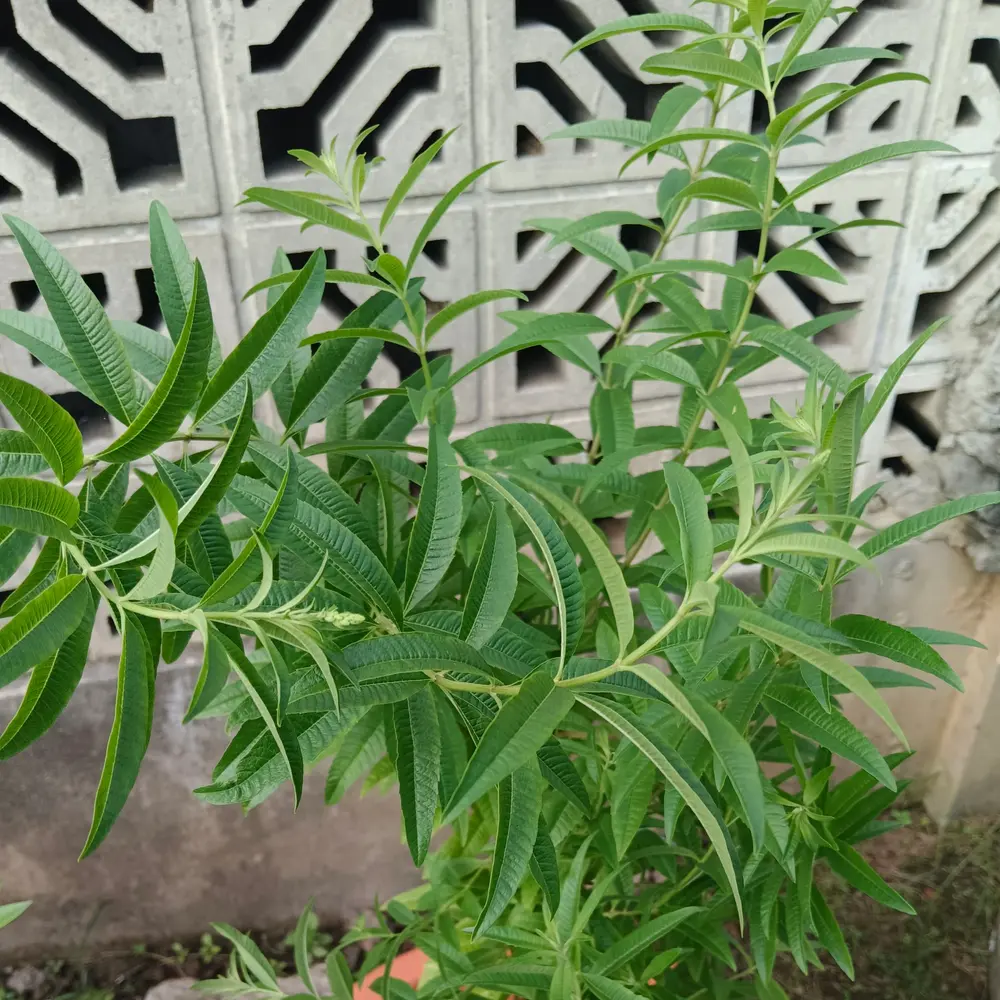
Almond Verbena typically grows between 3 to 5 feet tall and spreads about 3 to 4 feet wide. This plant thrives during the spring and summer, entering a dormant phase in winter.
🌸 Seasonal Growth Cycles
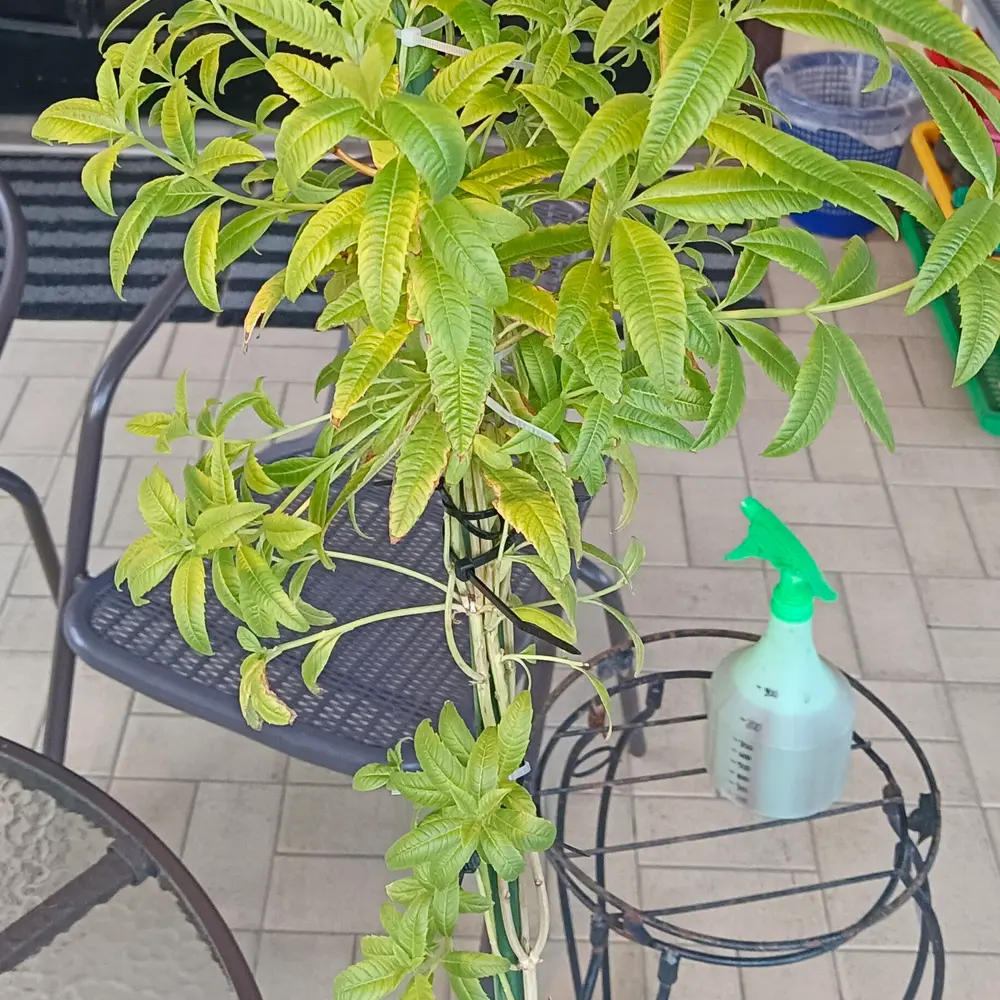
During its active growth period, Almond Verbena showcases lush foliage and vibrant flowers. In winter, it conserves energy, making it a low-maintenance option for gardeners.
🌿 Natural Growth Limits and Spread Potential
Once established, Almond Verbena is drought-tolerant, making it an excellent choice for xeriscaping. Its limited self-seeding means it won’t take over your garden, allowing for easy management.
✂️ Easy Control in Garden Settings
With its manageable growth habits, Almond Verbena fits well into various garden designs. You can enjoy its beauty without worrying about it becoming invasive.
As you consider incorporating Almond Verbena into your garden, think about its ecological benefits and how it can enhance your outdoor space. Next, we’ll explore its ecological role and the positive impact it has on local wildlife.
Ecological Role
Benefits to Local Wildlife 🐝
Almond verbena is a true friend to local wildlife. It attracts a variety of pollinators, including bees and butterflies, making it a vibrant addition to any garden.
Additionally, this plant provides essential habitat for birds and beneficial insects. Its dense foliage offers shelter and nesting opportunities, creating a thriving ecosystem right in your backyard.
Positive Interactions with Other Plants 🌱
When it comes to companion planting, almond verbena shines. It enhances the growth of nearby plants, promoting a healthier garden environment.
Moreover, its root interactions improve soil health. This not only benefits almond verbena but also supports the overall vitality of your garden.
Incorporating almond verbena into your landscape not only beautifies your space but also fosters a rich ecological network. As we explore garden management next, consider how this plant can play a pivotal role in your gardening strategy.
Garden Management
Incorporating Almond Verbena into Garden Designs 🌼
Almond Verbena is a versatile plant that thrives in various garden settings. It works beautifully in borders, pollinator gardens, and xeriscapes, adding both beauty and functionality.
When planning your garden, consider mixing Almond Verbena with other plants for a vibrant display. Its attractive lavender flowers and aromatic foliage provide color and texture, enhancing the overall aesthetic.
Growth Control Methods ✂️
Managing the growth of Almond Verbena is straightforward with a few pruning techniques.
- Timing: Prune in early spring before new growth begins.
- Tools: Use clean, sharp pruning shears for effective cuts.
- Techniques: Pinch back the stems to encourage a bushier appearance.
These methods help maintain its size and shape, ensuring it fits well within your garden design.
Maintenance Tips for Optimal Growth 🌱
To keep your Almond Verbena thriving, pay attention to its watering needs. Regular watering is essential until the plant is established; afterward, it becomes drought-tolerant.
Fertilization is also key. A light feeding in spring with a balanced fertilizer will support healthy growth.
Lastly, keep an eye out for pests. Regular inspections can help you catch any issues early, ensuring your plant remains healthy and vibrant.
Incorporating these practices will not only enhance the beauty of your garden but also promote the overall health of your plants. Next, let’s explore how Almond Verbena compares to other plants in your garden.
Comparison to Other Plants
🌿 Similar Non-Invasive Plants for Comparison
When considering non-invasive plants, Lavender, Catmint, and Lemon Verbena stand out. These plants share key characteristics: they have aromatic foliage, are drought-tolerant, and attract pollinators, making them excellent choices for any garden.
🌸 Unique Qualities of Almond Verbena
Almond Verbena brings its own flair to the garden. Its distinctive scent and attractive lavender flowers create a sensory experience that few plants can match. Plus, it boasts a longer blooming period compared to many similar plants, ensuring vibrant color throughout the growing season.
🌼 Benefits of Choosing Almond Verbena Over Other Plants
Opting for Almond Verbena means embracing a non-invasive nature that simplifies garden management. Its versatility allows it to shine in various garden designs, from borders to pollinator gardens, making it a fantastic addition to any landscape.
As you explore the possibilities of incorporating Almond Verbena into your garden, consider how its unique qualities can enhance your outdoor space. Next, let’s delve into the legal and environmental considerations surrounding this delightful plant.
Legal and Environmental Considerations
🌱 Relevant Classifications and Guidelines for Planting
When incorporating Almond Verbena into your garden, it's essential to be aware of local regulations regarding non-invasive plant species. Many regions have guidelines to promote the use of plants that support local ecosystems while preventing the spread of invasive species.
Check with local gardening clubs or extension services for specific recommendations. They can provide insights into responsible planting practices that align with your area's ecological needs.
♻️ Sustainable Gardening Practices
Integrating Almond Verbena into sustainable landscape designs can significantly enhance your garden's ecological footprint. This plant not only thrives in various conditions but also supports local wildlife, making it a fantastic choice for eco-conscious gardeners.
Using native and non-invasive plants like Almond Verbena helps maintain biodiversity. These plants create a balanced ecosystem, benefiting both the environment and your garden's health.
Incorporating these practices fosters a thriving garden that supports pollinators and other beneficial species. By choosing wisely, you contribute to a healthier planet while enjoying the beauty of your garden.
As you plan your garden, consider how these legal and environmental factors can guide your choices. This thoughtful approach will lead to a vibrant, sustainable space that flourishes year after year.
Next, let’s explore how Almond Verbena compares to other plants in your garden.
⚠️ Safety First
This content is for general information and may contain errors, omissions, or outdated details. It is not medical, veterinary advice, or an endorsement of therapeutic claims.
Always consult a qualified healthcare professional before using any plant as food, medicine, or supplement.
Never eat any plant (or feed one to pets) without confirming its identity with at least two trusted sources.
If you suspect poisoning, call Poison Control (800) 222-1222, the Pet Poison Helpline (800) 213-6680, or your local emergency service immediately.
Spotted an error? Please report it here.
Transform your garden with Almond Verbena's beauty 🌼 while Greg provides personalized care tips to help you cultivate a thriving, eco-friendly space!