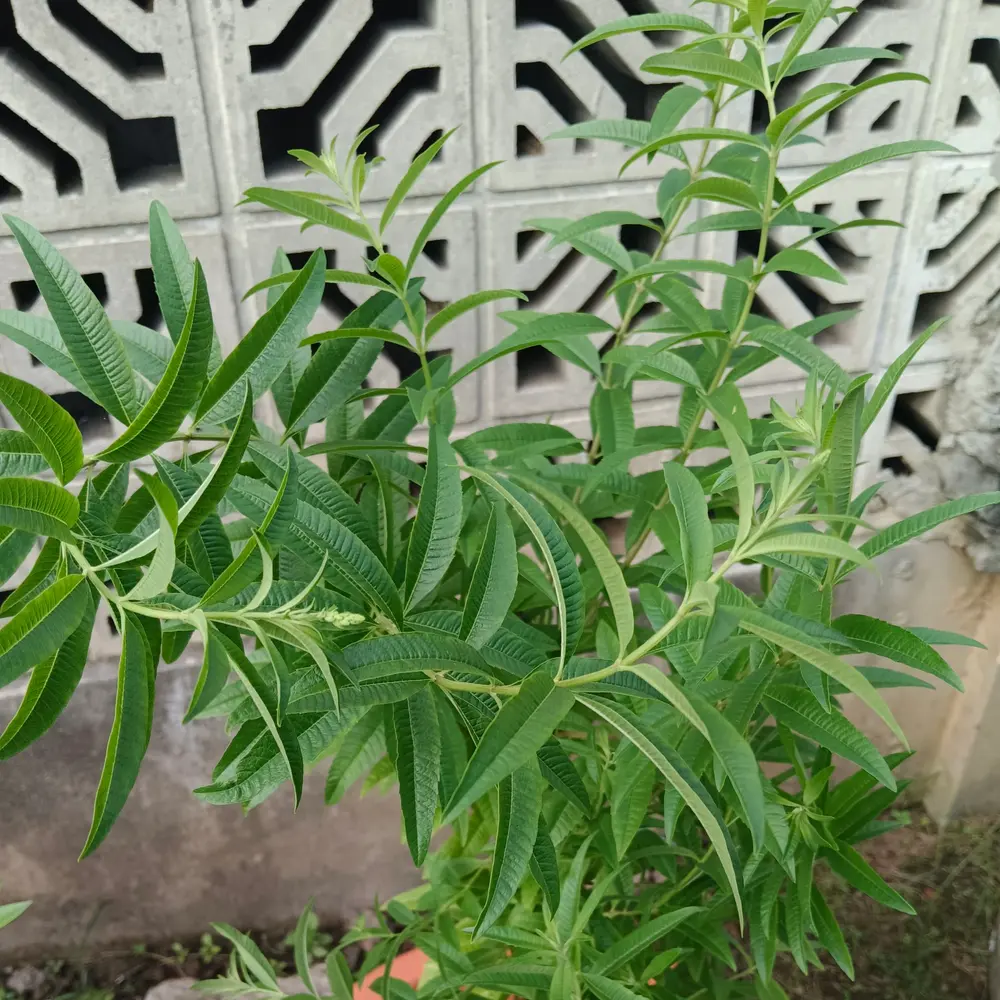
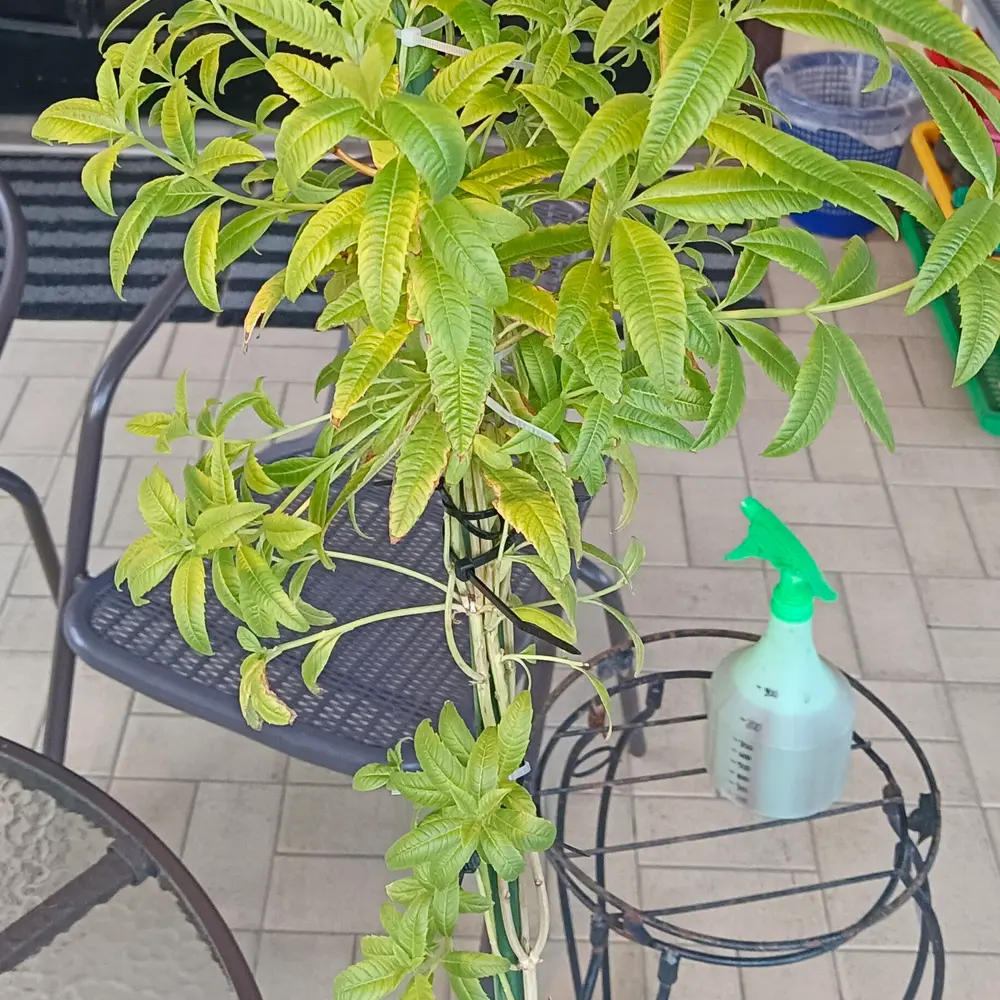
Almond Verbena: Not an Annual
Aloysia virgata
By the Greg Editorial Team
Oct 12, 2024•3 min read
This article was created with the help of AI so we can cover more plants for you. May contain errors. See one? Report it here.
Elevate your garden with resilient Almond Verbena 🌱, a perennial beauty that thrives year after year!
- 🌱 Almond Verbena is a perennial, thriving in warm climates and regrowing each spring.
- 🌼 This plant flowers repeatedly over multiple seasons, unlike true annuals.
- 🌿 Drought resilient and aromatic, it enhances garden aesthetics and attracts pollinators.
Almond Verbena as a Perennial
🌱 Genetic Characteristics
Almond Verbena belongs to the Verbena genus, showcasing its unique botanical lineage. This plant thrives in the warm climates of South America, where it has adapted to its environment.
Its genetic adaptations include remarkable resilience to drought and the ability to regrow after periods of dormancy. These traits make it a robust choice for various gardens.
🌿 Physiological Traits Supporting Perennial Growth
The growth habit of Almond Verbena is bushy, typically reaching heights of 3 to 4 feet. This stature not only adds visual interest but also provides a lush backdrop in any garden.
Its deep-rooted system allows the plant to access essential nutrients and moisture, promoting healthy growth. Additionally, the aromatic leaves contribute to its perennial nature, enhancing the sensory experience in your garden.
📅 Long-Term Lifecycle and Growth Patterns
Almond Verbena exhibits a seasonal growth pattern, emerging in spring and flowering throughout the summer. While it may die back in winter, this plant is equipped to survive cold conditions and regrow come spring.
With a lifespan that can extend for several years, Almond Verbena consistently produces flowers and seeds annually. This longevity makes it a valuable addition to any landscape.
🌼 Lifecycle Comparison with True Annuals
Unlike true annuals, which complete their lifecycle in a single season, Almond Verbena has a multi-year lifecycle. This means it can flower repeatedly over the years, providing ongoing beauty.
In contrast, annuals typically produce flowers just once before dying. Almond Verbena also employs diverse reproductive strategies, including vegetative propagation and seed production, ensuring its continued presence in the garden.
🌍 Regional Variations and Misconceptions
In non-tropical regions, cold winters can lead to dieback, causing some gardeners to treat Almond Verbena as an annual. This misunderstanding often stems from a lack of awareness about its hardiness.
Common misconceptions can cloud the true nature of this plant. However, exceptions exist based on local conditions, leading to varied growth patterns that can surprise even seasoned gardeners.
🌸 Garden Design and Planning
Integrating Almond Verbena into your garden offers numerous advantages, including a long-term investment and the attraction of pollinators. Its vibrant blooms can enhance the overall aesthetic of your outdoor space.
For optimal placement, consider companion planting to maximize benefits. Seasonal considerations, such as the best planting times and minimal maintenance needs, further enhance its appeal.
🔧 Maximizing Longevity
To ensure your Almond Verbena thrives, focus on best practices for management, including proper watering and fertilization. These easy steps can significantly impact its health and growth.
For enhanced flowering and growth, consider moderate techniques like pruning and mulching. Addressing common challenges, such as pest management and disease prevention, will help maintain its vitality.
As you explore the world of Almond Verbena, you'll discover its potential to transform your garden into a vibrant, perennial paradise. Next, let's delve into how to effectively design and plan your garden with this remarkable plant in mind.
⚠️ Safety First
This content is for general information and may contain errors, omissions, or outdated details. It is not medical, veterinary advice, or an endorsement of therapeutic claims.
Always consult a qualified healthcare professional before using any plant as food, medicine, or supplement.
Never eat any plant (or feed one to pets) without confirming its identity with at least two trusted sources.
If you suspect poisoning, call Poison Control (800) 222-1222, the Pet Poison Helpline (800) 213-6680, or your local emergency service immediately.
Spotted an error? Please report it here.
Discover the resilient beauty of Almond Verbena 🌱 and let Greg provide tailored care tips to help your garden flourish season after season!