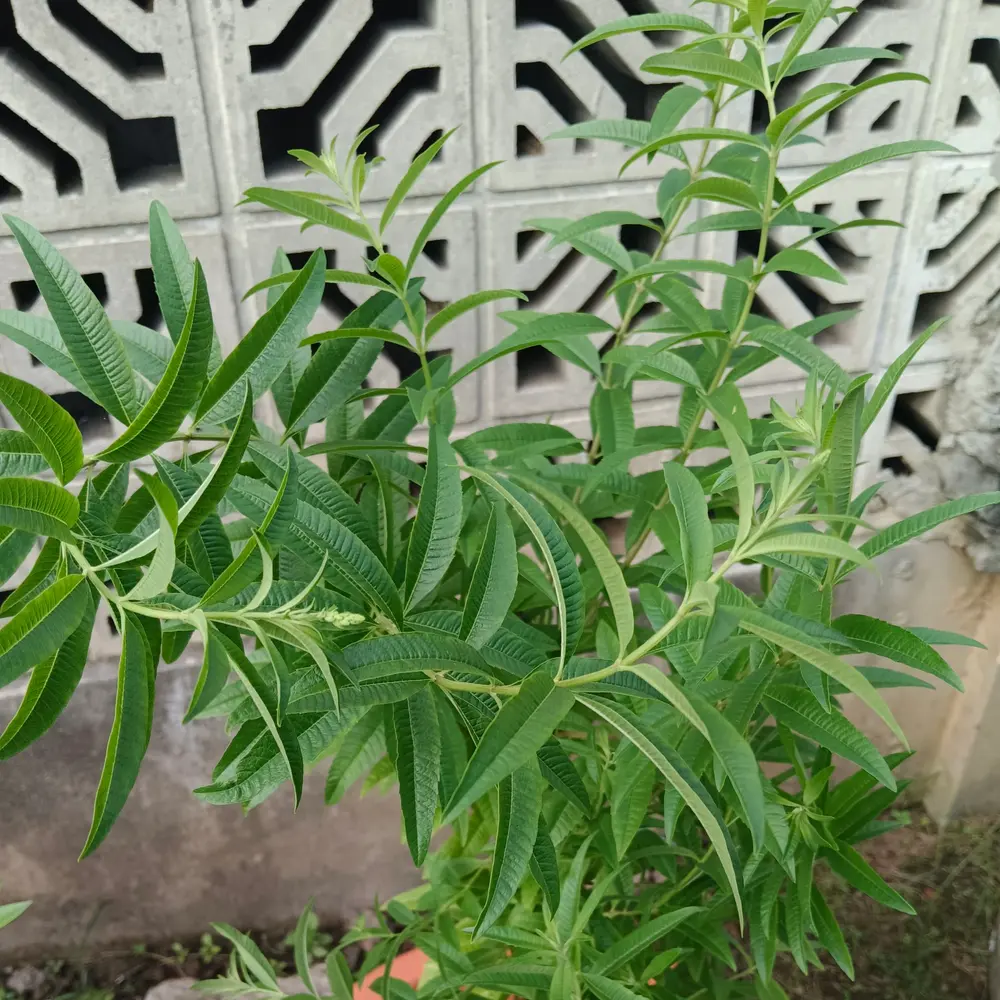
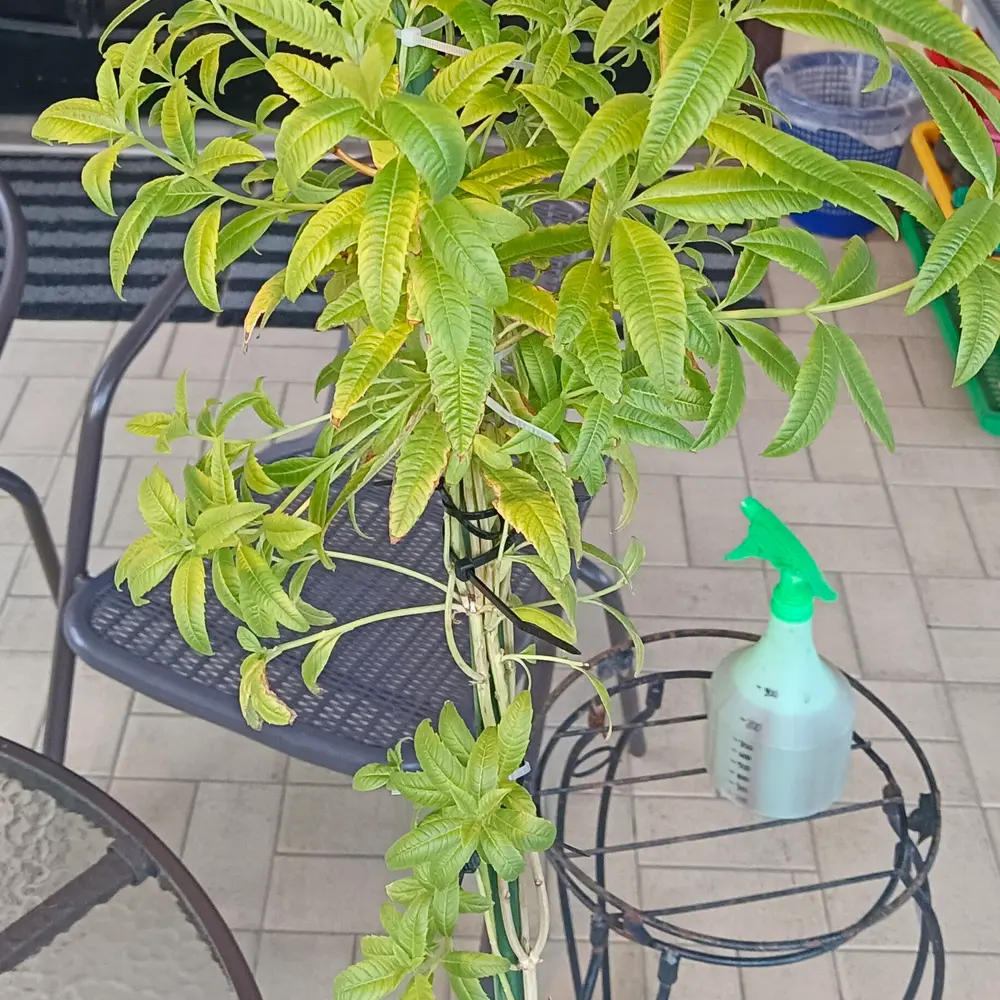
Why Your Almond Verbena Buds Won't Open 🌰
Aloysia virgata
By the Greg Editorial Team
Oct 12, 2024•5 min read
This article was created with the help of AI so we can cover more plants for you. May contain errors. See one? Report it here.
Transform your almond verbena into a blooming beauty 🌼 with essential tips on light, nutrients, and pruning techniques!
- 🌞 Almond verbena needs 6-8 hours of sunlight daily for blooming success.
- 🌱 Nutritional deficiencies in nitrogen, phosphorus, and potassium hinder flower development.
- 💧 Consistent watering and well-draining soil are crucial to prevent stress and root rot.
Failure to Bloom
🌞 Potential Causes
Light Requirements
Almond verbena thrives in full sun, requiring 6-8 hours of direct sunlight daily. If your plant is not getting enough light, you may notice stunted growth and sparse foliage.
Nutritional Deficiencies
A lack of essential nutrients like nitrogen, phosphorus, and potassium can hinder blooming. Symptoms include yellowing leaves and poor overall growth.
Environmental Stress
Temperature fluctuations can significantly impact blooming, especially since almond verbena is sensitive to frost. Additionally, soil moisture issues—whether from overwatering or underwatering—can stress the plant and prevent it from flowering.
💡 Solutions
Adjusting Light Exposure
If your almond verbena isn't getting enough sunlight, consider relocating it to a sunnier spot. You can also use reflective surfaces to enhance light availability.
Fertilization
Applying a balanced fertilizer during the growing season can help address nutritional deficiencies. Regularly monitor soil nutrient levels to ensure your plant is getting what it needs to thrive.
By addressing these potential causes and implementing the suggested solutions, you can encourage your almond verbena to bloom beautifully. Next, let’s explore the issue of premature flower drop and how to tackle it effectively.
Premature Flower Drop
Premature flower drop can be frustrating for any gardener. Understanding the common causes can help you take action before it's too late.
🌱 Common Causes
Pest Issues
Pests like aphids, spider mites, and whiteflies can wreak havoc on your almond verbena buds. Look for signs such as sticky residue, webbing, or visible pests on your plants.
Watering Issues
Watering practices play a crucial role in flower retention. Overwatering can lead to root rot, while underwatering can stress the plant, causing buds to drop prematurely.
Temperature Fluctuations
Sudden temperature changes can also affect your flowers. Extreme heat or cold may lead to wilting or drooping flowers, signaling that your plant is struggling.
🛠️ Solutions
Pest Control
To manage pests effectively, consider using insecticidal soap or neem oil. Introducing beneficial insects like ladybugs can also help keep pest populations in check.
Proper Watering Techniques
Maintaining consistent soil moisture is key. Water your almond verbena when the top inch of soil is dry, and ensure you have well-draining soil to prevent root rot.
By addressing these common causes and implementing effective solutions, you can help your almond verbena thrive and enjoy a beautiful bloom season. Next, let’s explore how environmental factors can impact flowering.
Abnormal Flower Development
🌱 Factors Affecting Flower Morphology
Nutritional Imbalances
Nutritional imbalances can significantly impact the development of your almond verbena flowers. Both excess and deficiency of nutrients can lead to malformed blooms, resulting in stunted or deformed flowers that fail to impress.
Pruning Techniques
Improper pruning can also hinder flower development. If you notice sparse flowering or uneven growth, it might be time to reevaluate your pruning methods.
🛠️ Solutions
Correcting Soil Nutrients
To address nutritional imbalances, start by conducting a soil test. This will help you determine the nutrient levels and allow you to amend the soil with organic matter or specific fertilizers as needed.
Proper Pruning Techniques
For optimal flower development, prune your almond verbena after flowering to encourage new growth. Be cautious to avoid heavy pruning in late summer, as this can jeopardize the buds that are set to bloom in the next cycle.
By understanding these factors and implementing the right solutions, you can foster a healthier, more vibrant flowering experience for your almond verbena. Next, let’s explore how environmental factors can further impact flowering.
Environmental Factors Impacting Flowering
🌞 Light Requirements
Importance of Sunlight for Blooming
Full sun exposure is crucial for your almond verbena to thrive and produce vibrant blooms. Without adequate light, you may notice a significant drop in flower production, leaving your plant looking lackluster.
🍽️ Nutritional Needs
Key Nutrients for Flowering
Your almond verbena requires essential nutrients to flourish. Nitrogen supports lush foliage, phosphorus promotes blooming, and potassium ensures overall plant health. Aim for a balanced N-P-K ratio, like 10-10-10, to keep your plant in top shape.
💧 Watering Practices
Effects of Overwatering and Underwatering on Flowering
Watering practices play a pivotal role in your plant's health. Overwatering can lead to root rot, which severely impacts bloom retention, while underwatering can stress the plant, causing buds to drop prematurely.
Understanding these environmental factors can help you create the ideal conditions for your almond verbena to bloom beautifully. Next, we’ll explore how pruning techniques can further enhance flowering.
Pruning and Its Effects on Flowering
🕒 Timing of Pruning
Pruning your almond verbena at the right time is crucial for optimal flowering. The best practice is to prune in early spring, just before new growth begins.
Avoid late summer pruning, as this can jeopardize the developing buds. Timing is everything when it comes to encouraging a vibrant bloom.
✂️ Techniques for Pruning
Using the right techniques can significantly enhance flower development. Always opt for clean, sharp tools to make precise cuts.
Removing dead or damaged stems is essential for promoting airflow. This simple step can make a world of difference in your plant's health.
❌ Common Mistakes to Avoid
Be mindful of common pruning pitfalls that can hinder flowering. Over-pruning can lead to reduced blooms, leaving your plant looking sparse.
On the flip side, neglecting to prune can result in woody growth and fewer flowers. Striking the right balance is key to a flourishing almond verbena.
Understanding these pruning techniques and timing can set you on the path to a more vibrant garden. Next, let’s explore the environmental factors that impact flowering.
⚠️ Safety First
This content is for general information and may contain errors, omissions, or outdated details. It is not medical, veterinary advice, or an endorsement of therapeutic claims.
Always consult a qualified healthcare professional before using any plant as food, medicine, or supplement.
Never eat any plant (or feed one to pets) without confirming its identity with at least two trusted sources.
If you suspect poisoning, call Poison Control (800) 222-1222, the Pet Poison Helpline (800) 213-6680, or your local emergency service immediately.
Spotted an error? Please report it here.
Unlock your almond verbena's blooming potential 🌸 with Greg's tailored care reminders and expert tips to keep it thriving in sunlight and nutrients!