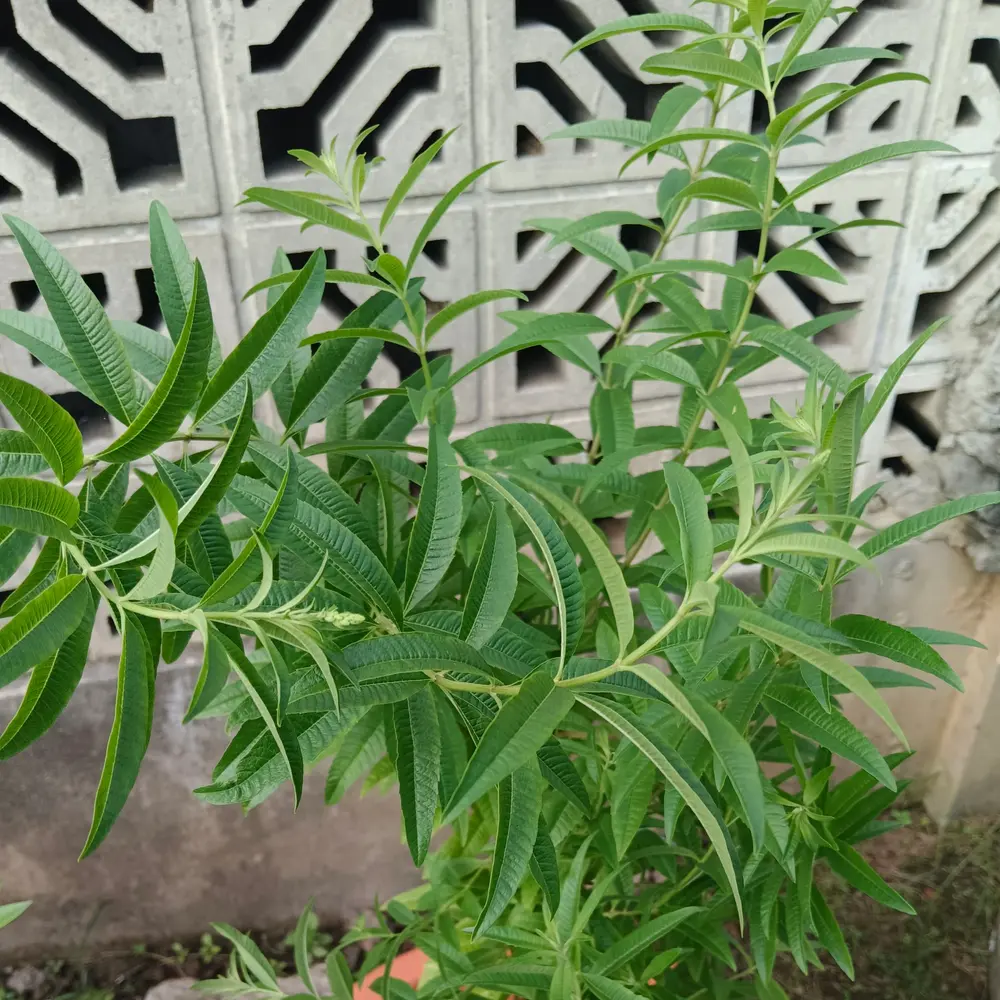
Everything You Need to Know to Grow Almond Verbena 🌰
Aloysia virgata
By the Greg Editorial Team
Oct 12, 2024•6 min read
This article was created with the help of AI so we can cover more plants for you. May contain errors. See one? Report it here.
Cultivate a vibrant garden with thriving almond verbena by mastering essential planting and care techniques! 🌱🌼
- 🌞 Almond verbena needs 6-8 hours of sunlight daily for optimal growth.
- 🌱 Well-draining sandy loam soil prevents root rot and promotes healthy growth.
- ✂️ Regular pruning and deadheading enhance flowering and maintain plant shape.
Site Selection and Soil Preparation
🌞 Choosing the Right Location
Sunlight Requirements
Almond verbena thrives in full sun, needing 6 to 8 hours of direct sunlight daily. When selecting a spot, consider how shade patterns shift throughout the day to ensure your plants get the light they crave.
Space Considerations
Space is crucial for healthy growth. Ensure adequate spacing between plants to promote air circulation, which helps prevent diseases and allows for optimal growth.
🌱 Soil Type and pH Requirements
Ideal Soil Type
For almond verbena, well-draining soil is essential, with sandy loam being the best option. This type of soil allows excess water to escape, preventing root rot.
pH Requirements
Aim for a slightly acidic to neutral pH, ideally between 6.0 and 7.0. This range supports nutrient availability, ensuring your plants flourish.
🛠️ Soil Preparation Techniques
Amendments
Incorporating organic matter, like compost, can significantly enhance soil fertility. This addition enriches the soil, providing essential nutrients for your almond verbena.
Drainage
Proper drainage is vital for healthy roots. Consider techniques such as raised beds or adding perlite to improve drainage, ensuring your plants don’t sit in waterlogged soil.
With the right location and soil preparation, you're setting the stage for thriving almond verbena. Next, let’s explore the best planting times to get your garden started!
Planting
🌱 Best Planting Times
Timing is everything when it comes to planting almond verbena. Aim for spring after the last frost for outdoor planting, ensuring your plants have the best chance to thrive.
For those growing indoors, late winter is ideal for container planting. This allows your plants to establish roots before the growing season kicks in.
📝 Step-by-Step Planting Instructions
Follow these simple steps for successful planting:
- Prepare the planting hole: Dig a hole that is twice the width of the root ball. This gives the roots plenty of room to spread.
- Place the plant in the hole: Ensure the crown is level with the soil surface. This is crucial for healthy growth.
- Backfill with soil: Gently pack the soil around the plant and water thoroughly. This helps eliminate air pockets and settles the soil.
📏 Spacing and Depth Recommendations
Proper spacing is key to healthy growth. For outdoor planting, space your almond verbena plants 2-3 feet apart. This allows for adequate air circulation and room for growth.
When it comes to depth, plant your verbena at the same depth it was in the nursery container. This ensures the roots are well-positioned for optimal development.
With these planting tips in mind, you’re well on your way to cultivating a thriving almond verbena garden. Next, let’s explore how to care for your plants through proper watering and fertilizing techniques.
Watering and Fertilizing
💧 Watering Frequency and Techniques
Watering your almond verbena is crucial for its health. Aim to water deeply but infrequently, allowing the soil to dry out between sessions.
To maximize effectiveness, soak the base of the plant. This technique prevents wetting the foliage, which can lead to fungal issues.
🌱 Fertilization Schedule and Types of Fertilizers
Fertilizing is essential for robust growth. During the growing season, apply a balanced fertilizer monthly for optimal results.
For those who prefer organic options, consider using compost tea or fish emulsion. These alternatives enrich the soil naturally and support healthy plant development.
🚿 Signs of Overwatering or Underwatering
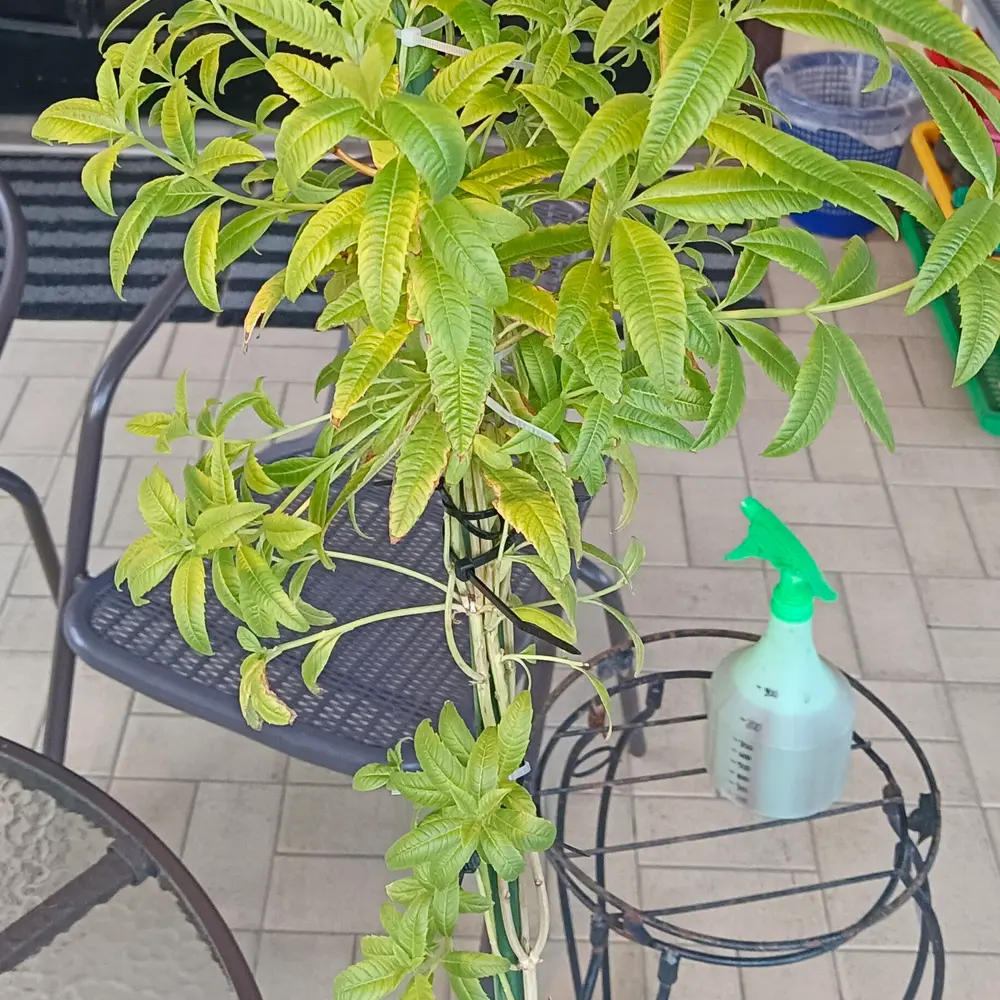
Recognizing the signs of overwatering is vital. Look for yellowing leaves, wilting, and root rot as indicators that your plant is getting too much water.
On the flip side, underwatering manifests as drooping leaves and dry, crispy edges. Adjust your watering routine based on these signals to keep your almond verbena thriving.
Understanding these watering and fertilizing techniques will set you on the path to success. Next, we'll explore effective pruning and maintenance strategies to keep your plants healthy and blooming beautifully.
Pruning and Maintenance
✂️ Pruning Techniques for Shape and Health
Pruning almond verbena is essential for maintaining its shape and overall health. The best time to prune is late winter or early spring, just before new growth begins.
Remove any dead or damaged stems to promote better air circulation. Shaping the plant will encourage a bushier appearance, making it more visually appealing.
📅 Seasonal Maintenance Tasks
Regular maintenance is key to a thriving almond verbena. Deadheading spent blooms encourages more flowers, keeping your plant vibrant.
Additionally, keep an eye out for pests and diseases. Early detection can save your plant from serious issues down the line.
🌼 Tips for Encouraging Blooming
To boost blooming, ensure your almond verbena receives adequate sunlight. Aim for at least six hours of direct sunlight daily.
Proper watering is also crucial; let the soil dry out between watering sessions. Lastly, fertilize appropriately during the growing season to promote abundant flowering.
With these pruning and maintenance tips, your almond verbena will flourish beautifully. Next, let’s explore common challenges you might face and how to tackle them effectively.
Common Challenges and Solutions
🐛 Identifying and Managing Pests
Common Pests
Aphids are small but mighty nuisances. You’ll notice their presence by the sticky residue they leave behind and curled leaves on your almond verbena.
To control aphids, consider using insecticidal soap or neem oil. Both options are effective and safe for your plants.
Spider mites are another common pest. Look for fine webbing on the leaves, which is a telltale sign of their infestation.
To combat spider mites, increase humidity around the plant and apply miticides as needed. Keeping the environment moist can deter these pests.
🦠 Addressing Diseases
Common Diseases
Powdery mildew can be a real headache for gardeners. It manifests as white powdery spots on leaves, often indicating poor air circulation.
To prevent powdery mildew, ensure good air circulation around your plants and avoid overhead watering. This simple adjustment can make a big difference.
Root rot is another issue to watch for. If your plant is wilting despite adequate watering, root rot may be the culprit.
To prevent this, always use well-draining soil and avoid overwatering. Your almond verbena will thrive with the right care.
🌱 Troubleshooting Growth Issues
Common Growth Issues
Leggy growth is a common problem, often caused by insufficient light. If your plant looks stretched out, it’s time to move it to a sunnier spot.
Poor flowering can also be frustrating. This issue usually stems from nutrient deficiency or inadequate sunlight.
To encourage blooming, adjust your fertilization schedule and ensure your plant receives full sun exposure. With these tweaks, your almond verbena will be on its way to flourishing.
By addressing these common challenges, you can enjoy a healthy and vibrant almond verbena garden. Next, let’s explore effective pruning and maintenance techniques to keep your plants in top shape.
⚠️ Safety First
This content is for general information and may contain errors, omissions, or outdated details. It is not medical, veterinary advice, or an endorsement of therapeutic claims.
Always consult a qualified healthcare professional before using any plant as food, medicine, or supplement.
Never eat any plant (or feed one to pets) without confirming its identity with at least two trusted sources.
If you suspect poisoning, call Poison Control (800) 222-1222, the Pet Poison Helpline (800) 213-6680, or your local emergency service immediately.
Spotted an error? Please report it here.
Transform your garden with thriving almond verbena 🌼 by using Greg's custom reminders for sunlight, watering, and pest control to keep your plants flourishing!