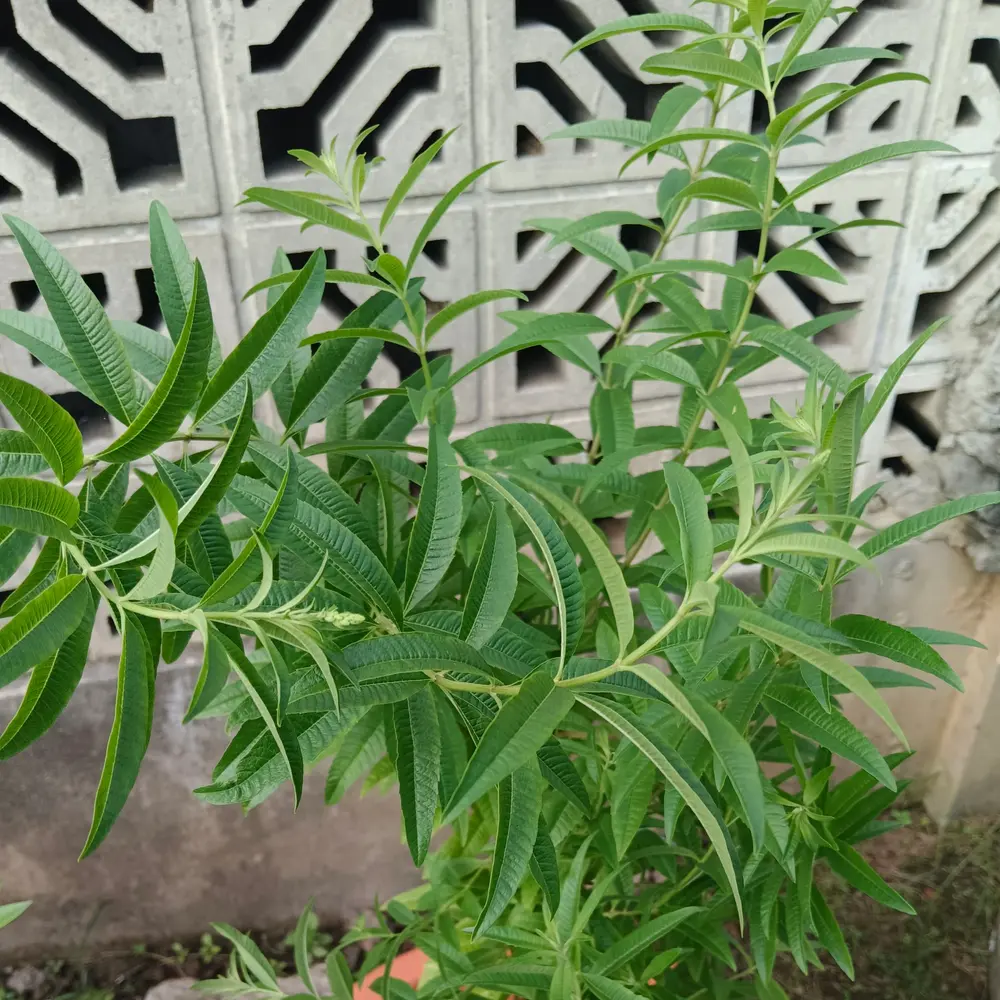
How Often to Water Your Almond Verbena 🌰
Aloysia virgata
By the Greg Editorial Team
Oct 12, 2024•4 min read
This article was created with the help of AI so we can cover more plants for you. May contain errors. See one? Report it here.
Keep your almond verbena thriving 🌱 by mastering essential watering techniques for vibrant, healthy growth!
- 💧 Recognize signs of over-watering and under-watering to keep almond verbena healthy.
- 🌱 Use bottom-watering for deep root growth and to prevent over-watering issues.
- 📱 Utilize apps for customizable watering reminders based on your plant's needs.
Recognizing Over-Watering and Under-Watering
🚰 Signs of Over-Watering
Over-watering can be just as harmful as under-watering. Here are some key signs to watch for:
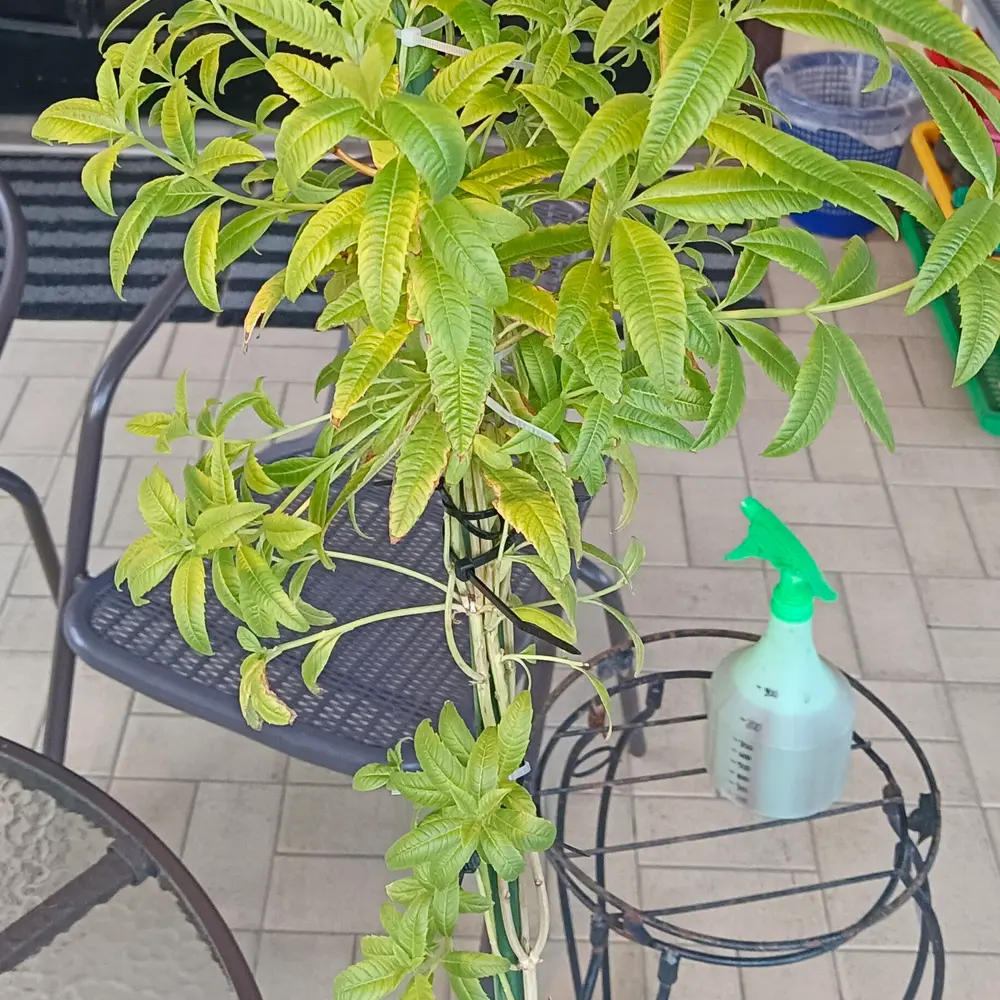
Yellowing Leaves: If the lower leaves of your almond verbena are turning yellow and dropping, it’s a clear indication of too much water.
Wilting Despite Wet Soil: A plant that appears limp even when the soil is saturated is signaling distress.
Root Rot: A foul smell from the soil and mushy roots upon inspection are serious red flags.
Mold Growth: If you notice mold on the soil surface, it’s time to reassess your watering habits.
💧 Signs of Under-Watering
On the flip side, under-watering can lead to equally concerning issues. Keep an eye out for these signs:
Dry, Crispy Leaves: When the edges of leaves start turning brown and crispy, your plant is thirsty.
Wilting: Drooping leaves that lose their turgor pressure indicate a lack of water.
Soil Pulling Away from the Pot Edges: Visible gaps between the soil and pot suggest that the soil is too dry.
Flower Drop: If flowers are prematurely dropping during the blooming season, your plant may not be getting enough moisture.
Recognizing these signs early can help you maintain the health of your almond verbena. Understanding the balance between over-watering and under-watering is crucial for thriving plants. Next, let’s explore effective watering techniques to keep your plants happy and hydrated.
Watering Techniques
🌊 Bottom-Watering Method (difficulty: easy)
Bottom-watering is a simple yet effective technique that encourages deep root growth. By watering from the bottom, you allow the plant to absorb moisture naturally.
Steps:
- Fill a tray with water.
- Place the pot in the tray and allow it to absorb water for 30 minutes.
- Remove the pot and let excess water drain.
This method not only reduces the risk of over-watering but also promotes even moisture distribution throughout the soil. Your almond verbena will thrive with roots reaching deep for hydration.
💧 Self-Watering Pots and Their Benefits (difficulty: moderate)
Self-watering pots are a game-changer for busy gardeners. These pots come equipped with a reservoir that allows plants to absorb water as needed.
Advantages:
- Consistent moisture levels: This feature reduces the frequency of watering, making it easier to maintain healthy plants.
- Ideal for busy gardeners: With less daily maintenance required, you can focus on enjoying your plants rather than constantly tending to them.
- Helps prevent over-watering: As the soil dries out, water is drawn up, ensuring your almond verbena gets just the right amount.
Using these techniques can transform your gardening experience, making it more enjoyable and less stressful. Now that you have effective watering methods, let’s explore how to measure soil moisture accurately.
Measuring Soil Moisture
🌱 How to Check Soil Moisture Levels
Checking soil moisture is essential for keeping your almond verbena healthy. Start with the finger test: insert your finger about 1-2 inches into the soil. If it feels dry, it's time to water.
Next, perform a visual inspection. Dry soil will appear lighter in color, indicating it needs moisture.
Finally, consider the soil texture. Crumbly soil suggests dryness, while sticky soil means it still has moisture.
🛠️ Tools for Measuring Soil Moisture
For more precise measurements, use a moisture meter. These digital or analog devices can give you accurate readings of soil moisture levels.
Another handy tool is a soil probe, which allows you to check moisture at different depths.
If you prefer a DIY approach, try using a wooden stick or chopstick. You can gauge moisture by feeling its weight after inserting it into the soil.
Understanding how to measure soil moisture effectively will help you maintain the right watering schedule for your almond verbena. With the right tools and techniques, you can ensure your plant thrives beautifully.
Watering Reminders and Scheduling
📱 Using the Greg Plant Care App for Reminders
The Greg Plant Care App is a game-changer for plant enthusiasts. It offers customizable watering reminders tailored to your almond verbena's specific needs.
You’ll receive notifications for seasonal adjustments, ensuring your plant gets the right amount of water year-round. Plus, the app helps you track plant health and moisture levels over time, making it easier to stay on top of care.
📅 Setting Up a Watering Schedule Based on Plant Needs
Creating a watering schedule is essential for optimal plant health. Start by considering factors like plant size and growth stage; as your almond verbena matures, adjust the watering frequency accordingly.
Environmental conditions also play a crucial role. Keep an eye on temperature and humidity levels to fine-tune your schedule.
Here’s a simple example:
- Weekly reminders during active growth in spring and summer.
- Bi-weekly reminders during dormancy in fall and winter.
With these strategies, you’ll ensure your almond verbena thrives, keeping it vibrant and healthy. Now, let’s explore effective watering techniques to further enhance your plant care routine.
⚠️ Safety First
This content is for general information and may contain errors, omissions, or outdated details. It is not medical, veterinary advice, or an endorsement of therapeutic claims.
Always consult a qualified healthcare professional before using any plant as food, medicine, or supplement.
Never eat any plant (or feed one to pets) without confirming its identity with at least two trusted sources.
If you suspect poisoning, call Poison Control (800) 222-1222, the Pet Poison Helpline (800) 213-6680, or your local emergency service immediately.
Spotted an error? Please report it here.
Keep your almond verbena thriving 🌱 by using Greg's tailored watering reminders to ensure it gets the perfect hydration it craves!