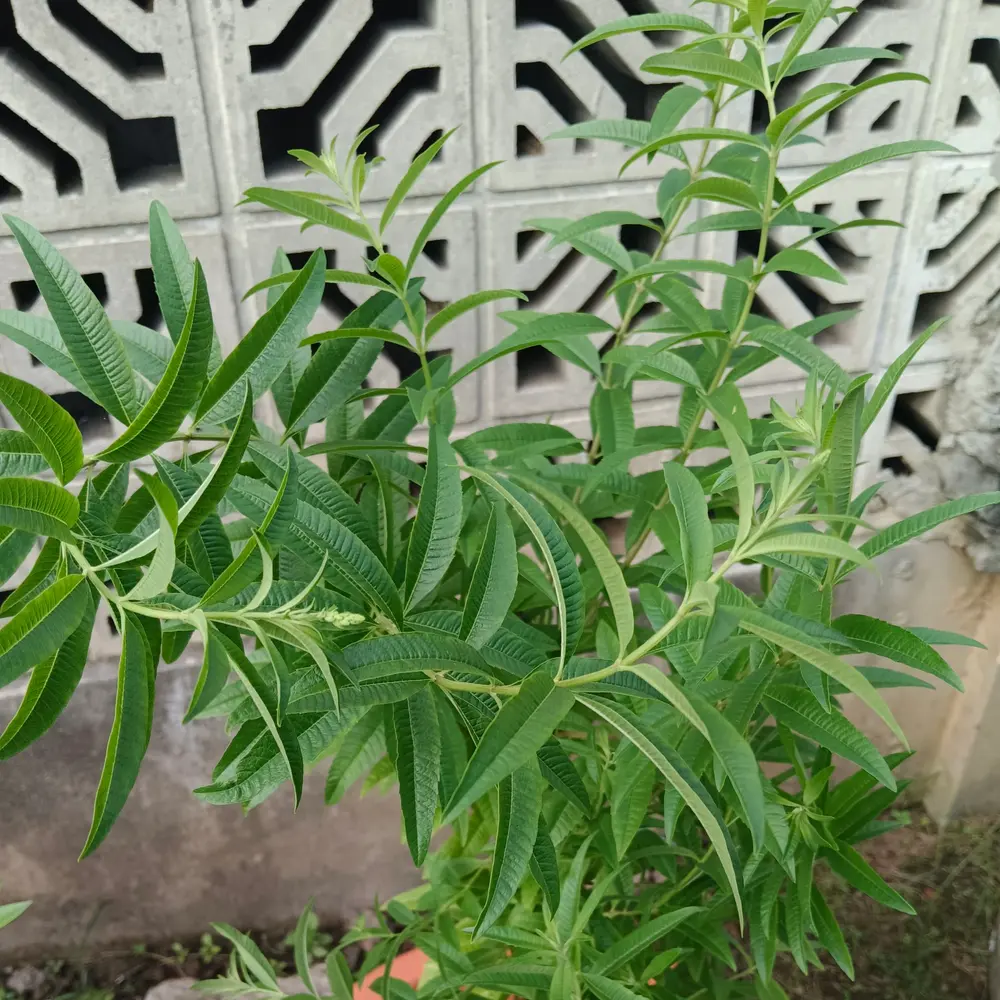
Ultimate Guide to Repotting Almond Verbena 🌰
Aloysia virgata
By the Greg Editorial Team
Oct 12, 2024•6 min read
This article was created with the help of AI so we can cover more plants for you. May contain errors. See one? Report it here.
Unlock your almond verbena's full potential by mastering the signs and steps for successful repotting! 🌱✨
- 🌱 Signs of root bound include yellowing leaves and roots out of drainage holes.
- ⏰ Repot in early spring every 1-2 years for optimal growth.
- 💧 Water thoroughly post-repotting to settle soil and reduce transplant shock.
Signs That Your Plant Needs Repotting
🌱 Indicators of Root Bound Condition
Recognizing when your almond verbena needs repotting is crucial for its health. Here are some clear signs to look for:
Roots Growing Out of Drainage Holes: If you see roots peeking out, it’s a strong indicator that your plant is root bound.
Soil Drying Out Quickly: If the soil dries up faster than usual after watering, your plant may be struggling for space.
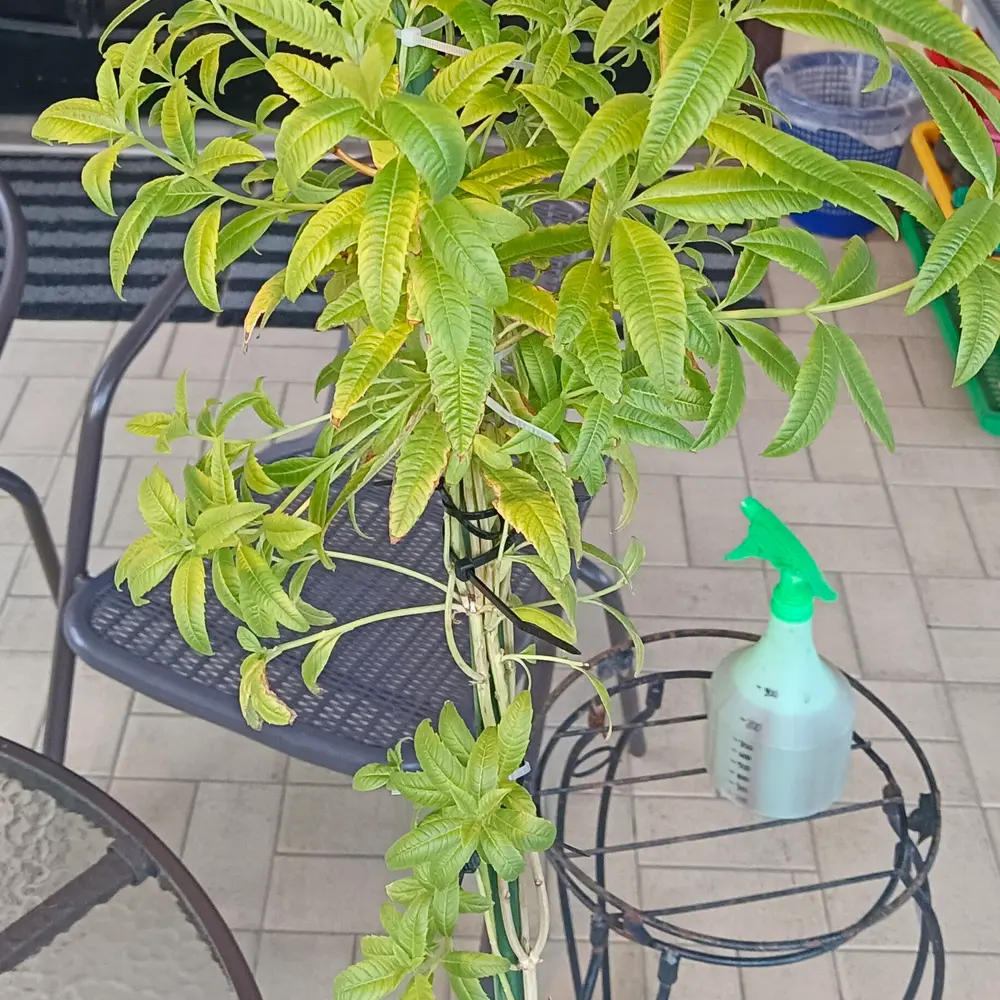
Stunted Growth or Yellowing Leaves: These symptoms often signal that the roots are cramped and unable to absorb nutrients effectively.
Wilting Despite Adequate Watering: If your plant looks droopy even after watering, it might be time for a new pot.
⏰ Timing for Repotting
Timing is everything when it comes to repotting. The best time to repot your almond verbena is early spring, just before new growth begins.
You should aim to repot every 1-2 years or whenever you notice signs of root bound conditions. Keeping an eye on your plant's growth will help you determine the right moment for a fresh start.
With these indicators and timing in mind, you can ensure your almond verbena thrives in its new environment. Next, let’s explore how to assess root health before diving into the repotting process.
How to Assess Root Health Before Repotting
Checking Root Health 🌱
Before you dive into repotting your almond verbena, it’s crucial to assess the health of its roots. Start by gently removing the plant from its pot, taking care not to damage the roots in the process.
Next, inspect the root system closely. Look for healthy, white roots that indicate vitality. If you spot dark, mushy roots, that’s a sign of rot and needs immediate attention.
Volume Assessment 📏
Finally, assess the overall volume of roots in relation to the pot size. A root system that fills the pot can signal that it’s time for a new home. If the roots are cramped, your plant may struggle to thrive, so keep an eye on this aspect as you prepare for repotting.
By understanding the root health, you set the stage for a successful repotting experience. This knowledge will help ensure your almond verbena continues to flourish in its new environment.
Next, let’s explore the step-by-step guide to repotting your plant effectively.
Step-by-Step Guide to Repotting
Repotting your almond verbena can be a rewarding experience. Follow these steps to ensure your plant thrives in its new home.
🛠️ Gather Your Materials
Start by collecting everything you'll need: a new pot, quality potting soil, pruning shears, and gloves. Having these items ready makes the process smoother.
📏 Choose the Right Pot Size
Select a pot that is 1-2 inches larger in diameter than the current one. This extra space allows for healthy root growth without overwhelming the plant.
🥣 Prepare the New Pot
Before planting, ensure the new pot has adequate drainage holes. Adding a layer of gravel or small stones at the bottom enhances drainage and prevents waterlogging.
🌱 Remove the Plant from Its Current Pot
Gently loosen the soil around the edges of the pot. Carefully pull the plant out, taking care not to damage the roots during the process.
✂️ Trim Damaged or Overly Long Roots
Inspect the root system and trim any damaged or excessively long roots using clean, sharp pruning shears. This promotes healthier growth in the new pot.
🪴 Place the Plant in the New Pot
Position the plant in the center of the new pot. Fill in with potting soil, ensuring the root ball is level with the top of the pot for stability.
💧 Water Thoroughly
Finally, water the plant thoroughly to settle the soil and eliminate any air pockets. This step is crucial for helping your almond verbena adjust to its new environment.
By following these steps, you’ll set your almond verbena up for success. Next, let’s explore how to manage transplant shock during this transition.
Managing Transplant Shock During Repotting
🥴 Understanding Transplant Shock
Transplant shock can be a real bummer for your almond verbena. Symptoms include wilting, leaf drop, and slowed growth, which can leave you feeling anxious about your plant's health.
🚀 Mitigation Strategies
To help your plant bounce back, start by watering it well before you repot. This ensures the roots are hydrated and ready for the transition.
Avoid fertilizing immediately after repotting; your plant needs time to adjust. Instead, provide indirect light for a few days to minimize stress and help it acclimate to its new environment.
By taking these simple steps, you can significantly reduce the risk of transplant shock and set your almond verbena up for success. Next, let’s explore the best pot material options to ensure your plant thrives.
Pot Material Options
Choosing the right pot material for your almond verbena can significantly impact its health and growth. Each material has its unique characteristics that can either benefit or hinder your plant.
🌟 Pros and Cons of Each Material
Ceramic
Ceramic pots are visually appealing and provide excellent insulation for roots. However, they can be quite heavy and may retain moisture, which could lead to overwatering.
Plastic
Plastic pots are lightweight and often come with good drainage options, making them easy to handle. On the downside, they are less durable and can heat up quickly in direct sunlight, potentially stressing your plant.
Terracotta
Terracotta pots excel in drainage and are breathable, allowing roots to thrive. Yet, they are prone to cracking and can dry out quickly, requiring more frequent watering.
🥇 Best Practices for Choosing the Right Pot Size and Material
When selecting a pot, aim for one that allows for growth while preventing excessive moisture retention. Additionally, consider your climate and location; for instance, in hotter areas, a terracotta pot may be ideal due to its breathability, while plastic might be better in cooler climates to retain warmth.
By understanding these options, you can make an informed decision that supports your almond verbena's health and growth. Next, let’s explore the ideal soil and drainage practices to ensure your plant thrives in its new home.
Soil and Drainage
🌱 Ideal Potting Soil Mix
Choosing the right potting soil is crucial for your almond verbena's health. A well-draining potting mix enriched with organic matter, such as peat moss and perlite, is ideal.
This combination promotes aeration and moisture retention without becoming soggy. Aim for a soil pH that is slightly acidic to neutral, ideally between 6.0 and 7.0, to support optimal growth.
🚰 Importance of Drainage and How to Ensure It
Proper drainage is essential to prevent root rot and other issues. Always opt for pots with drainage holes to allow excess water to escape.
To further enhance drainage, incorporate materials like perlite or sand into your potting mix. This will help create a balanced environment for your plant's roots.
🌿 How to Amend Soil for Optimal Growth Post-Repotting
After repotting, amending your soil can give your almond verbena a nutrient boost. Adding slow-release fertilizer to the potting mix ensures your plant receives essential nutrients over time.
Consider mixing in compost for an extra layer of nourishment. This not only enriches the soil but also supports beneficial microorganisms that promote healthy root development.
By focusing on the right soil and drainage, you set the stage for your almond verbena to thrive. Next, let’s explore how to manage transplant shock effectively during the repotting process.
⚠️ Safety First
This content is for general information and may contain errors, omissions, or outdated details. It is not medical, veterinary advice, or an endorsement of therapeutic claims.
Always consult a qualified healthcare professional before using any plant as food, medicine, or supplement.
Never eat any plant (or feed one to pets) without confirming its identity with at least two trusted sources.
If you suspect poisoning, call Poison Control (800) 222-1222, the Pet Poison Helpline (800) 213-6680, or your local emergency service immediately.
Spotted an error? Please report it here.
Transform your almond verbena's home with confident repotting 🌱—Greg's tailored reminders and expert tips will guide you every step of the way for a thriving plant!