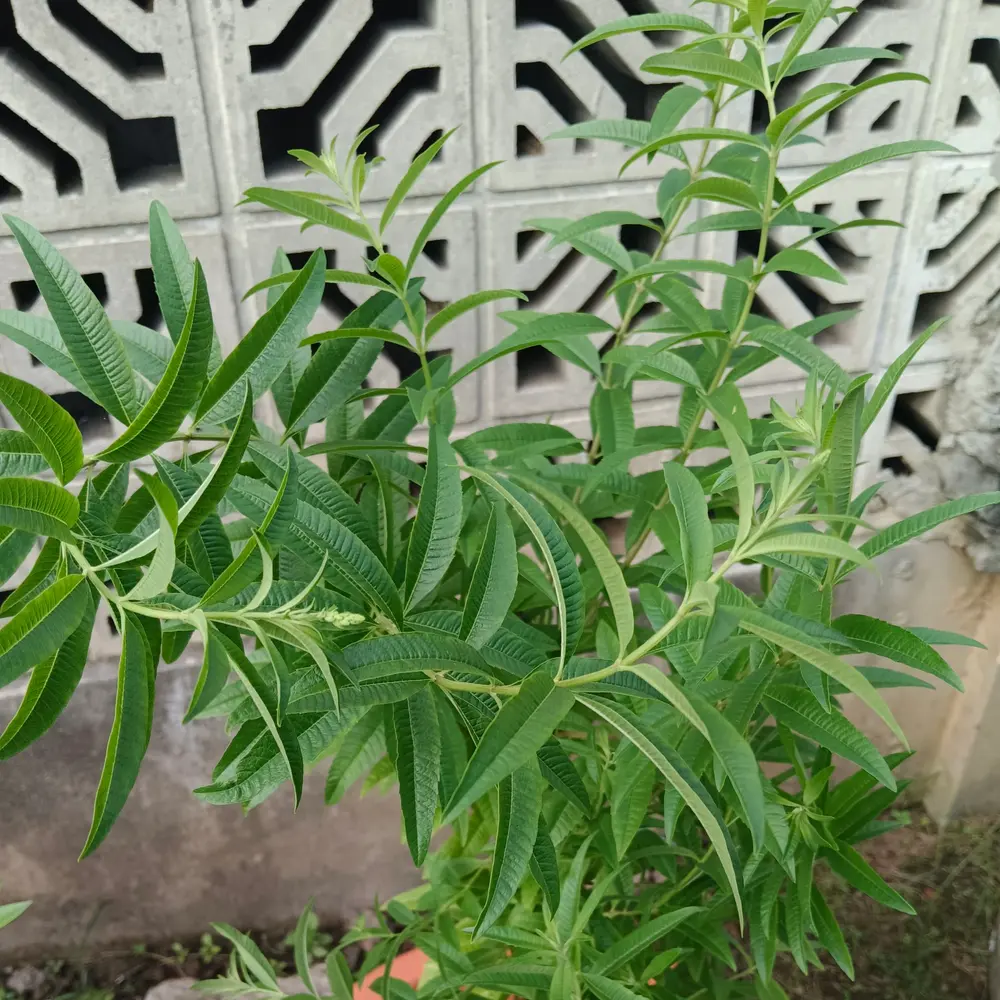
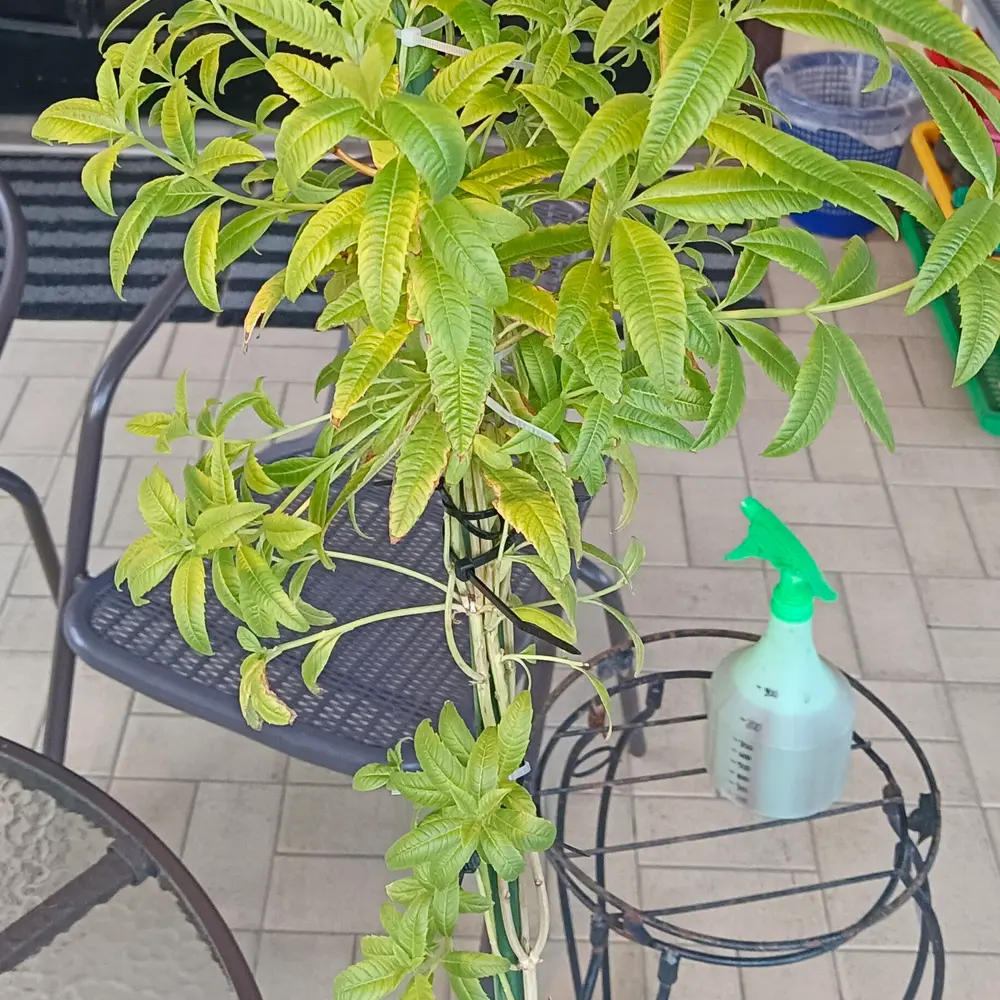
Step-by-Step Guide to Treating Root Rot in Almond Verbena 💧
Aloysia virgata
By the Greg Editorial Team
Oct 12, 2024•5 min read
This article was created with the help of AI so we can cover more plants for you. May contain errors. See one? Report it here.
Rescue your Almond Verbena from root rot 🌱 and ensure a flourishing garden with these essential recovery steps!
- 🌱 Inspect roots regularly to identify healthy versus rotting roots before treatment.
- ✂️ Trim dark, mushy roots with sterilized scissors to prevent further rot spread.
- 💧 Water sparingly and allow soil to dry to avoid overwatering and root rot.
Treating Root Rot
Step-by-Step Treatment Process 🌱
Remove the plant from the pot: Start by gently taking out your Almond Verbena. Be careful not to damage the roots during this process.
Inspect the roots: Look closely at the root system to differentiate between healthy and rotting roots. Healthy roots are firm and white, while rotting ones are dark and mushy.
Trim affected roots: Grab a pair of sterilized scissors and cut away any dark, mushy roots. This step is crucial to prevent further spread of rot.
Clean the pot: Wash the container thoroughly with a bleach solution. This will help eliminate any lingering pathogens that could harm your plant.
Prepare fresh potting mix: Use a well-draining potting mix specifically suited for Almond Verbena. A mix that includes perlite or sand can enhance drainage.
Replant: Position your plant in the new mix, ensuring that the roots are spread out evenly. This helps the plant establish itself more effectively.
Water sparingly: After replanting, allow the soil to dry slightly before the next watering. Overwatering can lead to a recurrence of root rot.
Recommended Fungicides or Treatments 🧪
Use of fungicides: Consider applying a systemic fungicide that is labeled for root rot. This can provide an extra layer of protection against pathogens.
Natural remedies: If you prefer organic options, think about using beneficial microbes or organic fungicides. These can help restore balance to the soil without harsh chemicals.
By following these steps, you can effectively treat root rot in your Almond Verbena and set the stage for a healthy recovery. Next, let’s explore how to prevent root rot from occurring in the first place.
Preventing Root Rot
🌱 Best Soil Practices
To keep your Almond Verbena thriving, start with the right soil composition. A mix of potting soil, perlite, and sand ensures excellent drainage, preventing water from pooling around the roots.
Maintaining the correct soil pH is equally crucial. Aim for a slightly acidic to neutral pH, ideally between 6.0 and 7.0, to create a healthy environment for your plant.
🚰 Watering Techniques to Avoid Overwatering
Establishing a proper watering schedule can make all the difference. Allow the top inch of soil to dry out between waterings to prevent soggy conditions that lead to root rot.
Be vigilant for signs of overwatering. Symptoms like wilting leaves or yellowing foliage can indicate that your plant is receiving too much moisture, prompting you to adjust your care routine.
🕳️ Importance of Pot Drainage
Proper pot drainage is essential for preventing root rot. Ensure your pots have adequate drainage holes to allow excess water to escape, keeping the roots healthy.
Consider elevating your pots using pot feet or trays. This simple step promotes airflow and further reduces the risk of water accumulation, creating a more favorable environment for your Almond Verbena.
By implementing these preventive measures, you can significantly reduce the risk of root rot and keep your plant flourishing. Next, let’s explore how to diagnose root rot effectively.
Diagnosing Root Rot
Symptoms to Look For 🌱
Recognizing root rot early can save your Almond Verbena. Start by checking for wilting leaves; if your plant looks droopy despite regular watering, it’s a red flag.
Next, watch for yellowing foliage. If leaves are turning yellow and dropping off, this could indicate trouble.
Stunted growth is another sign. If your plant isn't producing new growth or is growing slowly, it might be struggling with root issues.
Finally, inspect the roots. Dark, mushy roots are a clear indicator of rot. Healthy roots should be firm and white, so any deviation is concerning.
Diagnostic Methods 🔍
To diagnose root rot effectively, begin with a visual inspection. Carefully check the roots for color and texture; healthy roots should be light and firm.
Next, perform a soil moisture test. Stick your finger into the potting mix to assess moisture levels. If it feels soggy, root rot may be the culprit.
For a thorough evaluation, conduct a root system evaluation. Gently remove the plant from its pot to examine the roots closely. This step will give you a clear picture of the plant's health and help you decide on the next steps.
By identifying these symptoms and employing these diagnostic methods, you can tackle root rot head-on. This proactive approach will set the stage for effective treatment and recovery.
Post-Treatment Care
Signs of Recovery 🌱
After treating root rot, keep an eye out for signs of recovery. Fresh leaves or stems emerging indicate that your Almond Verbena is bouncing back.
Another positive sign is improved color. If the foliage starts returning to a vibrant green, you can feel confident that your plant is on the mend.
Adjusting Care After Treatment 🔄
Once you notice signs of recovery, it's time to adjust your care routine. Gradually reintroduce regular watering practices to avoid overwhelming the plant.
Be cautious with fertilization; it's best to delay this until the plant shows clear signs of recovery. This helps prevent further stress on the roots.
Monitoring Soil Moisture Levels 💧
To ensure your plant thrives, monitoring soil moisture levels is crucial. A soil moisture meter can be a handy tool for accurately gauging moisture levels.
Establish a routine for checking soil conditions. Regular checks will help you maintain the right balance, keeping your Almond Verbena healthy and happy.
As you nurture your plant back to health, remember that patience is key. With the right care, your Almond Verbena will flourish, setting the stage for a thriving garden.
⚠️ Safety First
This content is for general information and may contain errors, omissions, or outdated details. It is not medical, veterinary advice, or an endorsement of therapeutic claims.
Always consult a qualified healthcare professional before using any plant as food, medicine, or supplement.
Never eat any plant (or feed one to pets) without confirming its identity with at least two trusted sources.
If you suspect poisoning, call Poison Control (800) 222-1222, the Pet Poison Helpline (800) 213-6680, or your local emergency service immediately.
Spotted an error? Please report it here.
Revive your Almond Verbena from root rot with these steps, and let Greg's personalized reminders 📅 guide you to thriving plants every time!