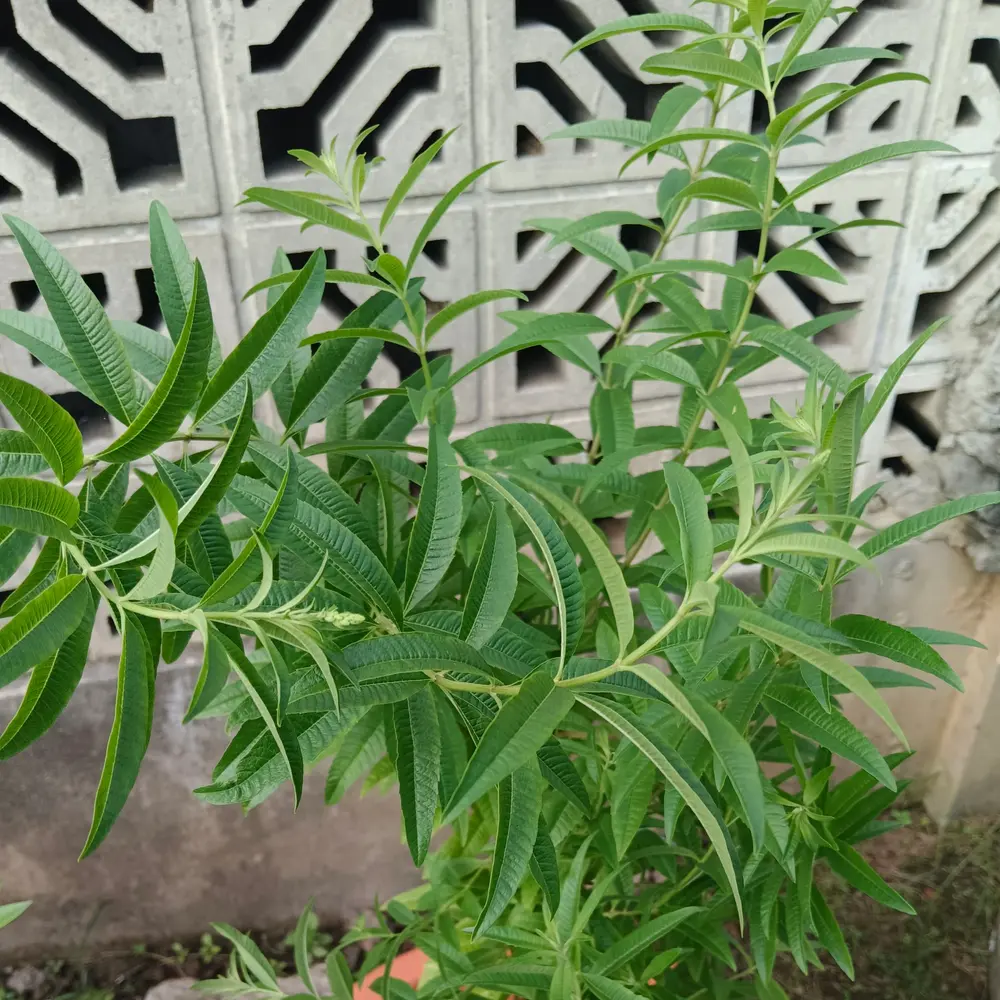
Best Fertilizer for Your Almond Verbena 🌰
Aloysia virgata
By the Greg Editorial Team
Oct 12, 2024•5 min read
This article was created with the help of AI so we can cover more plants for you. May contain errors. See one? Report it here.
Master essential nutrients for stunning almond verbena blooms 🌸 and watch your garden thrive with vibrant colors! 🌱
- 🌱 Almond verbena thrives on N-P-K nutrients; aim for a 5-10-10 ratio.
- 🌿 Organic fertilizers boost soil health; consider compost and well-rotted manure.
- 🕒 Fertilize every 4-6 weeks during the growing season for optimal growth.
Nutrient Requirements Specific to Almond Verbena
Essential Nutrients 🌱
Almond verbena thrives on three key nutrients: nitrogen (N), phosphorus (P), and potassium (K).
- Nitrogen (N) is crucial for promoting lush foliage growth, giving your plant that vibrant green look.
- Phosphorus (P) plays a vital role in root development and blooming, ensuring your almond verbena produces beautiful flowers.
- Potassium (K) enhances overall plant health and boosts disease resistance, making your plant more resilient.
Nutrient Ratios ⚖️
To keep your almond verbena flourishing, aim for a recommended N-P-K ratio of 5-10-10.
This balanced nutrient supply is essential for robust flowering and overall plant vitality. A well-rounded approach ensures your plant receives the right nutrients at the right time, leading to a stunning display of blooms.
Understanding these nutrient requirements will set the stage for choosing the best fertilizers and application techniques, ensuring your almond verbena thrives throughout the growing season.
Best Types of Fertilizers
🌱 Organic vs. Synthetic Fertilizers
When it comes to fertilizing your almond verbena, you have two main options: organic and synthetic fertilizers. Organic choices like compost, well-rotted manure, and organic granular fertilizers enrich the soil and boost microbial activity, creating a thriving ecosystem.
On the other hand, synthetic fertilizers offer quick-release nutrients for immediate availability. They can be a great choice if your plants need a rapid boost, especially during critical growth phases.
⏳ Slow-release vs. Liquid Fertilizers
Next, consider the type of fertilizer application. Slow-release fertilizers gradually feed your plants over time, making them ideal for long-term nourishment. This method helps maintain consistent nutrient levels, which is crucial for healthy flowering.
In contrast, liquid fertilizers act fast, providing a quick nutrient boost when your almond verbena needs it most, particularly during blooming. They’re perfect for those moments when your plants seem to be craving a little extra love.
🏷️ Recommended Fertilizer Brands
Not all fertilizers are created equal, so choosing the right brand can make a significant difference. Look for brands known for their effectiveness in flowering plants, such as Miracle-Gro, Espoma, and Jobe’s Organics.
When comparing brands, consider factors like nutrient content, release time, and ease of application. This will help you find the perfect match for your almond verbena, ensuring vibrant blooms and robust growth.
With the right fertilizer in hand, you’re well on your way to nurturing your almond verbena. Next, let’s explore the best fertilization schedule to keep your plants thriving throughout the growing season.
Fertilization Schedule
🌱 When to Fertilize
Seasonal Considerations
Early spring marks the perfect time for your first fertilization. As growth resumes, this initial boost helps your almond verbena thrive.
Mid-summer is another critical period for additional feeding. This supports blooming and ensures your plants remain vibrant and healthy.
Growth Stages and Timing
Fertilizing during active growth phases maximizes nutrient absorption. Pay attention to your local climate and adjust your schedule accordingly for optimal results.
📅 How Often to Fertilize
Frequency Based on Growth Conditions
A general guideline is to fertilize every 4-6 weeks during the growing season. However, you should adjust this frequency based on soil quality and the overall health of your plants.
Regular monitoring will help you fine-tune your fertilization schedule. This ensures your almond verbena receives just the right amount of nutrients for robust growth.
With a solid fertilization plan in place, your plants will be set up for success. Next, let’s explore the best application techniques to maximize those nutrients.
Application Techniques
How to Apply Fertilizer 🌱
Best Practices for Soil Application
Applying fertilizer correctly is crucial for your almond verbena's health. Start by evenly distributing granular fertilizers around the base of the plant, ensuring coverage without piling it directly against the stem.
After spreading the fertilizer, lightly water the area. This step activates the nutrients, allowing them to penetrate the soil and reach the roots effectively.
Foliar Feeding Techniques
Foliar feeding can give your almond verbena a quick nutrient boost. Timing is key; apply during the cooler parts of the day to prevent leaf burn from the sun.
When preparing your liquid fertilizer solution, follow the recommended dilution ratios. This ensures your plants receive the right concentration without overwhelming them.
Tools and Equipment 🛠️
Using the right tools makes fertilization easier and more effective. A hand trowel, measuring cups, and a watering can are essential for precise application.
Always keep your tools clean to prevent contamination. This simple practice helps maintain the health of your plants and soil.
With these application techniques in mind, you're well on your way to nurturing vibrant almond verbena. Next, let’s explore how to avoid over-fertilization and its potential pitfalls.
Avoiding Over-Fertilization
🚩 Signs of Over-Fertilization
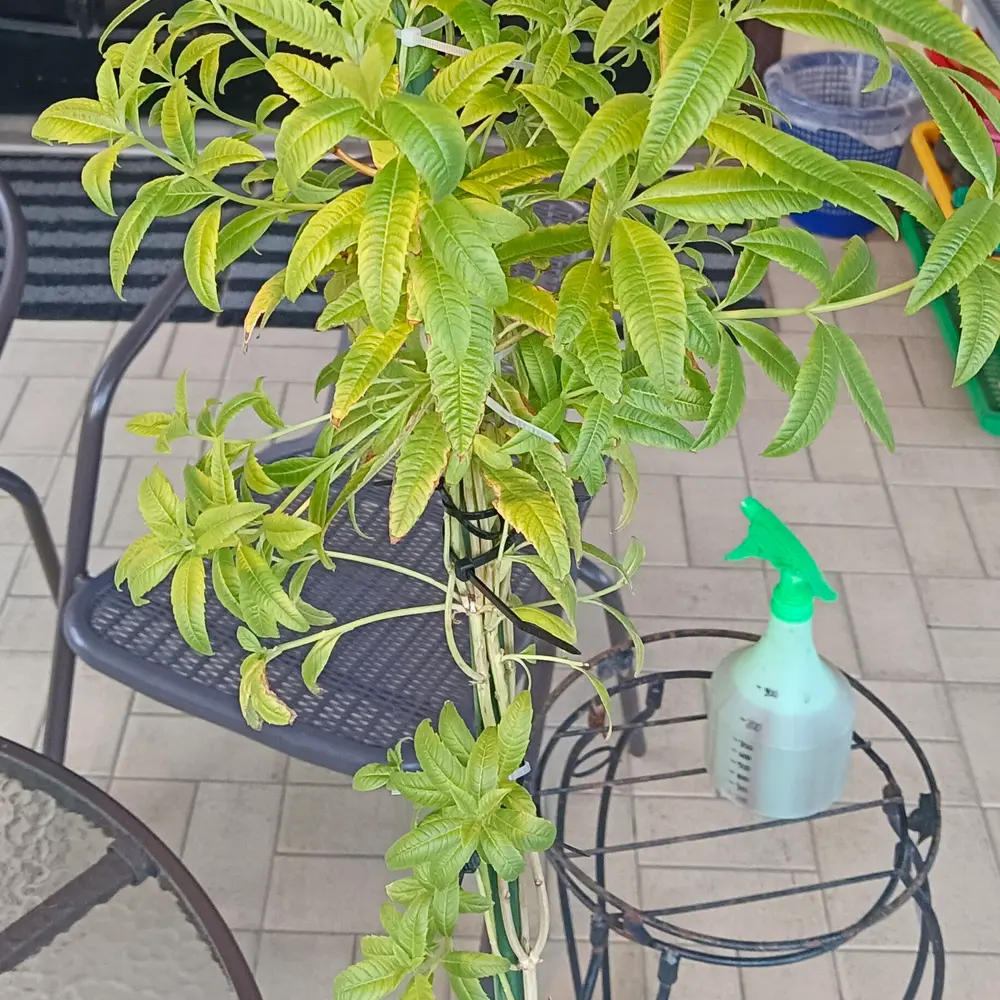
Over-fertilization can lead to several distress signals in your almond verbena. Look out for yellowing leaves, stunted growth, and reduced blooming, which indicate that your plant is overwhelmed by excess nutrients.
Long-term effects can be even more concerning. Soil degradation and plant stress can occur, making it crucial to address the issue promptly.
🔧 How to Correct Over-Fertilization Issues
If you suspect over-fertilization, immediate action is essential. Flushing the soil with water can help dilute excess nutrients, providing relief to your stressed plant.
After flushing, monitor your plant's recovery closely. Adjusting care practices, such as reducing fertilizer application, can support a healthier rebound.
🛡️ Best Practices to Prevent Over-Fertilization
To avoid over-fertilization in the first place, regular soil testing is key. This helps determine nutrient levels and ensures you're not applying more than necessary.
Additionally, always follow recommended application rates and schedules. This simple practice can save you from the headaches of over-fertilization and keep your almond verbena thriving.
With these strategies in place, your plants will flourish without the risk of nutrient overload. Next, let’s explore effective application techniques to ensure your fertilization efforts are successful.
⚠️ Safety First
This content is for general information and may contain errors, omissions, or outdated details. It is not medical, veterinary advice, or an endorsement of therapeutic claims.
Always consult a qualified healthcare professional before using any plant as food, medicine, or supplement.
Never eat any plant (or feed one to pets) without confirming its identity with at least two trusted sources.
If you suspect poisoning, call Poison Control (800) 222-1222, the Pet Poison Helpline (800) 213-6680, or your local emergency service immediately.
Spotted an error? Please report it here.
Keep your almond verbena blooming beautifully 🌼 by using Greg's tailored fertilization reminders and nutrient tracking to ensure it gets the perfect balance of nutrients all season long!