✂️ 5 Tips for Pruning Almond Verbena
Aloysia virgata
By the Greg Editorial Team
Oct 12, 2024•4 min read
This article was created with the help of AI so we can cover more plants for you. May contain errors. See one? Report it here.
Unlock vibrant growth in your almond verbena 🌱 with expert pruning tips for a flourishing garden all season long!
- 🌱 Prune almond verbena in spring for fresh growth after the last frost.
- ✂️ Light fall pruning tidies up and removes dead branches for better health.
- 🌼 Regular deadheading every 2-3 weeks extends blooms and promotes vitality.
Timing for Pruning
Best Seasons for Pruning 🌸
Spring is the prime time for pruning almond verbena. This season is perfect for shaping the plant and encouraging fresh growth, especially after the last frost has passed.
In the fall, consider light pruning to tidy up your plant before winter sets in. Focus on removing any dead or damaged branches to keep your almond verbena healthy.
Signs That Indicate When to Prune 🔍
Watch for new growth emerging, as this signals that your plant is ready for shaping. If you notice that flowering has diminished, it’s time to deadhead and prune for rejuvenation.
Leggy growth is another clear indicator that corrective pruning is necessary. Addressing these signs promptly will help maintain the vitality of your almond verbena.
With the right timing and attention to these signs, you can ensure your plant thrives beautifully. Next, let’s explore the essential practice of deadheading to maximize your plant's blooming potential.
Deadheading
🌼 Benefits and Rationale
Deadheading is a simple yet effective practice that can significantly enhance your almond verbena's performance. By removing spent blooms, you not only extend the blooming period but also prevent self-seeding, ensuring your plant maintains its desired growth.
✂️ Step-by-Step Instructions
- Identify spent flowers: Look for wilted or brown blooms that no longer contribute to the plant's beauty.
- Use sharp shears: Cut just above the first set of healthy leaves to encourage new growth.
- Dispose of cuttings: Properly remove debris to prevent the spread of diseases.
⏰ Timing for Deadheading
For the best results, deadheading should be done regularly throughout the growing season. Aim to deadhead every 2-3 weeksconsistent moistured water the plant regularlying its besoverwateringporating these deadheading techniques, you'll light fertilizationhealthier plant but also enjoy a more vibrant garden. Next, let’s explore some common pruning mistakes to avoid for optimal plant health.
Common Pruning Mistakes
✂️ Over-Pruning and Its Effects
Over-pruning can be a gardenerwiltingt nightmarediscoloration much can lead to stunted growth and reduced flowering, leaving your arecoveryrbena looking sparse.
Additionally, excessive pruning incNew leaf growtht's vulnerability to pests and diseases. A healthy balance is key to maintaining vitality.
⏰ Not Pruning at the Right Time
Timing is everything when it comes to pruning. If you prune too late in the season, you risk losing blooms that could have brightened your garden.
Pruning during dormancy can also stress the plant. It’s crucial to know when to make your cuts for the best results.
🌱 Ignoring Plant Growtalmond verbenaerstanding your plant's growth habits is essential. Recognizing its natural shape and size helps guide your pruning decisions effectively.rounded or cascading form the plant's natural form. This awareness will lead to healthier, more aesthetically pleasing growth.
By steering clear of these common mistakes, you can ensure your almond verbena thrives beautifully. Next, let’s explore how to care for your plant after pruning to support its recovery.
Post-Pruning Care
How to Care After Pruning 🌱
After pruning your almond verbena, proper care is essential for its recovery. Start by ensuring consistent moisture; water the plant regularly but avoid overwatering, which can lead to root rot.
Next, consider light fertilization. A balanced fertilizer will provide the nutrients needed to support new growth and help the plant bounce back.
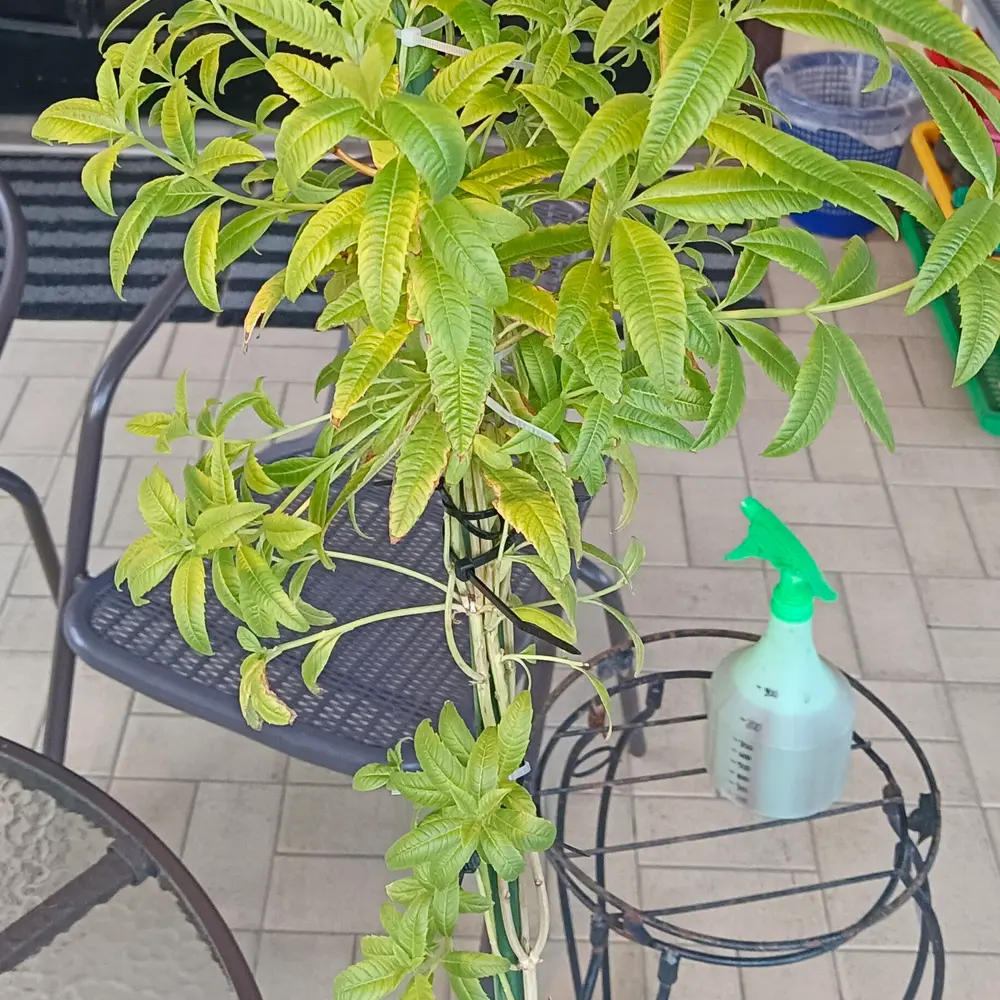
Signs of Stress garden's beautyIt's important to monitor your plant for signs of stress after pruning. Look out for wilting leaves or discoloration, which can indicate that the plant is struggling.
On the flip side, recovery signs are a good indication that your plant is thriving. New leaf growth within a few weeks and increased flowering as the season progresses are positive signals that your almond verbena is on the mend.
By keeping an eye on these indicators, you can ensure your plant remains healthy and vibrant. This attention to detail will set the stage for the next phase of your gardening journey.
Pruning for Aesthetic Appeal
✂️ Shaping for Visual Impact
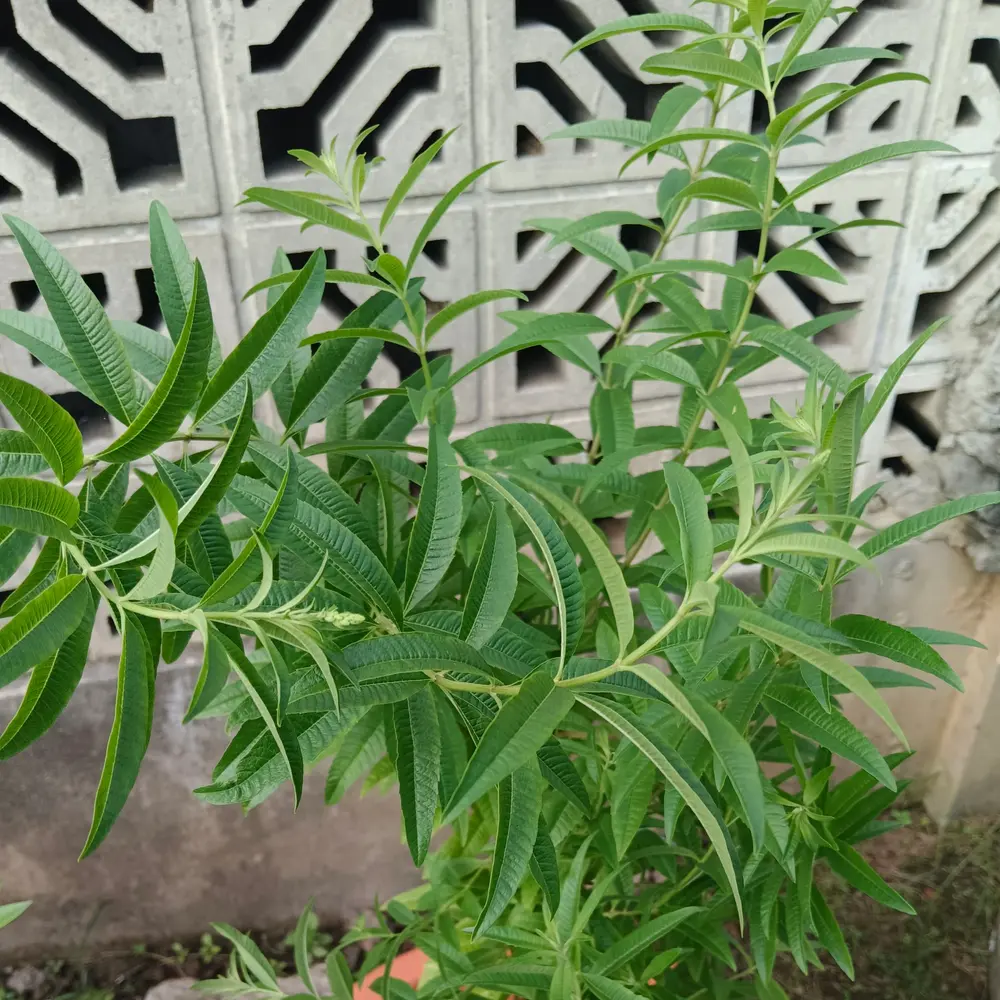
Achieving the perfect shape for your almond verbena can transform your garden. One effective technique is pinching back the tips, which encourages a fuller, bushier appearance.
Creating a rounded or cascading form can enhance your garden design. Consider the overall layout and how the plant's shape complements other elements in your space.
🎨 Balancing Growth and Aesthetics
Regular maintenance is key to keeping your almond verbena healthy and visually appealing. Consistent pruning not only promotes growth but also ensures the plant maintains its attractive shape.
Adjust your pruning techniques based on seasonal growth patterns. This adaptability will help you achieve a balance between aesthetics and the plant's natural growth tendencies, resulting in a thriving, beautiful addition to your garden.
As you refine your pruning skills, you'll find that a little attention goes a long way in enhancing your garden's beauty. Next, let’s explore how to care for your plants after pruning to ensure they thrive.
⚠️ Safety First
This content is for general information and may contain errors, omissions, or outdated details. It is not medical, veterinary advice, or an endorsement of therapeutic claims.
Always consult a qualified healthcare professional before using any plant as food, medicine, or supplement.
Never eat any plant (or feed one to pets) without confirming its identity with at least two trusted sources.
If you suspect poisoning, call Poison Control (800) 222-1222, the Pet Poison Helpline (800) 213-6680, or your local emergency service immediately.
Spotted an error? Please report it here.
Transform your almond verbena into a blooming beauty 🌼 by using Greg's tailored reminders to prune at just the right time for vibrant growth!