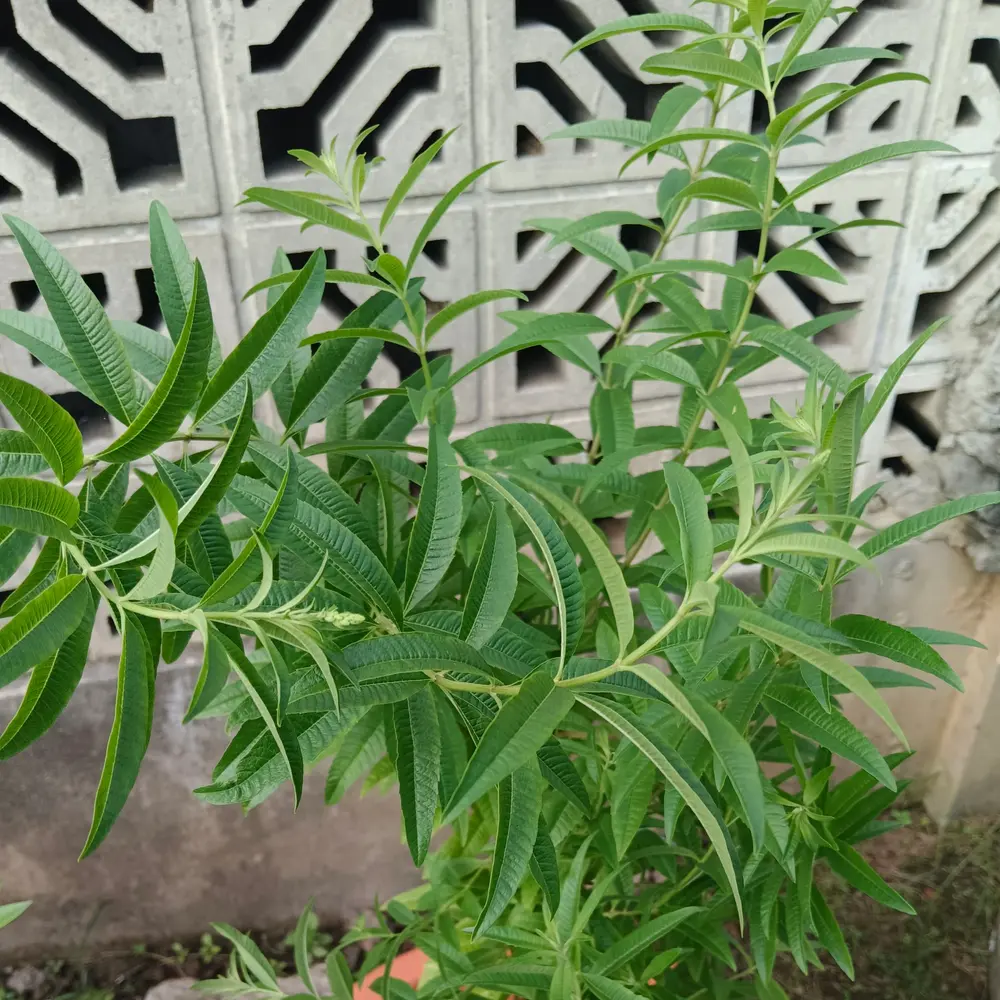
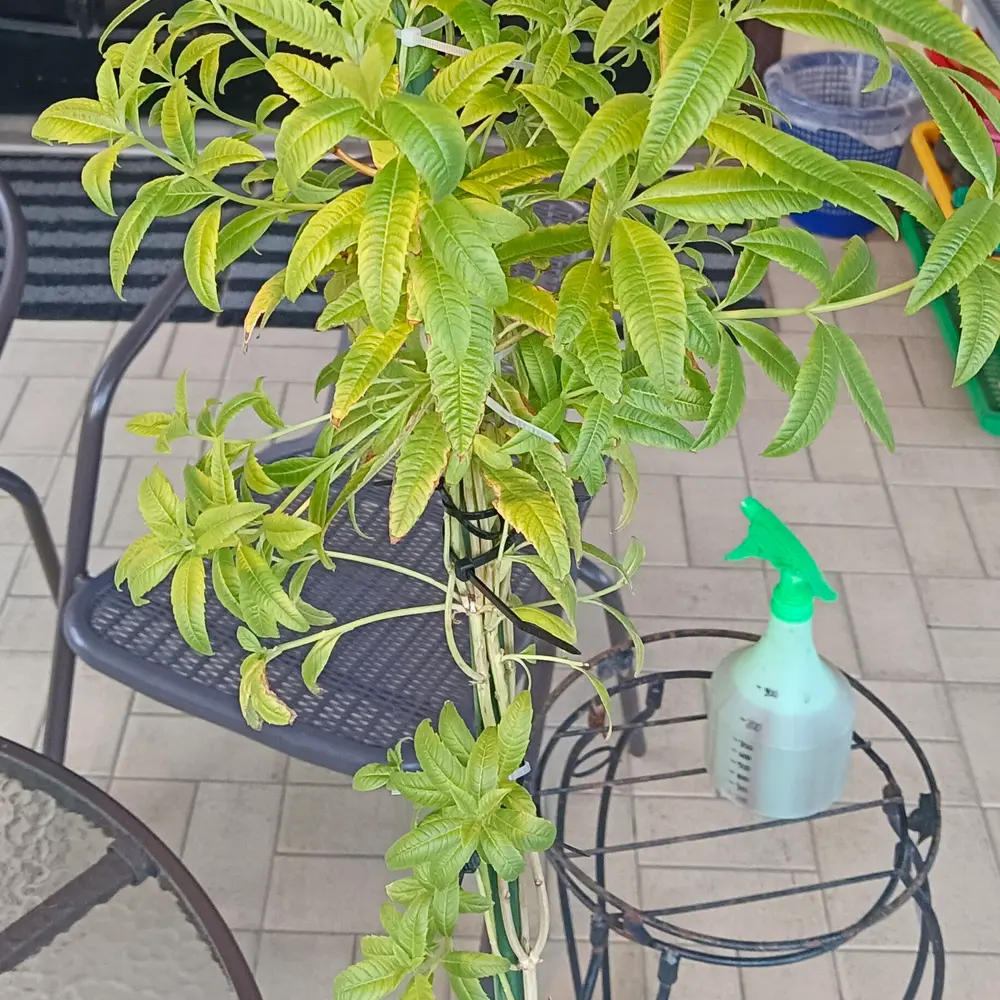
4 Facts About Sweet Almond Bush Pollination 🐝
Aloysia virgata
By the Greg Editorial Team
Sep 28, 2024•6 min read
This article was created with the help of AI so we can cover more plants for you. May contain errors. See one? Report it here.
Unlock the secrets of the Sweet Almond Bush 🌸 and its stunning flowers that attract essential pollinators for your garden!
- 🌼 Sweet Almond Bush attracts bees, butterflies, and hummingbirds for effective pollination.
- 🌱 Cross-pollination boosts seed production, enhancing genetic diversity and plant health.
- 🐝 Creating a pollinator-friendly garden supports these vital species and improves ecosystem health.
Flower Structure
Description of Flower Characteristics 🌸
The Sweet Almond Bush boasts tubular, fragrant flowers that are typically clustered together. Their colors range from white to pale lavender, making them highly visible to pollinators.
These clusters not only enhance the plant's aesthetic appeal but also increase its attractiveness to visiting insects and birds. The arrangement of flowers plays a crucial role in drawing in pollinators.
Role of Flower Structure in Pollination 🐝
The tubular shape of the flowers is specifically designed to attract certain pollinator species, such as bees and hummingbirds. This unique structure encourages these creatures to visit, ensuring effective pollen transfer.
Moreover, the clustered arrangement of the flowers significantly boosts the chances of pollinator visits. This design enhances the overall efficiency of pollen transfer, vital for the plant's reproductive success.
As we delve deeper into the pollination process, understanding these flower characteristics will illuminate how they contribute to the plant's lifecycle.
Pollination Process
Self-Pollination vs. Cross-Pollination 🌼
The Sweet Almond Bush primarily thrives on cross-pollination for its reproductive success. While some self-pollination can occur, the plant's design favors interactions with various pollinators.
Identification of Primary Pollinators 🐝
This bush attracts a vibrant array of pollinators.
- Bees: Various bee species flock to collect nectar and pollen, playing a crucial role in the pollination process.
- Butterflies: The colorful blooms draw butterflies, which help transfer pollen as they flit from flower to flower.
- Hummingbirds: The tubular shape of the flowers is particularly enticing to hummingbirds, making them effective pollinators.
How the Plant Attracts Pollinators 🌸
The Sweet Almond Bush employs several strategies to attract its pollinators.
- Fragrance: The strong scent of its flowers acts like a beacon, drawing in pollinators from afar.
- Nectar Production: By providing a rich food source, the plant encourages frequent visits, ensuring effective pollen transfer.
Understanding these elements of the pollination process highlights the interconnectedness of plants and their pollinators. This relationship is vital for the health of ecosystems and the production of seeds and fruits. Next, we’ll explore the natural mechanisms that facilitate pollen transfer in this fascinating cycle.
Natural Pollination Mechanisms
🌼 Pollen Transfer Mechanisms
Pollination is a dynamic process, primarily facilitated by pollinators moving from flower to flower. As they collect nectar, they inadvertently transfer pollen, ensuring the continuation of plant life.
Key mechanisms include:
- Direct Contact: Pollinators brush against flower parts while feeding, picking up pollen.
- Pollen Transfer: Pollen moves from the anthers, where it's produced, to the stigma, the receptive part of another flower.
🌱 Importance of Pollination
Successful pollination is crucial for seed and fruit production, forming the backbone of the plant's lifecycle.
Moreover, cross-pollination enhances genetic diversity, which is vital for resilience and adaptability in changing environments. This diversity not only strengthens the plant but also supports the broader ecosystem, making it a win-win for nature.
Understanding these mechanisms underscores the importance of protecting our pollinators and their habitats. As we delve deeper into the next section, we'll explore how to support these essential creatures in our gardens and communities.
Hand Pollination ((difficulty:moderate))
Step-by-Step Instructions
Hand pollination can be a rewarding way to ensure your Sweet Almond Bush thrives. Here’s how to do it effectively.
Identify Male and Female Flower Parts:
Start by locating the male parts, known as anthers, which produce pollen. The female part, the stigma, is where the pollen needs to land.Collecting Pollen:
Use a small brush or cotton swab to gently gather pollen from the anthers. This step is crucial for ensuring you have enough pollen for transfer.Transferring Pollen:
Carefully apply the collected pollen to the stigma of another flower. This direct contact is essential for successful pollination.Timing:
Aim to perform this process during peak blooming periods. This timing maximizes the chances of successful fertilization and fruit production.
Hand pollination not only helps in the reproduction of your Sweet Almond Bush but also deepens your connection to the plant. By taking these steps, you contribute to its lifecycle and enjoy the beauty it brings.
🌼 Why Hand Pollination Matters
Hand pollination can be especially beneficial in areas where natural pollinators are scarce. It ensures that your plants receive the necessary pollen for fruit and seed production.
As you engage in this process, you’ll likely find a sense of satisfaction in nurturing your plants. This hands-on approach fosters a deeper appreciation for the intricate world of pollination.
🐝 Transition to Supporting Pollinators
Now that you understand how to hand pollinate, let’s explore how to create a pollinator-friendly environment. This will not only benefit your Sweet Almond Bush but also support a diverse range of pollinators in your garden.
Supporting Pollinators
🌼 Creating a Pollinator-Friendly Environment
To support pollinators, plant a diverse array of flowering plants. This ensures continuous blooms throughout the growing season, providing essential food sources.
Avoid using pesticides that can harm beneficial pollinator species. Instead, opt for natural pest control methods to maintain a healthy ecosystem.
🌱 Companion Plants
Companion planting can significantly enhance your garden's appeal to pollinators. Here are some excellent choices:
- Lavender: Its fragrant blooms attract bees and butterflies, making it a favorite among pollinators.
- Marigolds: These vibrant flowers are known to draw in various pollinator species, adding color and life to your garden.
- Coneflowers: They provide a rich nectar source, particularly for bees and butterflies, ensuring a steady flow of visitors.
By incorporating these plants, you create a welcoming environment for pollinators, enhancing both biodiversity and your garden's beauty.
As you cultivate this pollinator-friendly space, consider how your efforts contribute to the larger ecosystem. Every flower you plant plays a role in supporting these vital creatures.
Pollination Challenges
Common Obstacles 🌪️
Pollination faces several challenges that can hinder the reproductive success of plants like the Sweet Almond Bush. Environmental factors, such as temperature fluctuations and humidity, can significantly impact pollinator activity.
Urban areas often lack natural pollinators, creating a barrier for effective pollination. This scarcity can lead to reduced fruit and seed production, affecting plant populations.
Solutions 🌼
To combat these challenges, planting diverse flora is essential. A variety of flowering plants can attract a wider range of pollinators, ensuring that they have food sources throughout the growing season.
Additionally, providing water sources and shelter can create a welcoming environment for pollinators. Simple changes in your garden can make a big difference.
Impact of Environmental Factors 🌡️
High temperatures can deter pollinator activity, making it crucial to monitor local weather conditions. Excessive humidity can also affect pollen viability, leading to unsuccessful fertilization.
Seasonal variations in flowering and pollination are influenced by climate and environmental conditions. Understanding these factors can help gardeners and plant enthusiasts better support their pollination efforts.
By addressing these challenges, we can enhance the health of our ecosystems and ensure the success of plants like the Sweet Almond Bush.
⚠️ Safety First
This content is for general information and may contain errors, omissions, or outdated details. It is not medical, veterinary advice, or an endorsement of therapeutic claims.
Always consult a qualified healthcare professional before using any plant as food, medicine, or supplement.
Never eat any plant (or feed one to pets) without confirming its identity with at least two trusted sources.
If you suspect poisoning, call Poison Control (800) 222-1222, the Pet Poison Helpline (800) 213-6680, or your local emergency service immediately.
Spotted an error? Please report it here.
Boost your garden's pollination success 🌿 with Greg's tailored advice on attracting bees and butterflies, ensuring your Sweet Almond Bush flourishes!