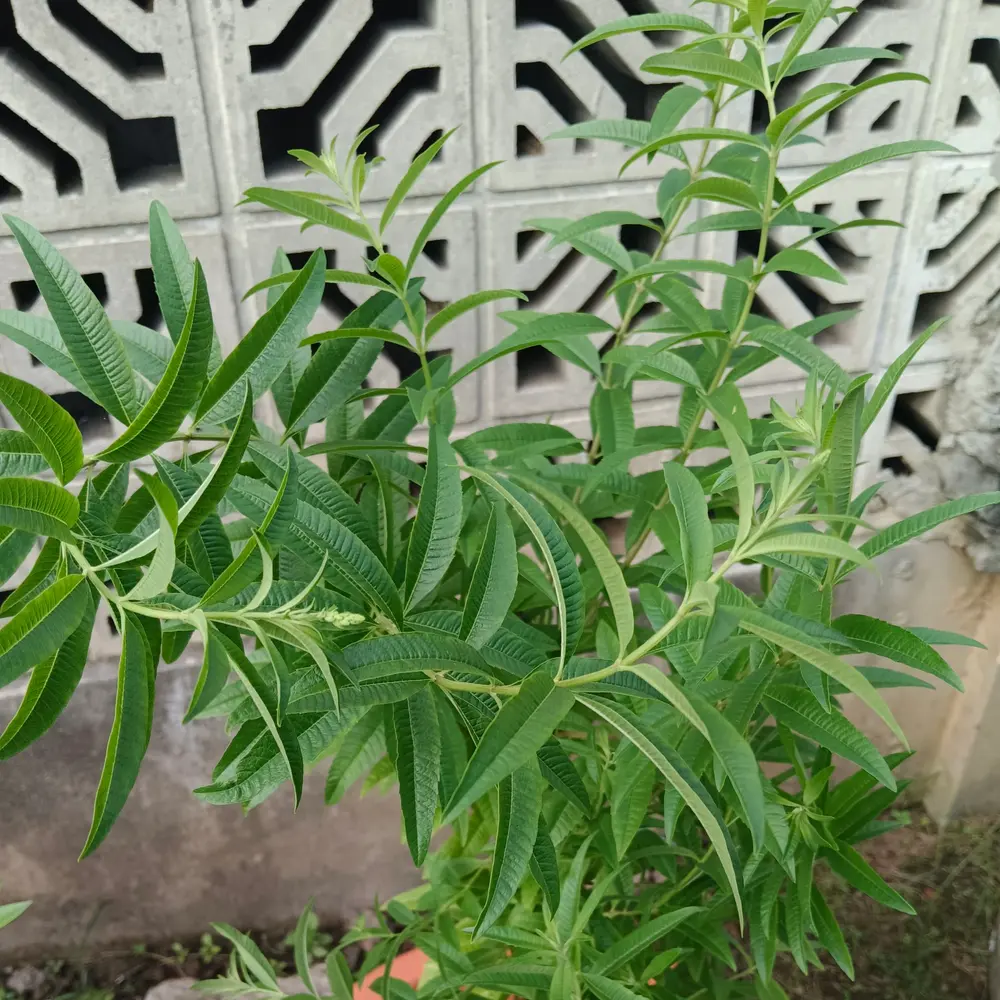
Best Humidity Levels for Sweet Almond Bush 💧
Aloysia virgata
By the Greg Editorial Team
Sep 28, 2024•5 min read
This article was created with the help of AI so we can cover more plants for you. May contain errors. See one? Report it here.
Unlock vibrant blooms 🌼 by mastering humidity for your Sweet Almond Bush—your garden will thank you all year round!
- 🌬️ Ideal humidity for Sweet Almond Bush is 40% to 60% for optimal growth.
- 🌱 Low humidity causes wilting and browning; maintain moisture to prevent stress.
- 💧 Monitor humidity regularly to avoid diseases like mold and root rot.
Ideal Humidity Range for Optimal Growth
Maintaining the right humidity levels is crucial for the health of your Sweet Almond Bush. The recommended relative humidity range is between 40% to 60%.
🌬️ Effects of Maintaining Humidity
Keeping humidity within this range significantly boosts plant vigor. Healthy humidity levels promote lush foliage and abundant flowering, making your garden a vibrant oasis.
📅 Seasonal Adjustments to Humidity Needs
As the seasons change, so do the humidity requirements of your plants. In winter, indoor air can become dry, while summer often brings higher moisture levels, necessitating adjustments to your care routine.
Understanding these shifts helps you tailor your approach, ensuring your Sweet Almond Bush thrives year-round. By observing your plant's responses, you can fine-tune your humidity management for optimal growth.
Next, let’s explore the effects of low and high humidity on your Sweet Almond Bush.
Effects of Low and High Humidity
🌵 Low Humidity Effects
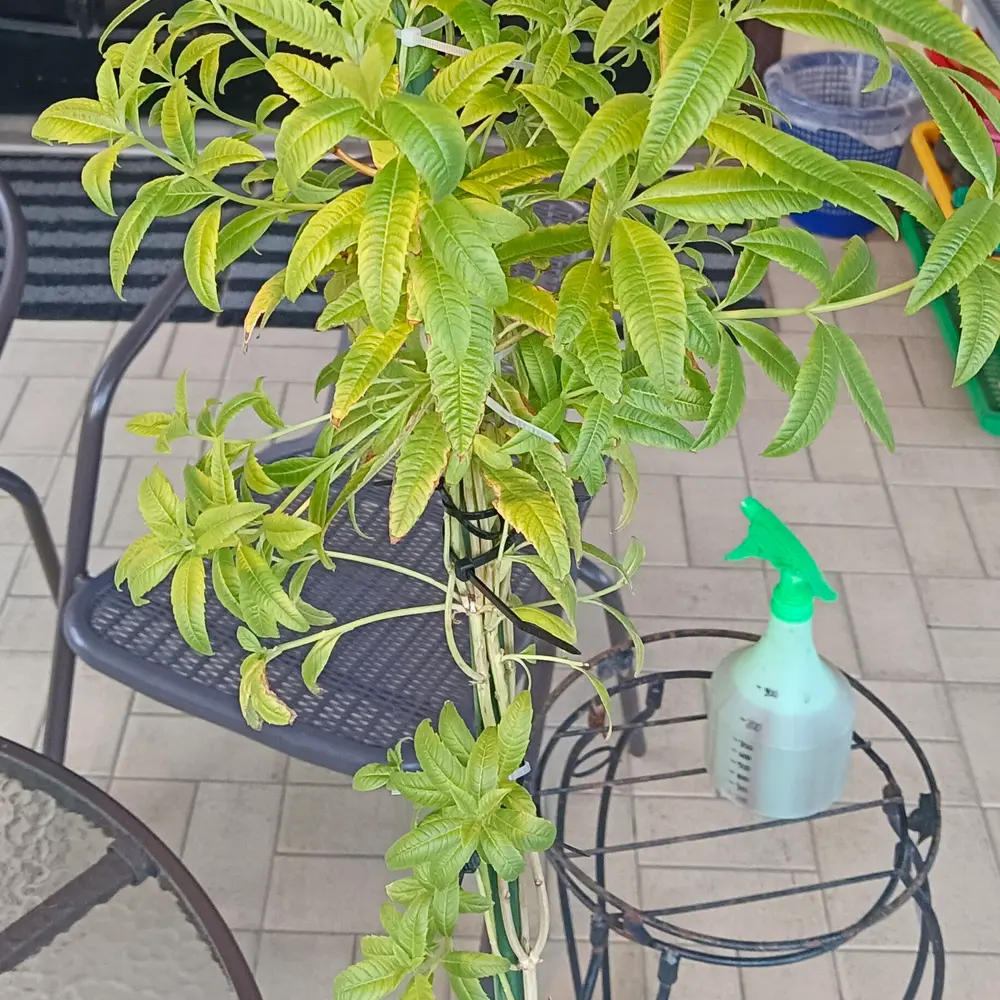
Low humidity can be a real challenge for your Sweet Almond Bush. Symptoms often include wilting leaves and browning tips, which can be alarming.
Over time, inadequate humidity leads to stunted growth and reduced flowering. This can significantly affect the plant's overall health and aesthetic appeal.
To mitigate these effects, consider increasing humidity through methods like misting or using a humidifier. Grouping plants together can also help create a more humid microenvironment.
🌧️ High Humidity Effects
On the flip side, excessive humidity can cause its own set of problems. Look out for symptoms like leaf mold and fungal infections, which can quickly become a nightmare for your plants.
High humidity also raises the risk of root rot and other moisture-related diseases. Regularly monitoring humidity levels is crucial to prevent stress on your Sweet Almond Bush.
Balancing humidity is key to keeping your plant thriving. Understanding these effects helps you take proactive steps to maintain an ideal environment.
Next, let’s explore local humidity considerations and how to assess your specific conditions.
Local Humidity Considerations
🌧️ Assessing Local Humidity Conditions
Understanding your local humidity is crucial for the health of your Sweet Almond Bush. You can easily determine humidity levels using weather apps or local climate data.
Microclimates also play a significant role. Areas in your home or garden may have different humidity levels due to factors like shade, sunlight, and wind exposure.
🌦️ Seasonal Variations and Adaptation
Humidity levels fluctuate with the seasons. Expect winter to bring dryness, while summer often results in higher moisture levels.
Adapting your watering schedule to these changes is essential. Pay attention to how your plants respond to humidity shifts, as this can guide your care routine effectively.
Strategies for Managing Humidity
🌧️ Boosting Humidity
Using Humidifiers
Humidifiers can be a game-changer for maintaining the right moisture levels for your Sweet Almond Bush. Look for models that are specifically designed for plant care, as they often have settings tailored to keep humidity between 40% and 60%.
Aim to set your humidifier to a moderate level, typically around 50%. This will help create a comfortable environment that promotes healthy growth without overwhelming your plants.
Grouping Plants Together
Clustering plants can significantly enhance humidity retention. When plants are grouped, they create a microenvironment that traps moisture, benefiting all the plants involved.
For Sweet Almond Bush, aim for a spacing of about 12 to 18 inches between each plant. This allows for adequate airflow while still maximizing humidity.
Pebble Trays and Water Features
Creating pebble trays is a simple yet effective way to boost humidity. Fill a shallow tray with pebbles and add water until it just touches the bottom of the pots. As the water evaporates, it will increase the humidity around your plants.
Indoor water features can also be beneficial. A small fountain not only adds aesthetic appeal but also helps maintain moisture levels in the air.
🌬️ Reducing Humidity
Proper Air Circulation
Good airflow is crucial in preventing mold and mildew, especially in high-humidity environments. Ensure your plants have enough space and consider using fans to improve circulation.
Position fans to create a gentle breeze around your plants. This will help keep the air moving and reduce the risk of moisture-related issues.
Avoiding Overwatering
Overwatering can lead to excessive humidity, which can be detrimental to your Sweet Almond Bush. Look for signs like yellowing leaves or soggy soil, which indicate that you might be giving your plants too much water.
To maintain ideal moisture levels, water your Sweet Almond Bush only when the top inch of soil feels dry. This practice helps prevent waterlogging and keeps humidity in check.
By implementing these strategies, you can create a balanced environment that supports the health and vigor of your Sweet Almond Bush. Next, let’s explore common humidity-related issues and how to tackle them effectively.
Common Humidity-Related Issues
🌬️ Signs of Inadequate Humidity
When humidity levels drop, your Sweet Almond Bush will show clear signs of distress. Look out for leaf curling, drooping, and discoloration as immediate indicators of inadequate moisture.
These visual symptoms often accompany behavioral changes, such as reduced growth and fewer flowers. If you notice these signs, it’s time to take action.
💧 Solutions for Humidity-Related Problems
For quick fixes to low humidity, consider misting your plants regularly. This simple method can provide a temporary boost in moisture.
You can also use humidity trays filled with water and pebbles to create a more stable environment. For long-term solutions, focus on maintaining consistent humidity levels through proper plant care and monitoring.
Adjust your watering schedule based on seasonal changes and local conditions. Observing your plant's responses will help you fine-tune your approach.
By staying proactive, you can ensure your Sweet Almond Bush thrives in the right humidity conditions. Next, let’s explore effective strategies for managing humidity levels.
⚠️ Safety First
This content is for general information and may contain errors, omissions, or outdated details. It is not medical, veterinary advice, or an endorsement of therapeutic claims.
Always consult a qualified healthcare professional before using any plant as food, medicine, or supplement.
Never eat any plant (or feed one to pets) without confirming its identity with at least two trusted sources.
If you suspect poisoning, call Poison Control (800) 222-1222, the Pet Poison Helpline (800) 213-6680, or your local emergency service immediately.
Spotted an error? Please report it here.
Keep your Sweet Almond Bush thriving 🌿 by maintaining humidity levels between 40% and 60%, and let Greg help you monitor and adjust your care routine for optimal growth!