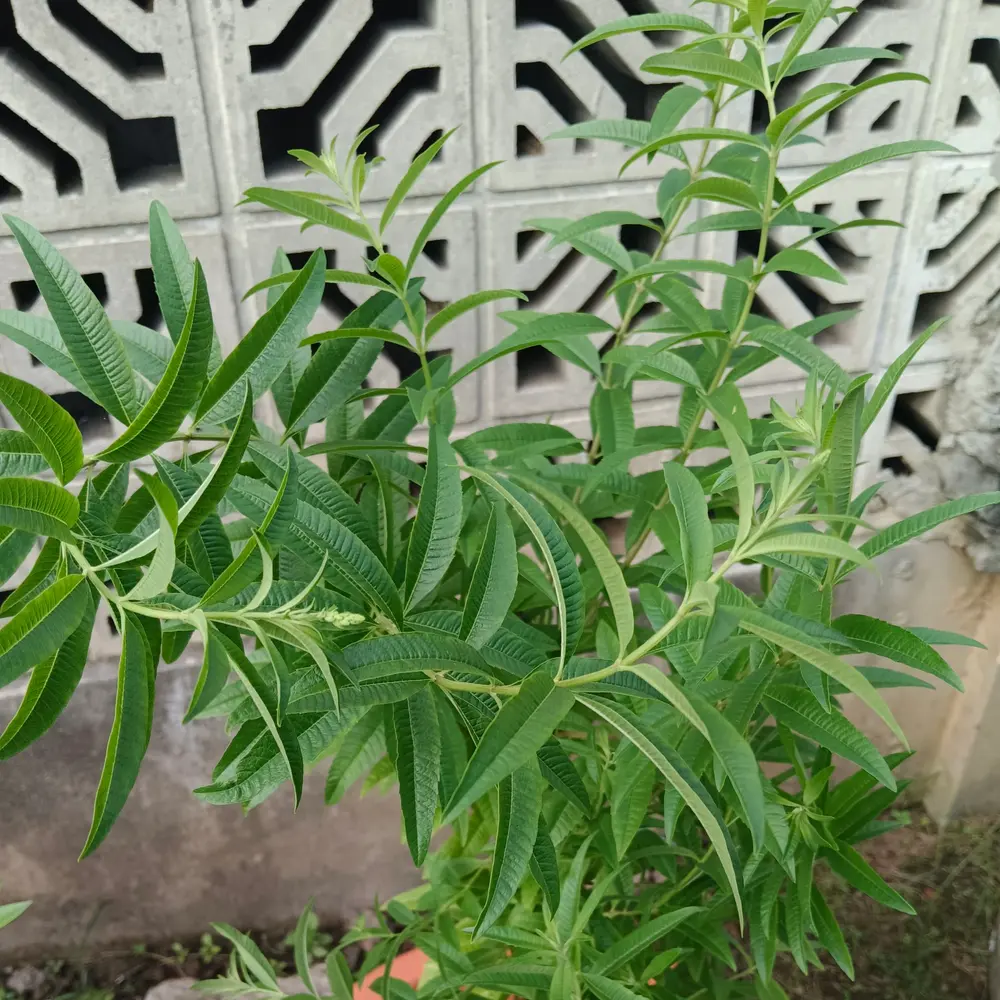
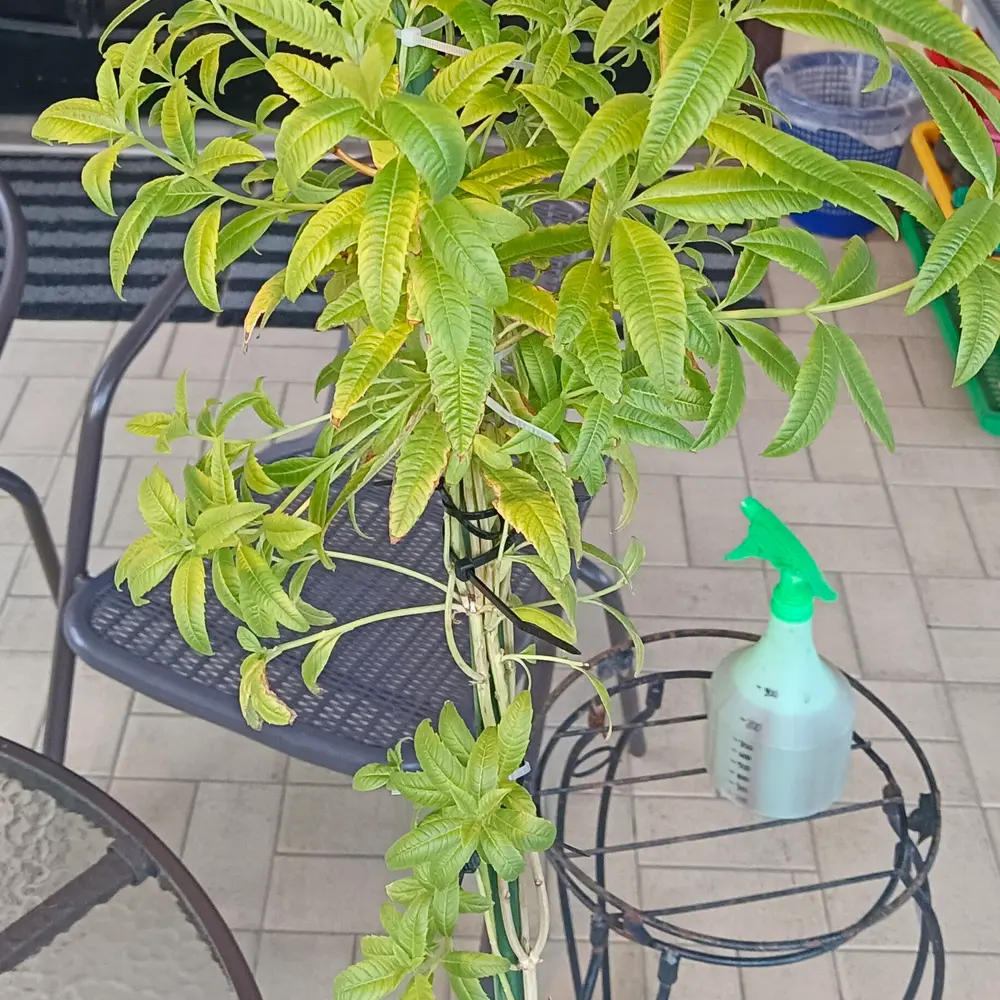
Best Tips for Dealing with Brown Spots on Sweet Almond Bush 🌰
Aloysia virgata
By the Greg Editorial Team
Sep 28, 2024•5 min read
This article was created with the help of AI so we can cover more plants for you. May contain errors. See one? Report it here.
Revive your Sweet Almond Bush 🌱 by learning to diagnose and treat those pesky brown spots effectively!
- 🌧️ Brown spots arise from drought, overwatering, or nutrient deficiencies like nitrogen and potassium.
- 🦠 Fungal infections and pests can cause brown spots; inspect leaves for effective treatment.
- 🌬️ Proper ventilation and consistent moisture are essential to prevent brown spots on Sweet Almond Bush.
Causes of Brown Spots
🌍 Environmental Stress Factors
Drought Conditions
Drought can severely impact your Sweet Almond Bush. Symptoms include wilting leaves and crispy edges, indicating that reduced moisture is leading to leaf discoloration.
Overwatering
On the flip side, overwatering can also create problems. Look for yellowing leaves and root rot, as waterlogged soil can invite fungal infections that further damage your plant.
🥦 Nutrient Deficiencies
Nitrogen Deficiency
A lack of nitrogen is a common issue that manifests as yellowing leaves with brown spots. Nitrogen is essential for healthy foliage growth, so addressing this deficiency is crucial.
Potassium Deficiency
Potassium deficiency shows up as marginal leaf browning and necrosis. This nutrient is vital for overall plant vigor and disease resistance, making it important to monitor.
🍄 Fungal Infections
Leaf Spot Diseases
Fungal infections often present as dark brown or black spots with yellow halos around them. These diseases can lead to premature leaf drop, affecting the overall health of your bush.
Conditions Favoring Fungal Growth
High humidity and poor air circulation create a perfect storm for fungal growth. Keeping your plant in a well-ventilated area can help mitigate this risk.
🐞 Pest Infestations
Aphids
Aphids can wreak havoc on your Sweet Almond Bush, causing curling leaves and leaving a sticky residue. These pests can transmit diseases and weaken your plant's overall health.
Spider Mites
Spider mites are another concern, often indicated by fine webbing and stippled leaves. They reduce photosynthesis, which can significantly impact the vigor of your plant.
Understanding these causes is the first step in effectively managing brown spots on your Sweet Almond Bush. Next, we’ll explore how to diagnose these issues accurately.
Diagnosing Brown Spots
Identifying Symptoms of Leaf Spots 🌿
Diagnosing brown spots on your Sweet Almond Bush starts with a careful visual inspection. Look for patterns in spot size, color, and distribution across the leaves.
It's also crucial to note the age of the leaves. Older leaves may exhibit different symptoms than younger ones, helping you pinpoint the issue more accurately.
Differentiating Between Fungal and Pest-Related Issues 🦠
Next, differentiate between fungal infections and pest-related problems. Fungal infections typically present as circular spots, often surrounded by a yellow halo.
In contrast, pest-related issues manifest as distorted leaves, with visible pests or fine webbing. Recognizing these characteristics can guide your treatment approach.
Assessing Environmental Conditions 🌍
Finally, assess the environmental conditions affecting your plant. Start by checking soil moisture levels; using a moisture meter or a simple finger test can provide insights into whether your plant is over or under-watered.
Don't overlook light exposure, either. Adequate sunlight is vital for the overall health of your Sweet Almond Bush, influencing its ability to thrive and resist diseases.
With these diagnostic steps, you can effectively identify the cause of brown spots and take appropriate action. Next, let’s explore treatment options to restore your plant’s health.
Treatment Options
🌱 Organic Treatments for Fungal Infections
Fungal infections can be a real headache for your Sweet Almond Bush, but organic treatments can help.
Neem Oil Application
To use neem oil effectively, dilute it and spray it directly on the affected areas. Aim to apply it every 7-14 days until you notice improvements.
Baking Soda Solution
Another effective remedy is a baking soda solution. Mix 1 tablespoon of baking soda in 1 gallon of water and spray it on the leaves in the evening for best results.
⚗️ Chemical Fungicides: When and How to Use
Sometimes, organic methods may not cut it, and chemical fungicides become necessary.
Types of Fungicides
For Sweet Almond Bush, you can choose between systemic and contact fungicides. Systemic fungicides work from within the plant, while contact fungicides target the surface.
Application Guidelines
Timing is crucial; apply fungicides during dry conditions for optimal effectiveness. Don’t forget to wear gloves and a mask for safety!
🐞 Pest Control Methods for Infestations
Pests can exacerbate the brown spots on your plants, so effective pest control is essential.
Insecticidal Soap
Insecticidal soap is a straightforward solution. Spray it directly on the pests every 5-7 days until they’re gone.
Introducing Beneficial Insects
Consider introducing beneficial insects like ladybugs and lacewings. These natural predators can help keep pest populations in check without harming your plants.
With these treatment options, you can tackle brown spots effectively and keep your Sweet Almond Bush thriving. Next, let’s explore preventive measures to ensure your plants stay healthy and vibrant.
Preventive Measures
🌊 Best Practices for Watering
Maintaining ideal soil moisture is crucial for the health of your Sweet Almond Bush. Aim for consistently moist soil, but avoid sogginess, as this can lead to root rot.
To achieve effective watering, consider using drip irrigation or soaker hoses. These methods ensure deep watering, allowing roots to absorb moisture efficiently.
🌱 Soil Health and Nutrient Management
Regular soil testing is essential for understanding nutrient levels. It's recommended to test your soil every 1-2 years to ensure your plants receive the right nutrients.
Incorporate a balanced fertilizer in early spring to support healthy growth. This proactive approach helps prevent nutrient deficiencies that can lead to brown spots.
🔍 Regular Inspection for Pests and Diseases
Frequent inspections can catch potential issues before they escalate. Aim for weekly checks during the growing season to monitor your plant's health.
Look for signs of trouble, such as discoloration, webbing, or unusual growth patterns. Early detection can make a significant difference in treatment outcomes.
✂️ Proper Pruning Techniques
Timing is everything when it comes to pruning. The best time to prune your Sweet Almond Bush is in late winter or early spring, just before new growth begins.
Effective pruning involves removing dead or crowded branches. This practice enhances airflow and light penetration, reducing the risk of fungal infections and promoting overall plant vigor.
By implementing these preventive measures, you can significantly reduce the chances of brown spots on your Sweet Almond Bush. Next, let’s explore treatment options if you do encounter these pesky spots.
⚠️ Safety First
This content is for general information and may contain errors, omissions, or outdated details. It is not medical, veterinary advice, or an endorsement of therapeutic claims.
Always consult a qualified healthcare professional before using any plant as food, medicine, or supplement.
Never eat any plant (or feed one to pets) without confirming its identity with at least two trusted sources.
If you suspect poisoning, call Poison Control (800) 222-1222, the Pet Poison Helpline (800) 213-6680, or your local emergency service immediately.
Spotted an error? Please report it here.
Revitalize your Sweet Almond Bush and banish those brown spots 🌿 with Greg's tailored care reminders and watering plans that ensure your plant thrives in a healthy environment!