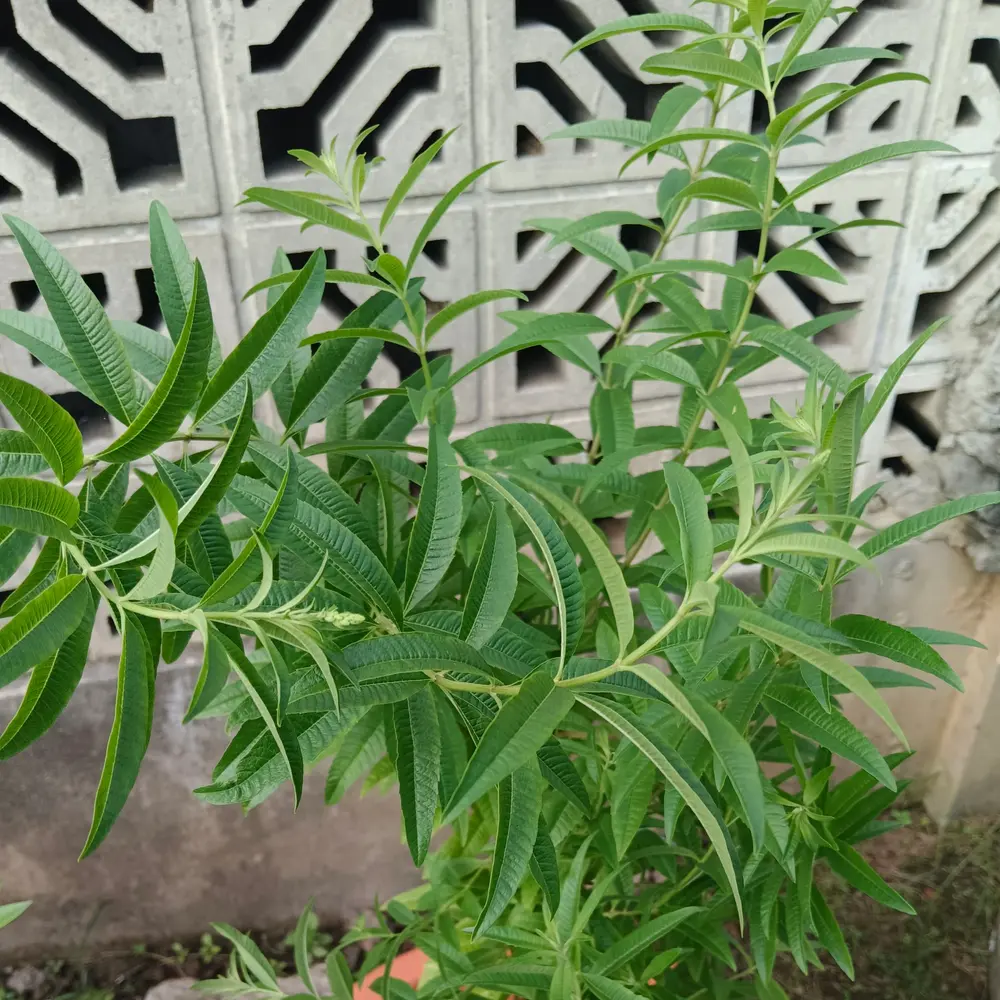
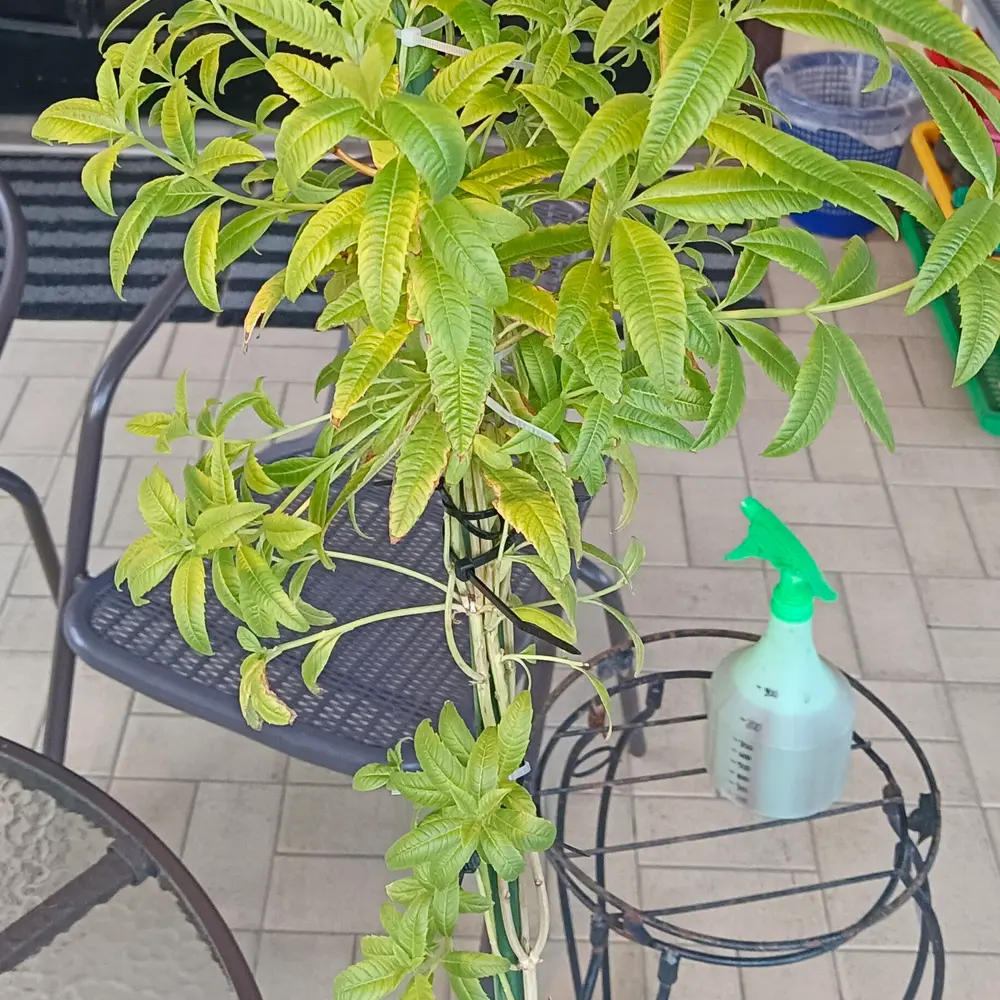
🐞 Step-by-Step Guide to Identifying Bugs on Sweet Almond Bush
Aloysia virgata
By the Greg Editorial Team
Sep 28, 2024•6 min read
This article was created with the help of AI so we can cover more plants for you. May contain errors. See one? Report it here.
Keep your sweet almond bush thriving 🌿 by mastering pest identification and treatment with these essential tips!
- 🐞 Identify common pests like spider mites and aphids to protect your sweet almond bush.
- 🔍 Recognize damage signs such as discoloration and webbing for early pest detection.
- 🌱 Implement preventative measures like regular monitoring to maintain plant health and deter pests.
Common Pests
🕷️ Spider Mites
Identification
Spider mites are tiny, spider-like creatures that can be red or green. Look for fine webbing on leaves and stippled or yellowing foliage as key signs of their presence.
Damage Caused
These pests can cause significant leaf discoloration and drop. Over time, they reduce the vigor and overall health of your sweet almond bush.
Treatment Options
For moderate difficulty, consider using chemical miticides specifically targeting spider mites. Alternatively, organic options include neem oil, insecticidal soap, and introducing predatory mites to your garden.
🐞 Scale Insects
Identification
Scale insects appear as small, waxy bumps on stems and leaves. Sticky leaves and sooty mold from honeydew excretion are common indicators of an infestation.
Damage Caused
These pests weaken the plant by extracting sap, which can lead to secondary fungal infections. This sap extraction can severely impact the plant's health.
Treatment Options
Systemic insecticides are effective chemical treatments for scale insects. For organic solutions, try horticultural oil, manual removal, or insecticidal soap.
🐛 Mealybugs
Identification
Mealybugs look like white, cottony masses on stems and leaf joints. If you notice sticky residue and leaf drop, it’s likely these pests are at work.
Damage Caused
They can stunt growth and cause leaf yellowing. Additionally, mealybugs may lead to the development of sooty mold.
Treatment Options
Insecticides targeting soft-bodied insects are a chemical option for control. For organic methods, use alcohol wipes for manual removal or neem oil.
🦠 Aphids
Identification
Aphids are small, pear-shaped insects that can be green or black. Look for curling leaves and sticky surfaces from honeydew as signs of their presence.
Damage Caused
These pests can distort growth and reduce flowering. They also pose a risk by transmitting plant viruses.
Treatment Options
Broad-spectrum insecticides are a chemical solution for aphids. Organic options include introducing ladybugs, neem oil, and insecticidal soap.
🦋 Whiteflies
Identification
Whiteflies are tiny, white, moth-like insects found on the undersides of leaves. Yellowing leaves and sticky residue are common signs of their infestation.
Damage Caused
They weaken the plant and can transmit diseases, making them a serious concern for your sweet almond bush.
Treatment Options
Insecticides specifically for whiteflies are available as a chemical treatment. For organic control, yellow sticky traps and insecticidal soap can be effective.
🐞 Weevils
Identification
Weevils are small, elongated beetles with distinctive snouts. Look for holes in leaves and wilting plants as signs of their activity.
Damage Caused
They can cause leaf damage and potentially harm the roots, depending on the species involved.
Treatment Options
Targeted insecticides for beetles are a chemical option for weevil control. For organic methods, hand-picking and using beneficial nematodes can be effective.
🪲 Fungus Gnats / Fruit Flies
Identification
Fungus gnats are small, dark flies that hover near the soil. Signs include larvae in the soil and wilting plants.
Damage Caused
These pests can cause root damage, leading to poor plant health and vitality.
Treatment Options
Insecticides designed for soil-dwelling pests are a chemical solution. For organic control, allow the soil to dry out and consider using beneficial nematodes.
Understanding these common pests is crucial for maintaining the health of your sweet almond bush. With proper identification and treatment options, you can effectively manage these nuisances and keep your plants thriving. Next, let’s explore preventative measures to keep these pests at bay.
Prevention
🛡️ Preventative Measures
Regular monitoring is your first line of defense against pests. By keeping a close eye on your sweet almond bush, you can catch any issues early, making treatment much easier.
Maintaining healthy plant conditions is equally crucial. A robust plant is less susceptible to pest infestations, so ensure your almond bush receives proper sunlight, water, and nutrients.
🧼 Plant Hygiene and Inspection
Clean tools and pots are essential to prevent pest transfer. Always sanitize your gardening equipment to avoid introducing unwanted guests to your plants.
Regularly inspecting leaves and stems for early signs of pests can save you a lot of trouble. Look for unusual discoloration, sticky residue, or webbing, as these can indicate a pest problem before it escalates.
By implementing these preventative measures, you can create a healthier environment for your sweet almond bush, reducing the likelihood of pest infestations. This proactive approach sets the stage for effective pest management, which we’ll explore next.
General Pest Management
Integrated Pest Management (IPM) 🐞
Integrated Pest Management (IPM) is a holistic approach to pest control that emphasizes prevention and long-term solutions. By combining cultural, mechanical, biological, and chemical methods, IPM aims to minimize pest populations while reducing risks to people and the environment.
Cultural Methods: These involve practices like crop rotation and selecting pest-resistant plant varieties. Maintaining healthy soil and proper watering can also deter pests.
Mechanical Methods: Physical barriers, traps, and hand-picking pests are effective ways to manage infestations without chemicals. Regularly inspecting plants helps catch issues early.
Biological Methods: Introducing natural predators, such as ladybugs for aphids, can help keep pest populations in check. This method promotes a balanced ecosystem.
Chemical Methods: When necessary, targeted chemical treatments can be used. However, these should be a last resort, applied carefully to minimize harm to beneficial insects.
Early Detection and Intervention 🔍
Timely identification of pest issues is crucial for effective management. Regular monitoring of your sweet almond bush can help you spot early signs of trouble, such as discoloration or unusual growth patterns.
Strategies for Early Detection: Inspect leaves and stems frequently. Look for signs like webbing from spider mites or sticky residue from aphids.
Benefits of Proactive Management: Addressing pest problems early can prevent larger infestations and reduce the need for more aggressive treatments later. This not only saves time and effort but also promotes healthier plants.
By embracing IPM and focusing on early detection, you can cultivate a thriving garden while keeping pests at bay. This proactive approach ensures your sweet almond bush remains healthy and vibrant, ready to flourish in its environment.
Distinguishing Between Similar Pests
Identification Tips 🕵️♂️
Identifying pests accurately is crucial for effective management. Focus on key characteristics such as size, color, and shape; these details can help differentiate between similar species.
Understanding the life cycles and behaviors of pests is equally important. For instance, knowing when a pest is most active can guide your monitoring efforts and treatment timing.
Visual Cues 👀
Visual cues can be your best friends in pest identification. Look for unique features like the texture of the body or specific markings that set one pest apart from another.
For example, spider mites may appear as tiny dots, while aphids are more pear-shaped. Familiarizing yourself with these distinctions can significantly enhance your pest management strategy.
By honing your identification skills, you empower yourself to tackle pest issues before they escalate. This proactive approach not only protects your sweet almond bush but also fosters a healthier garden environment.
Next, let’s explore effective prevention strategies to keep these pests at bay.
⚠️ Safety First
This content is for general information and may contain errors, omissions, or outdated details. It is not medical, veterinary advice, or an endorsement of therapeutic claims.
Always consult a qualified healthcare professional before using any plant as food, medicine, or supplement.
Never eat any plant (or feed one to pets) without confirming its identity with at least two trusted sources.
If you suspect poisoning, call Poison Control (800) 222-1222, the Pet Poison Helpline (800) 213-6680, or your local emergency service immediately.
Spotted an error? Please report it here.
Keep your sweet almond bush bug-free 🐞 by using Greg's tailored pest identification and care reminders to stay ahead of any pesky invaders!