Sweet Almond Bush Roots 101 🥜
Aloysia virgata
By the Greg Editorial Team
Sep 28, 2024•5 min read
This article was created with the help of AI so we can cover more plants for you. May contain errors. See one? Report it here.
Master sweet almond bush care 🌱 by understanding its unique root systems for a thriving garden!
- 🌱 Sweet almond bush has a fibrous root system, enhancing resilience and moisture gathering.
- 💧 Consistent watering every 1-2 weeks is vital for healthy root growth and prevention of rot.
- 🌿 Transplant in spring or fall using well-drained soil for optimal support and growth.
Root System Characteristics
Type of Root System 🌱
The sweet almond bush features a fibrous root system, characterized by extensive lateral growth. This adaptability allows the roots to spread widely, making the plant resilient in various environments.
Fibrous roots differ from taproots in stability and moisture access. While taproots penetrate deeply for water, fibrous roots excel in gathering moisture from a broader area, enhancing the plant's overall resilience.
Specific Characteristics 🌍
One of the remarkable traits of the sweet almond bush is its adaptability to various soil types. Whether sandy, loamy, or clay, these roots can thrive, making them a versatile choice for gardeners.
Additionally, the deep root growth contributes to drought resistance. This characteristic ensures that the plant remains stable and healthy, even in fluctuating environmental conditions.
Understanding these root system characteristics is essential for nurturing a thriving sweet almond bush. With the right care, you can enjoy its beauty and benefits for years to come.
Next, we’ll explore the root depth and spread of this fascinating plant.
Root Depth and Spread
Typical Depth and Spread 🌱
The sweet almond bush typically boasts a root depth of 2-3 feet (60-90 cm) under optimal conditions. Its lateral roots can extend impressively, reaching up to 3-4 feet (90-120 cm) from the base.
Growth Patterns 🌿
Roots of the sweet almond bush are responsive to their environment, particularly soil moisture and nutrient availability. Understanding these seasonal growth patterns is crucial for effective care, ensuring your plant thrives throughout the year.
By recognizing how roots adapt, you can better manage watering and fertilization, leading to a healthier and more resilient plant. This knowledge sets the stage for the next section, where we’ll explore the essential practices for watering, fertilizing, and transplanting your sweet almond bush.
Watering, Fertilizing, and Transplanting
Watering Needs 💧
Maintaining consistent moisture is crucial for the sweet almond bush. Aim to water every 1-2 weeks, adjusting based on your local climate to avoid waterlogging.
Fertilization Techniques 🌱
Selecting the right fertilizer can make a significant difference in growth. Use balanced fertilizers and apply them every 4-6 weeks during the growing season for optimal results.
Transplanting Best Practices 🌍
Timing is everything when it comes to transplanting. The best windows are early spring or fall, ensuring you prepare well-drained soil to support the plant's new home.
Understanding these care techniques will help your sweet almond bush thrive. Next, we’ll explore common root-related issues and how to tackle them effectively.
Common Root-Related Issues
Identifying Problems 🌱
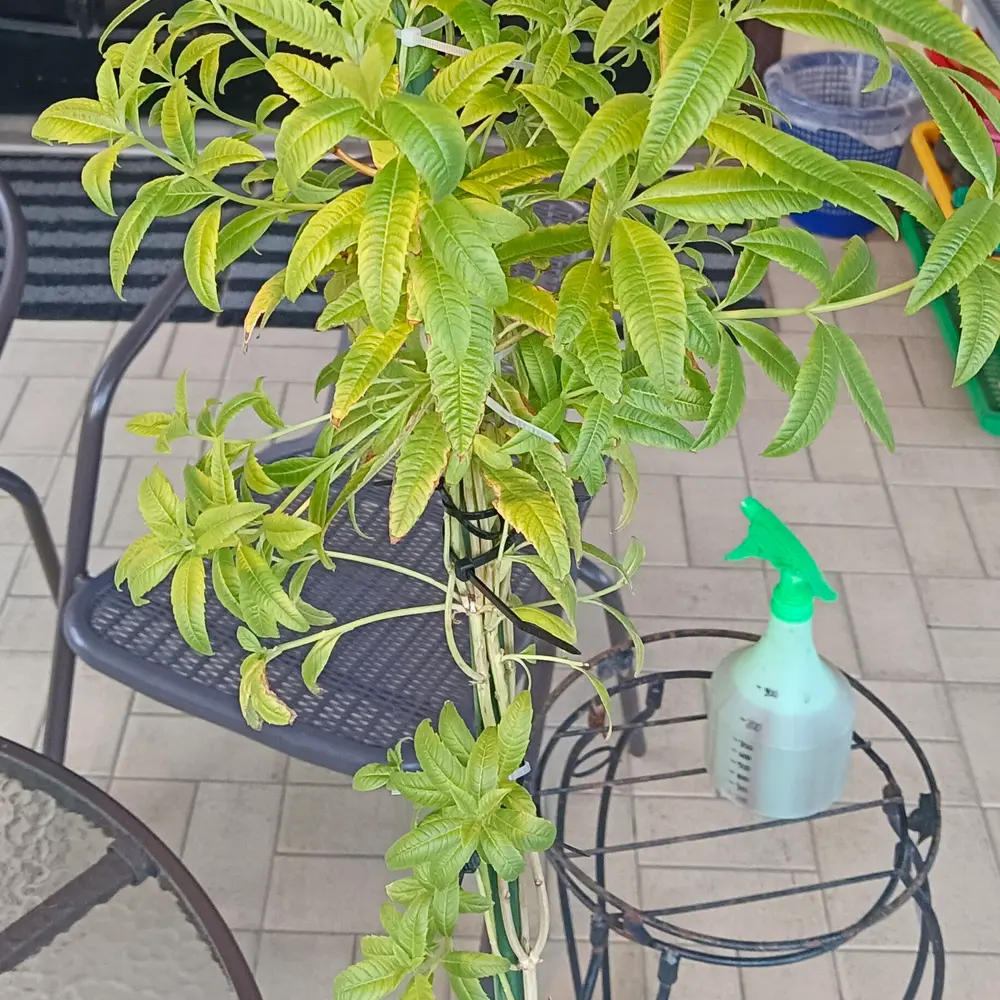
Root health is crucial for the overall vitality of your Sweet Almond Bush. One of the most common issues is root rot, which manifests through symptoms like yellowing leaves, wilting, and stunted growth.
Pests can also wreak havoc on roots, leading to nutrient deficiencies. Keep an eye out for any unusual signs, as early detection can save your plant from serious damage.
Solutions and Preventive Measures 🛠️
Preventing root rot starts with proper watering practices. Ensure that your plant receives consistent moisture without becoming waterlogged.
Well-draining soil is essential for healthy roots. Regular inspections can help you catch problems before they escalate, ensuring your Sweet Almond Bush thrives.
Root Health Indicators
Visual Cues 🌱
Healthy roots are a sight to behold. They should be firm, with a white or light tan color and minimal odor.
In contrast, unhealthy roots present a worrying picture. Look for dark, mushy textures and foul smells, which signal potential problems.
Importance for Overall Vitality 🌿
Root health is crucial for your plant's resilience. Strong roots enhance nutrient uptake, directly impacting growth and overall vitality.
When roots thrive, so does the plant. Understanding these indicators helps you maintain a flourishing garden, ensuring your plants reach their full potential.
As you care for your plants, keep an eye on their roots. This attention will pay off in vibrant, healthy growth.
Recognizing and Addressing Rootbound Conditions
Definition and Signs 🌱
Rootbound conditions occur when a plant's roots grow too densely within its container, limiting their ability to absorb water and nutrients. You can spot a rootbound plant if you see roots poking out of the drainage holes, experience stunted growth, or notice poor water absorption.
Addressing Rootbound Issues ✂️
To remedy rootbound conditions, consider repotting the plant into a larger container. If repotting isn't feasible, root pruning can help; simply trim back the roots to encourage new growth.
Best Practices for Alleviating Conditions 🌿
Always ensure the new pot has adequate drainage to prevent future issues. Additionally, after repotting or pruning, give your plant some extra care, like consistent watering and a nutrient boost, to help it recover and thrive.
Understanding these rootbound signs and solutions can significantly enhance your plant care routine, leading to healthier, more vibrant plants.
Propagation and Division
Importance of Root Health 🌱
Healthy roots are the backbone of successful propagation. They ensure that new plants can thrive and establish themselves quickly.
Timing is crucial; spring or early summer is the best period for dividing plants. This allows them to take advantage of the growing season for optimal recovery.
Techniques for Dividing ✂️
Dividing plants is a straightforward process. Here’s a step-by-step guide to help you through it:
- Choose the Right Plant: Select a healthy plant that has outgrown its space.
- Prepare Your Tools: Use clean, sharp tools to minimize damage.
- Remove the Plant: Gently lift the plant from its pot or the ground.
- Divide the Roots: Carefully separate the root ball into smaller sections, ensuring each has roots and shoots.
- Replant: Place the divided sections in well-drained soil, ensuring they are at the same depth as before.
After dividing, proper aftercare is essential. Water the new plants consistently and monitor them closely for signs of stress. This will help them establish strong roots and flourish in their new homes.
Understanding these techniques not only enhances your gardening skills but also fosters a deeper connection with your plants. With healthy roots, your garden can thrive and bring joy for years to come.
Next, let’s explore how to recognize and address rootbound conditions to keep your plants healthy and happy.
⚠️ Safety First
This content is for general information and may contain errors, omissions, or outdated details. It is not medical, veterinary advice, or an endorsement of therapeutic claims.
Always consult a qualified healthcare professional before using any plant as food, medicine, or supplement.
Never eat any plant (or feed one to pets) without confirming its identity with at least two trusted sources.
If you suspect poisoning, call Poison Control (800) 222-1222, the Pet Poison Helpline (800) 213-6680, or your local emergency service immediately.
Spotted an error? Please report it here.
Unlock the secrets of your sweet almond bush's roots 🌱 with Greg's tailored watering reminders and fertilization tips to keep it thriving and vibrant!