🥜 Propagating Sweet Almond Bush: The Ultimate Guide
Aloysia virgata
By the Greg Editorial Team
Sep 28, 2024•4 min read
This article was created with the help of AI so we can cover more plants for you. May contain errors. See one? Report it here.
Unlock lush greenery 🌱 by mastering plant propagation techniques for a thriving garden all year round!
- 🌱 Best cutting times: Late spring for softwood, late fall for hardwood propagation.
- 🌿 Use rooting hormone to enhance root development for successful cuttings.
- 💧 Maintain humidity at 70-80% for optimal rooting success in cuttings.
Propagation Methods
🌱 ProOverwateringm Cuttings
Step-by-step guide for softwood cuttings
- Timing: Take cuttings in late spring to early Neglecting humiditywth is soft.
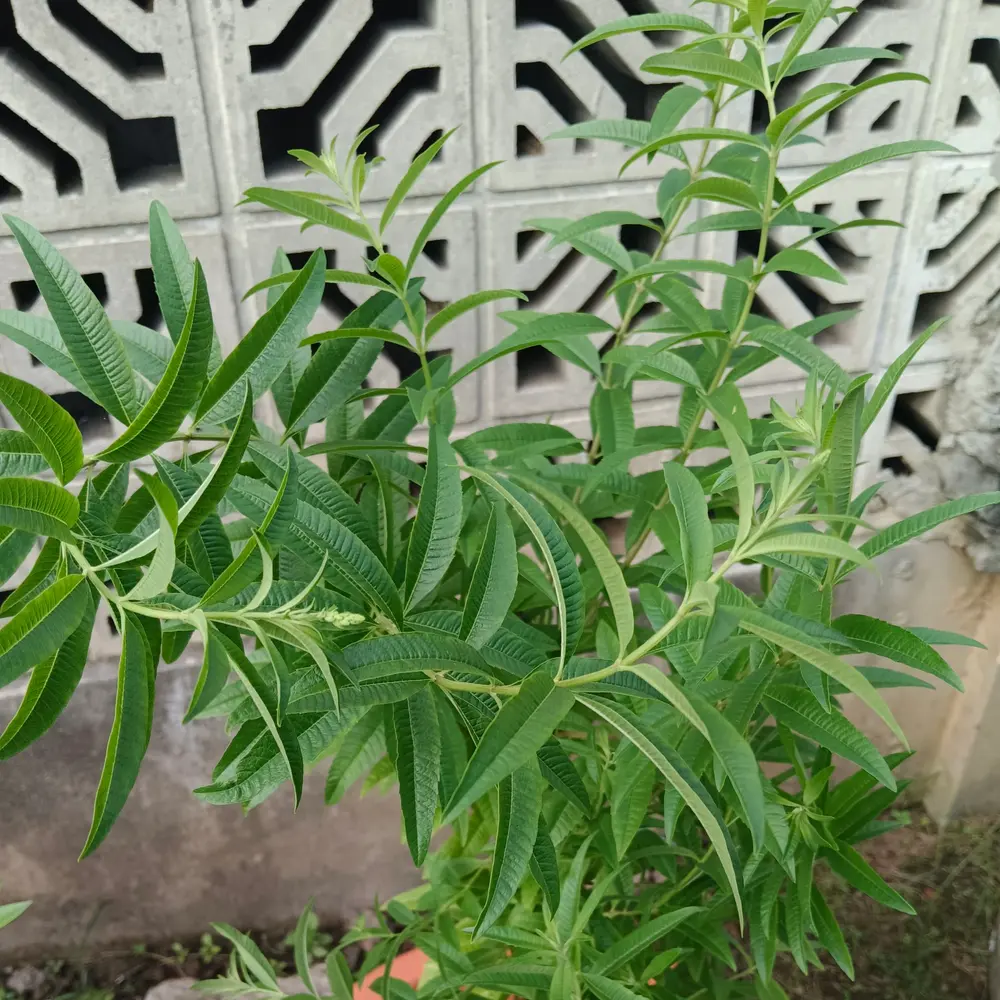
- Selecting cuttings: Choose healthy, non-flowering stems about 4-6 inches long.
Preparation is key. Remove the lower leaves, leaving 2-3 leaves at the top.
Next, dip the cut end in rooting hormone to promote root development.
Now, insert the cuttings into a well-draining potting mix, ensuring at least one node iswell-draininger lightly to settle the soil around the cuttings.
To maintain moisture, cover with a plastic humidity domety dome.
Finally, check daily for moisture and remove the cover once roots develop, usually in 4-6 weeks.
Step-by-step guide for hardwood cuttings
- Timing: Take cuttings in late fall or wTemperaturethe plant is dormant.
- Selecting cuttings: Choose mature, woody stems about 6-8 inches long.
Trim the cuttings just below a node and remove any leaves.
Apply rooting hormone to the cut end to encourage rooting.
Insert the cuttings into a pot filled with a well-draining mix, burying at least one node.
Water thoroughly and allow excess to drain.
Place the pot in a cool, shaded area; cover with plastic if needed to retain moisture.
Check for root development over several months.
🌡️ Ideal conditidrainagerooting cuttings
- Temperature: Maintain a temperature range of 70°F to 75°F (21°C to 24°C).
- Humidity: Keep humidity levels around 70-80% for optimal rooting.
- Light: Provide bright, indirectwell-drainingvent scorching.
❌ Common mistakes to avoid
- Overwatering: Ensure the soil is moist but not soggy.
- Using old or diseased cuttings: Always select healthy stems.
- Neglecting humidity: Maintain adequate moisture levels to prevent drying out.
🌱 Propagating from Seeds
Step-by-step guide for seed germination
- Seed selection: Choose fresh seeds from a reliable source or your own plant.
- Pre-treatment methods: Soak seeds in water for 24 hours to enhance germination.
Sow seeds about 1/4 inch deep in a well-draining seed-starting mix.
Water gently to avoid displacing seeds.
Lightly cover with plastic or a humidity dome to retain moisture.
Expect germination in 2-4 weeks under optimal conditions.
🌍 Ideal soil and conditions for seed propagation
- Soil type: Use a light, well-draining seed-rooting success Temperature: Maintain a temperature of 70°F to 80°F (21°C to 27°C) for best results.
- Light: Provide bright, indirect light once seedlings emerge.
⏰ Timing for planting seeds
- Best time: Start seeds indoors 6-8 weeks before the last frost date for outdoor direct sunlightnsplanting: Move seedlings outdoors after the danger of frost has passed and when they are 4-6 inches tall.
🛠️ Tools and Materials Needhumidity Essential tools for propagation
- Sharp, clean pruning shears for cuttings.
- Pots or trays with drainage holsweet almond bush- Plastic bags or humidity domes to maintain moisture.
- Labels for tracking different cuttings or seed batches.
🌱 Recommended soil and rooting hormones
- Soil: Use a well-draining potting mix or seed-starting mix.
- Rooting hormones: Use a powdered or gel rooting hormone to enhance root development.
🐛 Troubleshooting Common Issues
Problems with cuttings not rooting
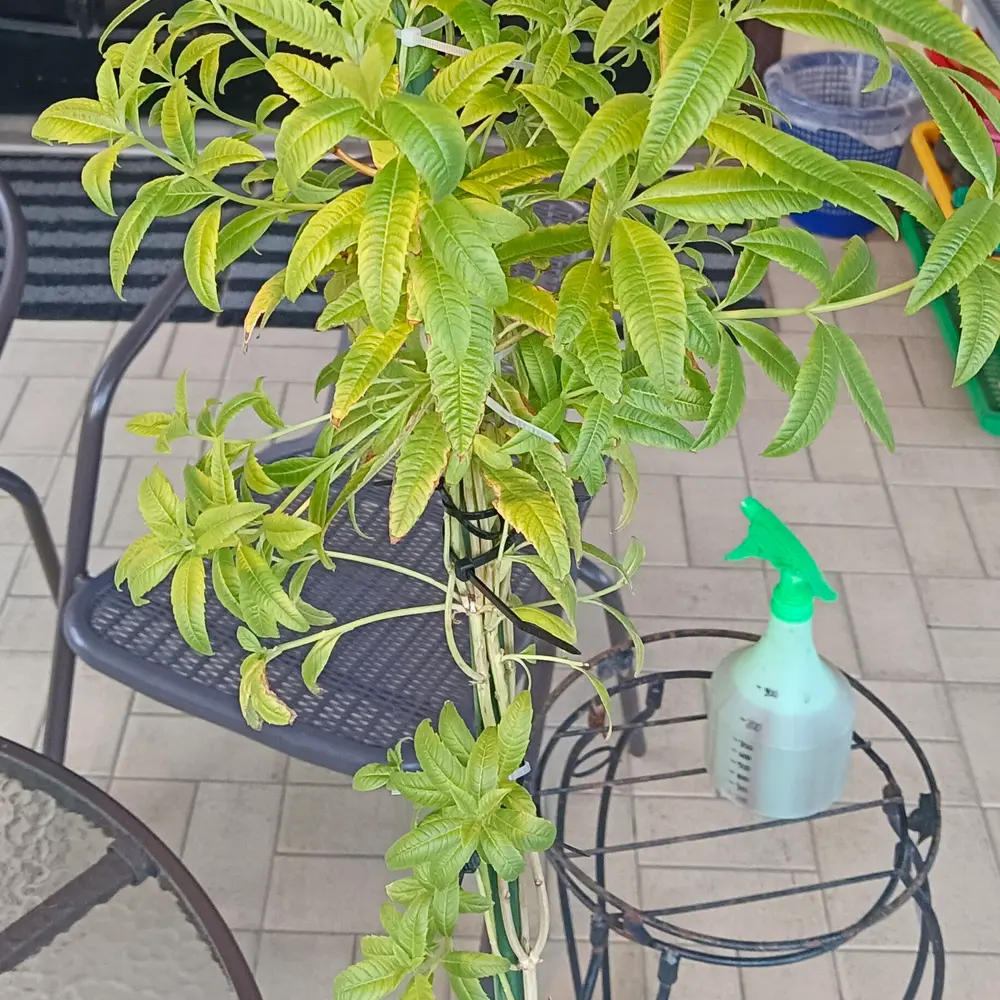
- Symptoms: Wilting, yellowing leaves, or no root development.
- Causes: Overwatering, insufficient humidity, or using unhealthy cuttings.
Solutions include adjusting watering, increasing humidity, and ensuring cuttings are healthy.
🌱 Seed germination failures
- Symptoms: No sprouting after the expected time.
- Causes: Old seeds, inadequate moisture, or incorrect temperature.
To resolve this, use fresh seeds, ensure consistent moisture, and maintain optimal temperature.
🌟 Success Factors
Factors influencing successful propagation
- Cutting quality: Health and age of the cutting significantly impact rooting success.
- Environmental conditions: Temperature, humidity, and light play crucial roles in propagation success.
💧 Best practices for maintaining moisture and care during propagation
- Regular monitoring: Check moisture levels daily and adjust as needed.
- Avoiding direct sunlight: Protect cuttings and seedlings from harsh sunlight to prevent drying out.
- Using a spray bottle: Mist cuttings and seedlings to maintain humidity without overwatering.
With these methods and tips, you're well on your way to successfully propagating your sweet almond bush. Next, let’s dive into the tools and materials you'll need for a smooth propagation process.
⚠️ Safety First
This content is for general information and may contain errors, omissions, or outdated details. It is not medical, veterinary advice, or an endorsement of therapeutic claims.
Always consult a qualified healthcare professional before using any plant as food, medicine, or supplement.
Never eat any plant (or feed one to pets) without confirming its identity with at least two trusted sources.
If you suspect poisoning, call Poison Control (800) 222-1222, the Pet Poison Helpline (800) 213-6680, or your local emergency service immediately.
Spotted an error? Please report it here.
Propagating your Sweet Almond Bush is a breeze 🌿 with Greg's tailored reminders and expert tips to help your cuttings thrive and flourish!