☀️ Ultimate Guide to Temperature for Sweet Almond Bush
Aloysia virgata
By the Greg Editorial Team
Sep 28, 2024•5 min read
This article was created with the help of AI so we can cover more plants for you. May contain errors. See one? Report it here.
Ensure your Sweet Almond Bush thrives 🌱 by mastering temperature stress management with these essential care tips!
- 🌡️ Temperature stress causes wilting or browning; monitor conditions closely for health.
- ❄️ Frost below 30°F can freeze tissues, risking plant survival; protect during winter.
- 🌱 Optimal growth occurs between 60°F and 75°F, ensuring vibrant new growth in spring.
Temperature Stress in Sweet Almond Bush
Signs and Symptoms of Temperature Stress 🌡️
Temperature stress can manifest in several ways, impacting the health of your Sweet Almond Bush.
Symptoms of Cold Stress
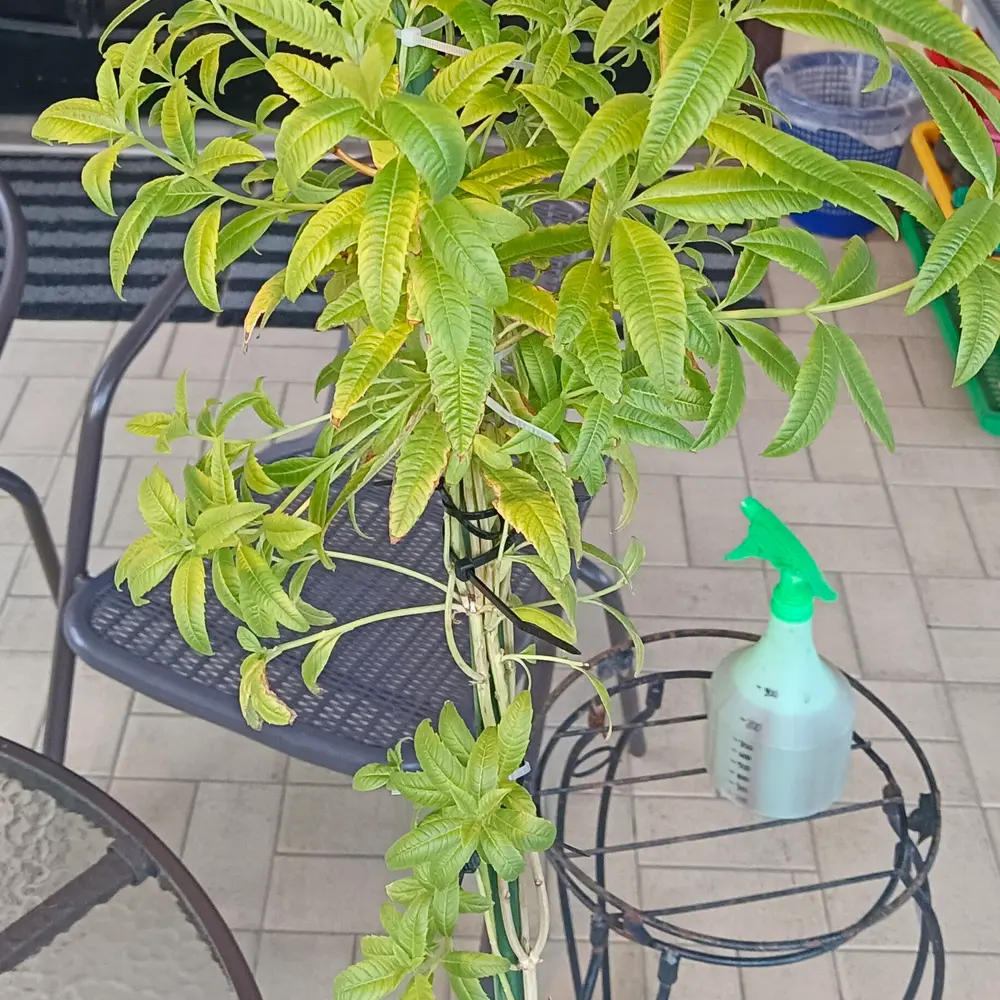
When exposed to cold, look for wilting leaves and browning or blackening of foliage. These signs indicate that your plant is struggling to cope with low temperatures.
Symptoms of Heat Stress
On the flip side, heat stress can lead to leaf drop and curling or scorched leaves. If you notice these symptoms, it’s a clear signal that your bush is feeling the heat.
Causes of Temperature Stress 🔍
Understanding the causes of temperature stress is crucial for effective plant care.
Extreme Heat
Prolonged exposure to temperatures above 95°F (35°C) can severely affect your Sweet Almond Bush. This level of heat can lead to irreversible damage if not addressed promptly.
Frost
Conversely, temperatures below 30°F (-1°C) can also be detrimental. Frost can freeze the plant's tissues, leading to significant stress and potential death.
Sudden Temperature Fluctuations
Sudden changes in temperature can shock the plant, impacting its overall health. These fluctuations can disrupt growth patterns and flowering cycles, making it essential to monitor conditions closely.
By recognizing the signs and understanding the causes of temperature stress, you can take proactive steps to protect your Sweet Almond Bush. This knowledge will set the stage for effective strategies to mitigate temperature extremes, ensuring your plant thrives in varying conditions.
Seasonal Temperature Considerations
🌡️ Temperature Needs During Different Seasons
Understanding the temperature needs of the Sweet Almond Bush throughout the seasons is crucial for its health and growth.
Spring
In spring, the optimal growth temperatures range from 60°F to 75°F (15°C to 24°C). This is when the plant begins to awaken from dormancy, making it an ideal time for new growth.
Summer
During summer, the Sweet Almond Bush shows a good tolerance to heat but requires careful monitoring when temperatures exceed 95°F (35°C). Prolonged exposure to extreme heat can lead to stress, so keep an eye on your plants.
Fall
As fall approaches, temperatures gradually cool down. This is a critical time for preparing the bush for dormancy, ensuring it has the right conditions to thrive through winter.
Winter
In winter, protection from frost is essential. The ideal temperatures for the Sweet Almond Bush should remain above 30°F (-1°C) to prevent damage and ensure it can survive until spring.
🌍 Impact of Seasonal Changes on Growth and Flowering
Seasonal temperature variations significantly influence blooming cycles. Warmer temperatures in spring trigger the flowering process, while cooler fall temperatures signal the plant to prepare for dormancy.
Pollinator Activity
Temperature shifts also affect pollinator activity. When temperatures are favorable, pollinators are more active, which enhances the chances of successful pollination for your Sweet Almond Bush.
Understanding these seasonal dynamics can help you provide the best care for your plants, ensuring they flourish year-round. Next, we’ll explore the geographic and environmental factors that impact the Sweet Almond Bush's growth.
Geographic and Environmental Factors
Hardiness Zones Suitable for Sweet Almond Bush 🌱
Sweet Almond Bush thrives best in USDA hardiness zones 8 to 10. These zones are characterized by mild winters and warm summers, making them ideal for this plant's growth.
Choosing the right planting location is crucial. Areas within these zones provide the necessary warmth and protection from extreme cold, ensuring your Sweet Almond Bush can flourish.
Effects of Microclimates on Temperature Needs 🌤️
Microclimates refer to localized climate variations that can significantly affect plant growth. Understanding these can help you optimize conditions for your Sweet Almond Bush.
For instance, a south-facing wall can create a warmer microclimate, benefiting the bush during cooler months. Conversely, shaded areas or spots exposed to harsh winds may hinder its growth, making it essential to assess your garden's unique conditions.
By recognizing and utilizing microclimates, you can enhance the health and productivity of your Sweet Almond Bush. This knowledge empowers you to create an environment where your plants can thrive, setting the stage for a vibrant garden.
As we explore further, let’s dive into strategies for mitigating temperature stress, ensuring your Sweet Almond Bush remains resilient throughout the seasons.
Mitigating Temperature Stress
🌡️ Strategies to Protect Sweet Almond Bush from Temperature Extremes
To safeguard your Sweet Almond Bush from temperature extremes, consider using mulch. Mulch acts as a protective layer, helping to regulate soil temperature and retain moisture, which is crucial during both hot and cold spells.
Another effective strategy is planting in sheltered areas. This reduces wind exposure, which can exacerbate temperature stress, especially during sudden cold snaps or heatwaves.
🌱 Best Practices for Planting in Temperature-Sensitive Areas
Timing your planting is essential. Aligning your planting schedule with seasonal temperature patterns ensures that your Sweet Almond Bush has the best chance to thrive.
Additionally, selecting companion plants can be beneficial. These plants can help moderate temperature effects, creating a more stable environment for your Sweet Almond Bush to flourish.
By implementing these strategies and best practices, you can significantly enhance the resilience of your Sweet Almond Bush against temperature stress. This proactive approach not only promotes healthy growth but also prepares your plants for the challenges of changing seasons.
Next, let’s explore the impact of seasonal temperature changes on growth and flowering.
⚠️ Safety First
This content is for general information and may contain errors, omissions, or outdated details. It is not medical, veterinary advice, or an endorsement of therapeutic claims.
Always consult a qualified healthcare professional before using any plant as food, medicine, or supplement.
Never eat any plant (or feed one to pets) without confirming its identity with at least two trusted sources.
If you suspect poisoning, call Poison Control (800) 222-1222, the Pet Poison Helpline (800) 213-6680, or your local emergency service immediately.
Spotted an error? Please report it here.
Keep your Sweet Almond Bush thriving through seasonal changes by leveraging Greg's personalized care reminders and environmental monitoring for optimal growth 🌱 all year long!