5 Tips for Healing Curling Leaves on Your Sweet Almond Bush 🦋
Aloysia virgata
By the Greg Editorial Team
Sep 28, 2024•4 min read
This article was created with the help of AI so we can cover more plants for you. May contain errors. See one? Report it here.
Revive your sweet almond bush 🌿 by learning to diagnose and treat curling leaves effectively!
- 🌱 Leaf curl direction reveals stress: inward means stress, outward suggests pests.
- 🟡 Color changes indicate issues: yellowing signals nutrient deficiencies, browning points to stress.
- 💧 Check watering habits: crispy leaves mean underwatering, while mushy leaves indicate overwatering.
Diagnosing Curling Leaves
Identifying Symptoms of Leaf Curl 🌿
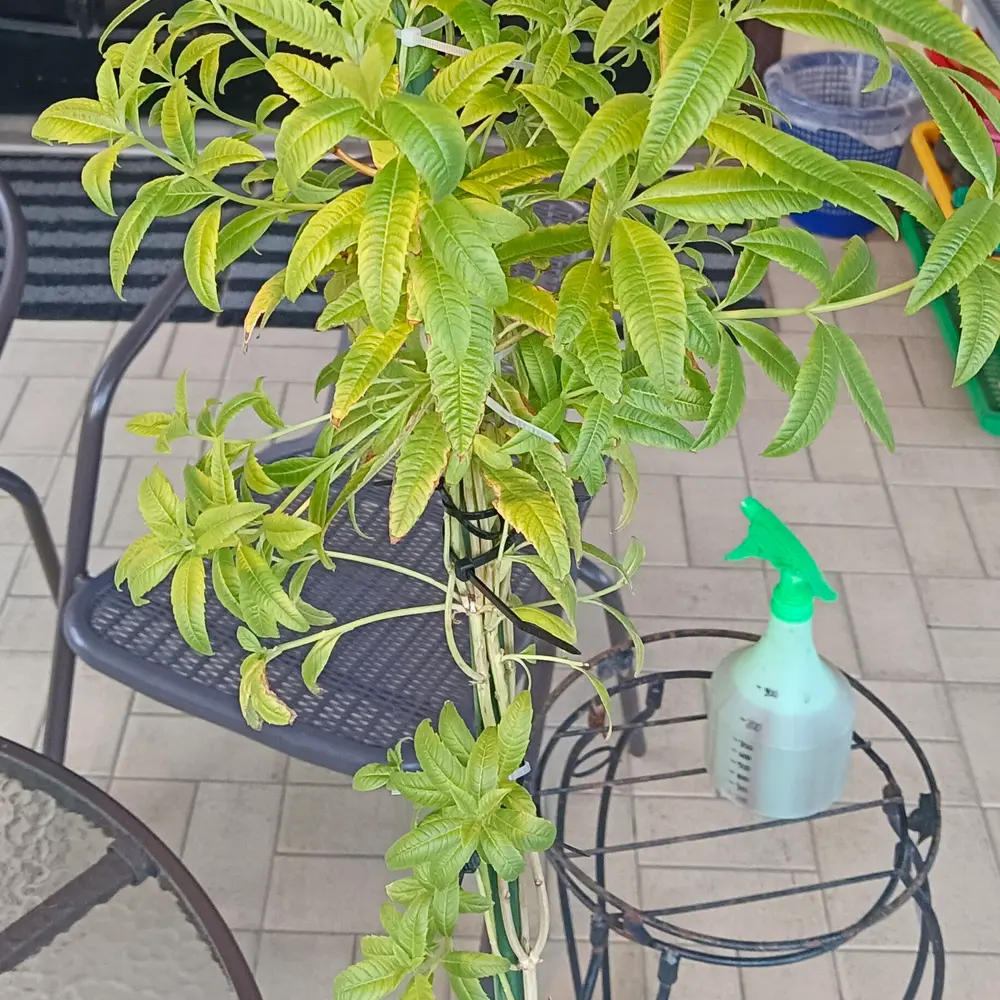
When diagnosing curling leaves on your sweet almond bush, start by observing the visual signs. Pay attention to the direction of the curl: inward curling often indicates stress, while outward curling can suggest pest issues.
Color changes are also crucial. Yellowing leaves may signal nutrient deficiencies, while browning can indicate environmental stress or disease. Additionally, examine the leaf texture; crispy leaves often point to underwatering, whereas soft, mushy leaves may suggest overwatering.
Differentiating Between Pest Damage and Environmental Stress 🐛
Next, differentiate between pest damage and environmental stress. Look for indicators of pests, such as visible insects or webs on the leaves. Sticky residue on the foliage can also hint at pest activity, particularly from aphids or spider mites.
On the other hand, environmental stress can stem from recent weather changes or fluctuations in soil moisture levels. If you've experienced extreme heat or heavy rain, your plant may be reacting to these conditions rather than pests.
Assessing Soil and Watering Practices 💧
A thorough soil assessment is essential for diagnosing leaf curl. Check for proper drainage and compaction; compacted soil can hinder root growth and water absorption. Additionally, testing the soil pH can reveal imbalances that affect nutrient availability.
Evaluate your watering practices as well. Ensure you're watering frequently enough, but not too much. Signs of overwatering include yellowing leaves and root rot, while underwatering typically results in crispy, curling leaves.
Treating Curling Leaves
🐞 Step-by-Step Pest Control Methods
Dealing with pests is crucial for your sweet almond bush's health. Start by inspecting for pests using a magnifying glass; this helps you spot even the tiniest invaders.
Next, apply insecticidal soap or neem oil. Aim for a frequency of every 7-14 days until you notice a significant reduction in pest activity.
Finally, consider introducing beneficial insects like ladybugs. They are natural predators of aphids and can help keep your plant healthy.
🌱 Nutrient Supplementation Techniques
Nutrient balance is key for vibrant foliage. Apply a balanced NPK fertilizer every 4-6 weeks during the growing season to support robust growth.
For a quick nutrient boost, try foliar feeding. Simply spray diluted liquid fertilizer on the leaves for rapid absorption, giving your plant an instant lift.
💧 Adjusting Watering Practices
Proper watering is essential for leaf health. Establish a watering schedule that dictates watering when the top inch of soil feels dry.
Ensure thorough soaking without waterlogging the roots. Using moisture meters can help you gauge soil moisture accurately, preventing both over and underwatering.
🌍 Soil Amendment Strategies
Improving soil quality can make a world of difference. Start by adding organic matter like compost or well-rotted manure to enrich the soil.
If your soil pH is off, adjust it accordingly. Use lime to raise pH or sulfur to lower it, ensuring your sweet almond bush thrives in the right conditions.
By following these treatment strategies, you can effectively address curling leaves and promote a healthier, more resilient sweet almond bush. Next, let’s explore how to prevent future leaf curl and maintain your plant's vitality.
Preventing Future Leaf Curl
🌱 Best Practices for Sweet Almond Bush Care
To keep your Sweet Almond Bush thriving, establish a regular watering schedule. Aim for consistent moisture, ensuring you avoid overwatering, which can lead to root rot.
Fertilization is equally important. Use a balanced feeding approach during the growing season to provide essential nutrients for healthy growth.
🌼 Seasonal Maintenance Tips
Spring is the perfect time to prune dead or damaged branches. This practice promotes airflow, reducing the risk of diseases that can lead to leaf curl.
In the fall, consider mulching around the base of your bush. This helps retain soil moisture and regulates temperature, creating a stable environment for your plant.
🌧️ Monitoring Environmental Conditions
Keep an eye on humidity levels using a hygrometer. This tool can help you adjust your watering and care based on seasonal changes, ensuring your bush remains healthy.
🔍 Regular Inspection for Pests and Diseases
Make it a habit to check your Sweet Almond Bush weekly for pests and overall leaf health. Early intervention is key; addressing any signs of disease or infestation promptly can save your plant from further damage.
By following these preventive measures, you can enjoy a lush, vibrant Sweet Almond Bush that flourishes season after season. Next, let’s explore effective treatment methods for any curling leaves you may encounter.
⚠️ Safety First
This content is for general information and may contain errors, omissions, or outdated details. It is not medical, veterinary advice, or an endorsement of therapeutic claims.
Always consult a qualified healthcare professional before using any plant as food, medicine, or supplement.
Never eat any plant (or feed one to pets) without confirming its identity with at least two trusted sources.
If you suspect poisoning, call Poison Control (800) 222-1222, the Pet Poison Helpline (800) 213-6680, or your local emergency service immediately.
Spotted an error? Please report it here.
Transform your Sweet Almond Bush's health by recognizing stress signs and using Greg's tailored care reminders to keep those leaves lush and vibrant 🌿!