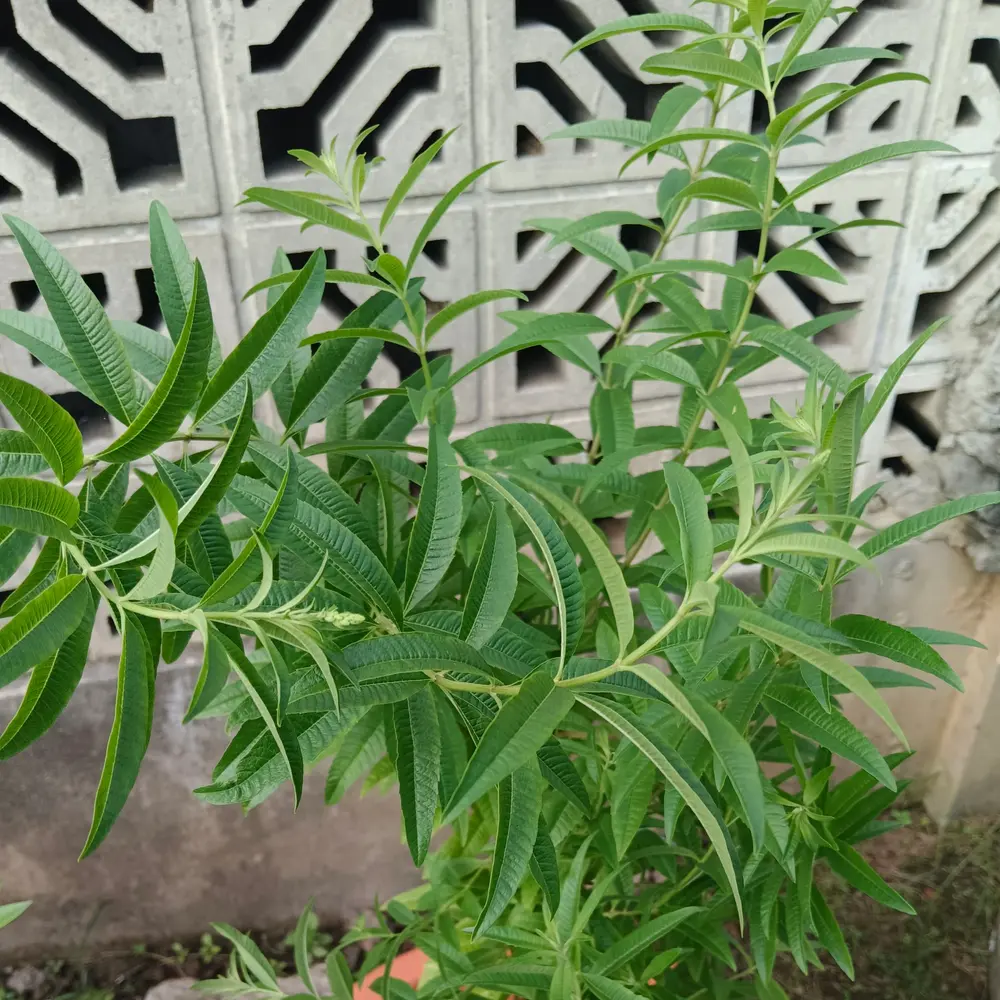
Best Fertilizer for Sweet Almond Bush 🍪
Aloysia virgata
By the Greg Editorial Team
Sep 28, 2024•4 min read
This article was created with the help of AI so we can cover more plants for you. May contain errors. See one? Report it here.
Cultivate a vibrant sweet almond bush 🌱 with essential fertilization tips for optimal growth and blooming success!
- 🌱 Choose between organic and synthetic fertilizers for optimal sweet almond bush health.
- 📅 Fertilize in spring and summer every 6-8 weeks for best growth and blooms.
- ⚖️ Monitor for over-fertilization symptoms like wilting and adjust practices accordingly.
Types of Fertilizers
🌱 Organic vs. Synthetic Fertilizers
When it comes to fertilizing your sweet almond bush, you have two main options: organic and synthetic fertilizers.
Organic options like compost, bone meal, and fish emulsion not only nourish your plants but also improve soil health over time. They release nutrients slowly, ensuring a steady supply for your plants.
On the other hand, synthetic fertilizers are chemical-based and provide quick nutrient availability. They offer precise NPK (Nitrogen, Phosphorus, Potassium) ratios, making it easy to tailor your fertilization to specific plant needs.
⚖️ Recommended NPK Ratios
For sweet almond bushes, the ideal NPK ratios are typically 10-10-10 or 5-10-5.
These ratios support blooming and growth by providing a balanced supply of nutrients. The first number represents nitrogen for foliage, the second phosphorus for blooms, and the third potassium for overall health.
⏳ Slow-Release vs. Quick-Release Fertilizers
Slow-release fertilizers are fantastic for long-term feeding. They gradually release nutrients, making them effective for several months, which means less frequent applications for you.
In contrast, quick-release fertilizers offer an immediate nutrient boost. Use them during critical growth phases, like spring or early summer, to maximize your plant's potential.
Understanding these options will help you choose the best fertilizer for your sweet almond bush, setting the stage for vibrant blooms and healthy growth. Next, let’s explore the best fertilization schedule to keep your plants thriving.
Fertilization Schedule
Best Times to Fertilize 🌱
Timing is everything when it comes to fertilizing your sweet almond bush. For optimal growth, aim to fertilize in spring, specifically between March and April. This is when your plant is waking up from dormancy and needs that extra boost.
In summer, typically from June to July, it's crucial to support blooming. This is the time when your bush is actively producing flowers, and a little extra nourishment can go a long way.
Frequency of Fertilization Throughout the Growing Season 📅
As a general rule, fertilize every 6-8 weeks during the active growing season. This frequency helps ensure your sweet almond bush gets the nutrients it needs without overwhelming it.
Keep an eye on how your plant responds. If it seems to be thriving, you might stick to the schedule. However, if you notice any signs of stress, be ready to adjust your fertilization practices accordingly.
By staying attentive to your plant's needs, you can cultivate a healthy and vibrant sweet almond bush that flourishes throughout the seasons.
Next, let's explore the best application methods to ensure your fertilizer works effectively.
Application Methods
How to Apply Granular Fertilizers 🌱
Applying granular fertilizers is straightforward.
- Measure the appropriate amount based on package instructions.
- Evenly distribute it around the base of the plant.
- Water thoroughly to activate the fertilizer.
This method ensures that nutrients penetrate the soil effectively, promoting healthy growth.
How to Apply Liquid Fertilizers 💧
Liquid fertilizers can provide a quick nutrient boost.
- Dilute according to the manufacturer’s instructions.
- Apply directly to the soil, avoiding the foliage.
- Water lightly after application to prevent burn.
This technique allows for rapid absorption, making it ideal for immediate needs.
Tips for Even Distribution and Avoiding Root Burn ⚖️
Even distribution is key to effective fertilization.
- Use a broadcast spreader for granular fertilizers to ensure uniform coverage.
- Avoid applying too close to the plant stem to prevent root burn.
- Monitor moisture levels to prevent fertilizer concentration, which can harm the plant.
These simple tips can make a significant difference in your fertilization success.
By mastering these application methods, you’ll set your sweet almond bush up for thriving growth and abundant blooms. Next, let’s explore the signs of over-fertilization to ensure your plants remain healthy and vibrant.
Signs of Over-Fertilization
🌱 Symptoms of Fertilizer Burn
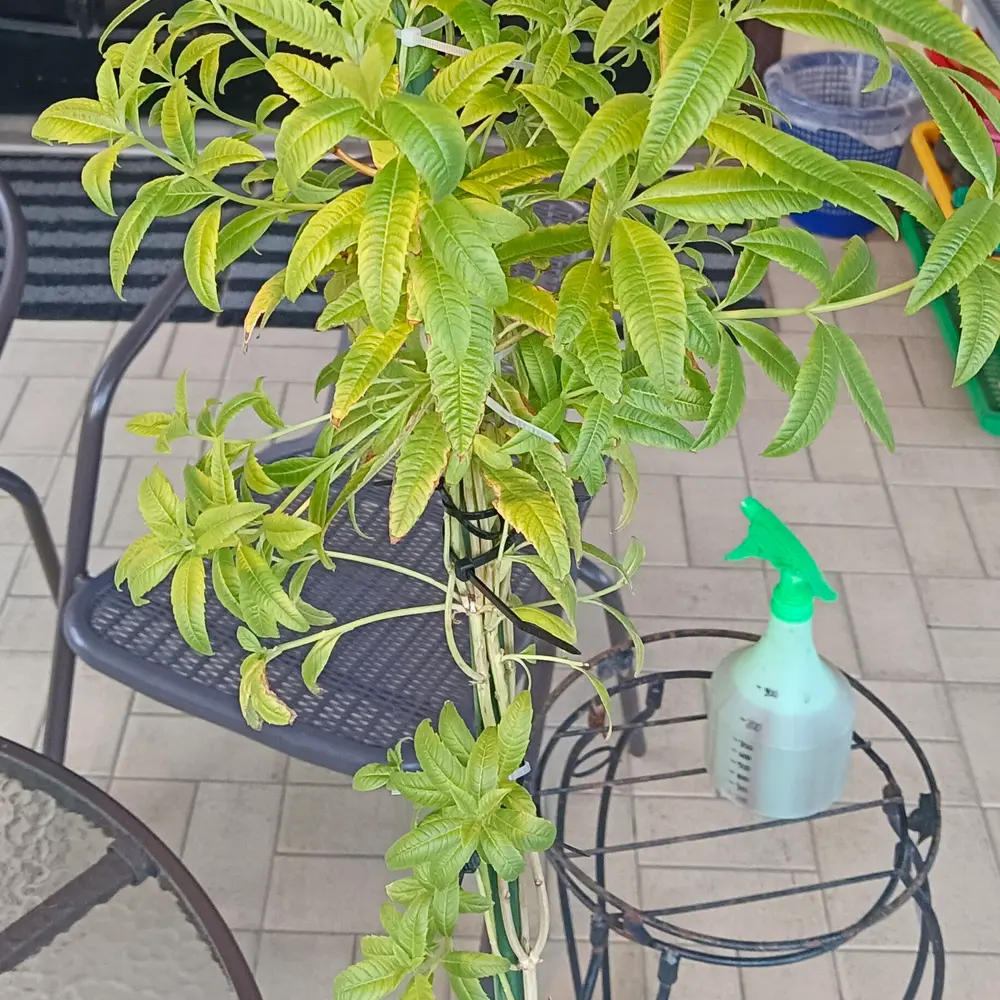
Over-fertilization can lead to noticeable symptoms in your sweet almond bush. Look out for leaf discoloration, particularly yellowing or browning edges, which can indicate nutrient overload.
Another sign is wilting, even when the plant is adequately watered. This paradox often points to root stress caused by excess nutrients. You might also notice reduced blooming or stunted growth, signaling that your plant is struggling to cope.
🚿 How to Remedy Over-Fertilization
If you suspect over-fertilization, the first step is to flush the soil with water. This helps dilute the excess nutrients and can alleviate stress on the roots.
Next, keep a close eye on your plant's health. Adjust your fertilization practices based on its response and the soil conditions. For a more precise approach, consider soil testing to assess nutrient levels and tailor your care accordingly.
Understanding these signs and remedies can help you maintain a thriving sweet almond bush, ensuring it gets the right nutrients without the risk of overdoing it. Now, let’s explore the best times to fertilize for optimal growth.
⚠️ Safety First
This content is for general information and may contain errors, omissions, or outdated details. It is not medical, veterinary advice, or an endorsement of therapeutic claims.
Always consult a qualified healthcare professional before using any plant as food, medicine, or supplement.
Never eat any plant (or feed one to pets) without confirming its identity with at least two trusted sources.
If you suspect poisoning, call Poison Control (800) 222-1222, the Pet Poison Helpline (800) 213-6680, or your local emergency service immediately.
Spotted an error? Please report it here.
Nurture your sweet almond bush to bloom brilliantly 🌼 with Greg's personalized fertilization reminders and expert tips for optimal growth throughout the season!