Managing Yellow Leaves on Your Sweet Almond Bush 🌰
Aloysia virgata
By the Greg Editorial Team
Sep 28, 2024•6 min read
This article was created with the help of AI so we can cover more plants for you. May contain errors. See one? Report it here.
Transform yellowing leaves into lush greenery 🌱 with essential tips for diagnosing and reviving your Sweet Almond Bush!
- 🌱 Yellow leaves indicate issues like nutrient deficiencies, pests, or overwatering.
- 💧 Overwatering and underwatering both cause yellowing; maintain consistent moisture for health.
- 🐛 Inspect for pests like aphids; they can lead to yellow leaves and damage.
Causes of Yellow Leaves
🌱 Nutrient Deficiencies
Nitrogen Deficiency
Yellowing of older leaves and stunted growth are classic signs of nitrogen deficiency. This nutrient is vital for chlorophyll production, which is essential for a healthy, green plant.
Iron Deficiency
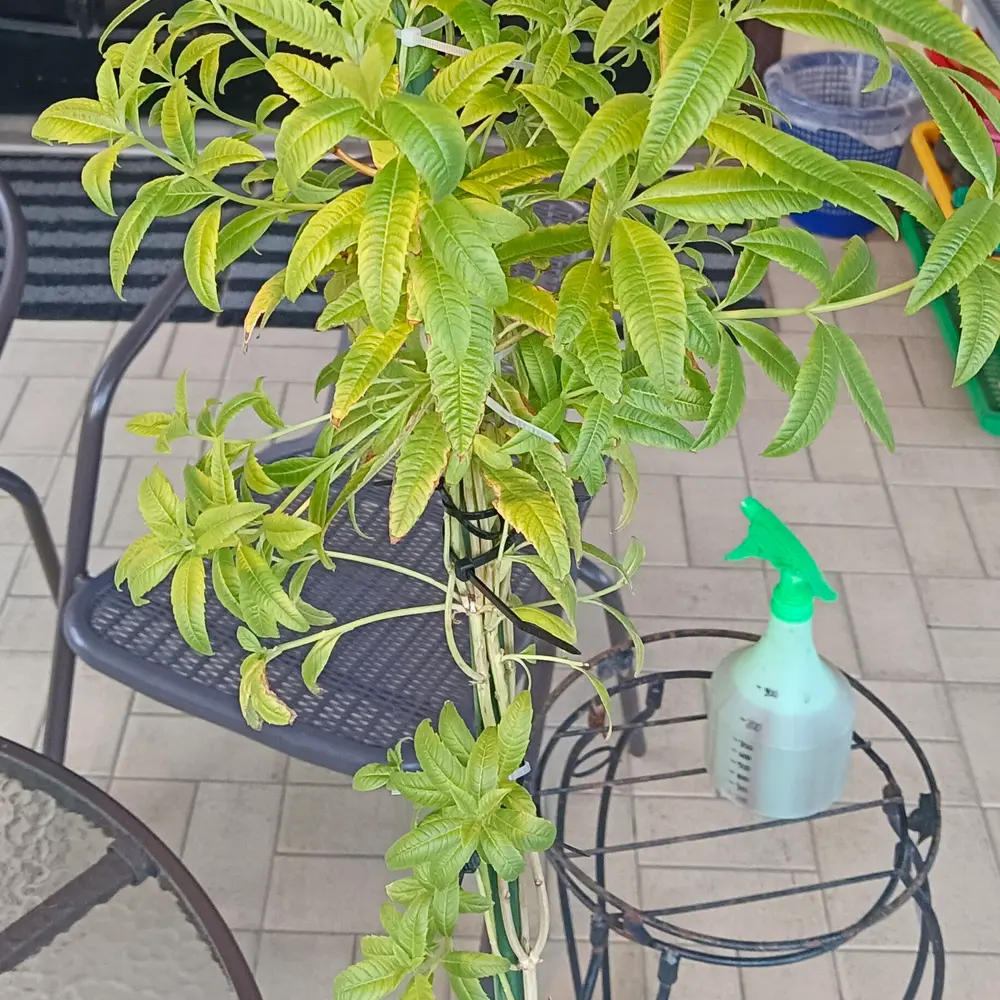
If you notice yellowing between leaf veins while the veins themselves remain green, your sweet almond bush may be suffering from iron deficiency. Iron is crucial for photosynthesis and overall plant health.
💧 Overwatering and Root Rot
Signs of Overwatering
Yellowing leaves, wilting, and mushy roots indicate overwatering. The sweet almond bush is particularly sensitive to excess moisture, which can lead to root rot.
Root Rot Identification
Dark, slimy roots and a foul odor from the soil are telltale signs of root rot. Immediate action is necessary to save your plant from this condition.
🌵 Underwatering and Drought Stress
Signs of Underwatering
Wilting, dry leaf edges, and yellowing leaves suggest your plant is underwatered. Consistent moisture is vital for maintaining healthy foliage.
🐜 Pest Infestations
Aphids
Yellowing leaves accompanied by sticky residue on foliage often point to an aphid infestation. These pests can weaken your plant, leading to further yellowing.
Spider Mites
Look for fine webbing and stippled leaves to identify spider mites. These pests thrive in dry conditions, worsening leaf yellowing.
🍄 Fungal Diseases
Powdery Mildew
White, powdery spots on leaves can lead to yellowing and indicate a fungal infection. Such infections can severely impact the health of your sweet almond bush.
🌡️ Environmental Stress
Temperature Fluctuations
Sudden yellowing can occur due to extreme heat or cold. Sweet almond bushes thrive in stable conditions, so fluctuations can be detrimental.
Light Conditions
Yellowing leaves in low light or scorched leaves in direct sunlight signal improper light exposure. Adequate light is essential for healthy growth.
Understanding these causes is the first step in addressing yellow leaves on your sweet almond bush. Next, we’ll explore how to diagnose the specific issues affecting your plant.
Diagnosing Yellow Leaves
👀 Visual Symptoms to Look For
When diagnosing yellow leaves on your Sweet Almond Bush, start by observing the type of yellowing. General yellowing indicates a broader issue, while localized yellowing often points to specific problems.
Additionally, pay attention to changes in leaf texture. Wilting or crispiness can signal stress that needs immediate attention.
💧 Soil Moisture Testing
Soil moisture is crucial for plant health. Use the finger test: insert your finger into the soil; if it feels dry 1-2 inches down, it’s time to water.
For more precise readings, consider using a soil moisture meter. This tool provides accurate moisture levels, helping you avoid both overwatering and underwatering.
🐛 Leaf Inspection for Pests and Diseases
Next, inspect the leaves for pests. Look for visible insects, webbing, or sticky residue, which can indicate an infestation.
Also, check for signs of disease. Discoloration, spots, or powdery substances on the leaves can signal fungal infections or other health issues.
🌤️ Assessing Environmental Conditions
Environmental factors play a significant role in plant health. Monitor local weather conditions and indoor humidity levels to ensure your Sweet Almond Bush thrives.
Finally, evaluate the plant's light exposure. Adequate sunlight is essential; too little or too much can lead to yellowing leaves.
By carefully diagnosing these symptoms, you can take the necessary steps to restore your Sweet Almond Bush to its vibrant self. Next, let's explore how to alleviate yellow leaves effectively.
Alleviating Yellow Leaves
🌊 Adjusting Watering Practices
Overwatering Solutions
To combat overwatering, allow the soil to dry out between waterings. This simple adjustment can make a world of difference for your Sweet Almond Bush.
Improving drainage is also crucial. Consider adding perlite or sand to the soil mix to enhance aeration and prevent waterlogging.
Underwatering Solutions
For underwatering, establish a consistent watering schedule tailored to the season and weather conditions. Regular moisture is key to keeping your plant vibrant and healthy.
🌱 Fertilization Techniques
When to Fertilize
Timing is everything when it comes to fertilizing. Aim to fertilize in early spring and mid-summer for optimal growth.
How to Fertilize
Use a balanced fertilizer and always follow the package instructions for dosage. This ensures your plant receives the nutrients it needs without the risk of over-fertilization.
🐛 Pest Management Strategies
Organic Options
For pest management, consider organic solutions like neem oil and insecticidal soap. Introducing beneficial insects can also help keep harmful pests at bay.
Chemical Options
If the infestation is severe, targeted pesticides can be used as a last resort. Always follow safety guidelines to protect both your plant and the environment.
🍄 Treatment for Fungal Infections
Powdery Mildew Treatment
If you notice powdery mildew, apply fungicides or homemade solutions, such as a mixture of baking soda and water. This can effectively combat the infection.
Preventive Measures
To prevent future fungal issues, ensure good air circulation around your plant. Avoid overhead watering, as this can create a damp environment conducive to fungal growth.
By addressing these key areas, you can effectively alleviate yellow leaves on your Sweet Almond Bush. Next, let’s explore how to prevent yellow leaves from occurring in the first place.
Preventing Yellow Leaves
🌱 Best Practices for Soil Drainage
Soil Composition
To keep your Sweet Almond Bush thriving, use well-draining soil mixes. Raised beds can also enhance drainage, preventing water from pooling around the roots.
Container Considerations
If you're growing in pots, ensure they have drainage holes. Opt for potting mixes specifically designed for shrubs to promote healthy root growth.
🔍 Regular Monitoring and Maintenance
Routine Checks
Make it a habit to inspect your plant's leaves and soil moisture weekly. This proactive approach helps catch issues before they escalate.
Seasonal Adjustments
Adapt your care practices according to the seasons. Changes in temperature and light can significantly affect your plant's needs.
🌼 Seasonal Care Tips
Spring Adjustments
In spring, focus on fertilizing and pruning to encourage new growth. This is the time to give your Sweet Almond Bush a fresh start.
Fall Adjustments
As temperatures drop in fall, reduce watering. Preparing your plant for winter is crucial to its survival and health.
✂️ Proper Pruning Techniques
Pruning for Air Circulation
Regularly remove dead or crowded branches to improve airflow. This simple step can prevent fungal diseases and promote overall plant health.
Timing
Aim to prune in late winter or early spring, just before new growth begins. This timing ensures your plant is ready to flourish when the growing season kicks in.
By following these preventive measures, you can maintain the vibrant health of your Sweet Almond Bush and enjoy its beauty year-round. Next, let’s explore how to diagnose yellow leaves effectively.
⚠️ Safety First
This content is for general information and may contain errors, omissions, or outdated details. It is not medical, veterinary advice, or an endorsement of therapeutic claims.
Always consult a qualified healthcare professional before using any plant as food, medicine, or supplement.
Never eat any plant (or feed one to pets) without confirming its identity with at least two trusted sources.
If you suspect poisoning, call Poison Control (800) 222-1222, the Pet Poison Helpline (800) 213-6680, or your local emergency service immediately.
Spotted an error? Please report it here.
Revive your Sweet Almond Bush and banish yellow leaves 🌿 with Greg's personalized care tips and watering reminders that ensure your plant stays vibrant and healthy!