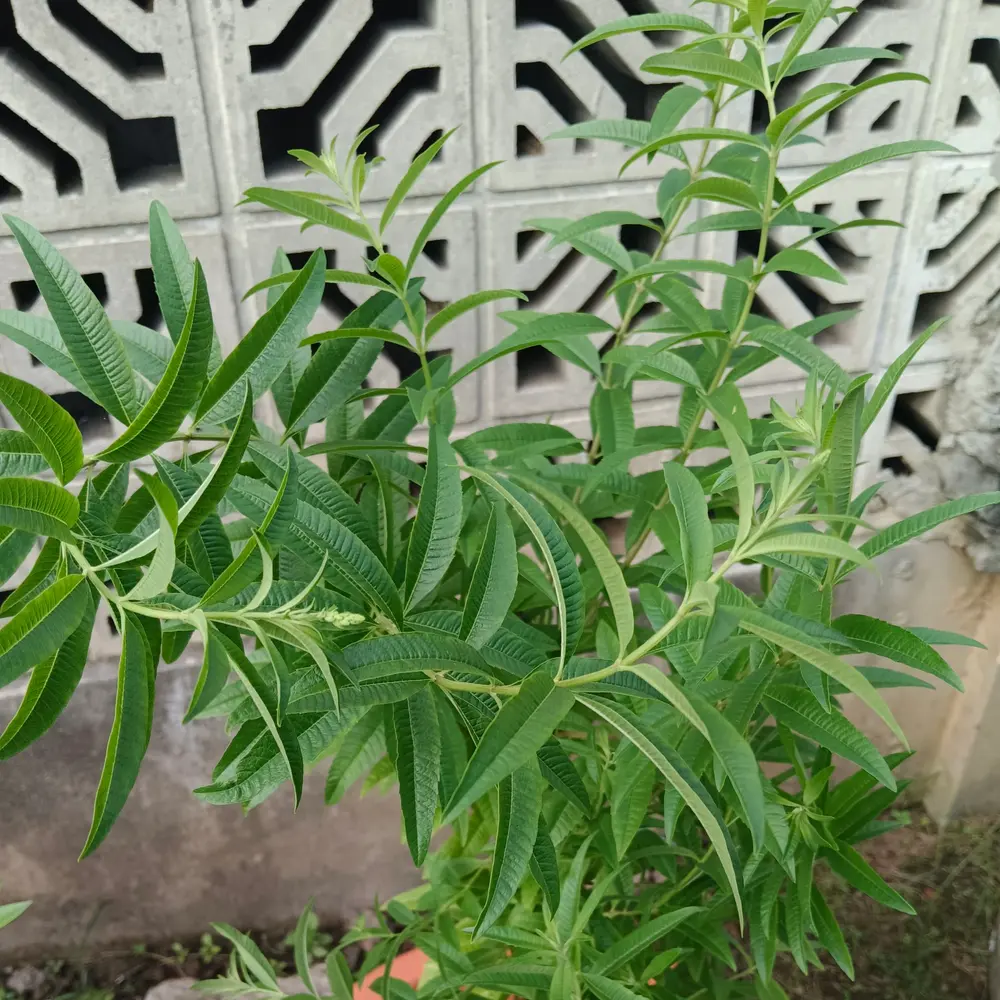
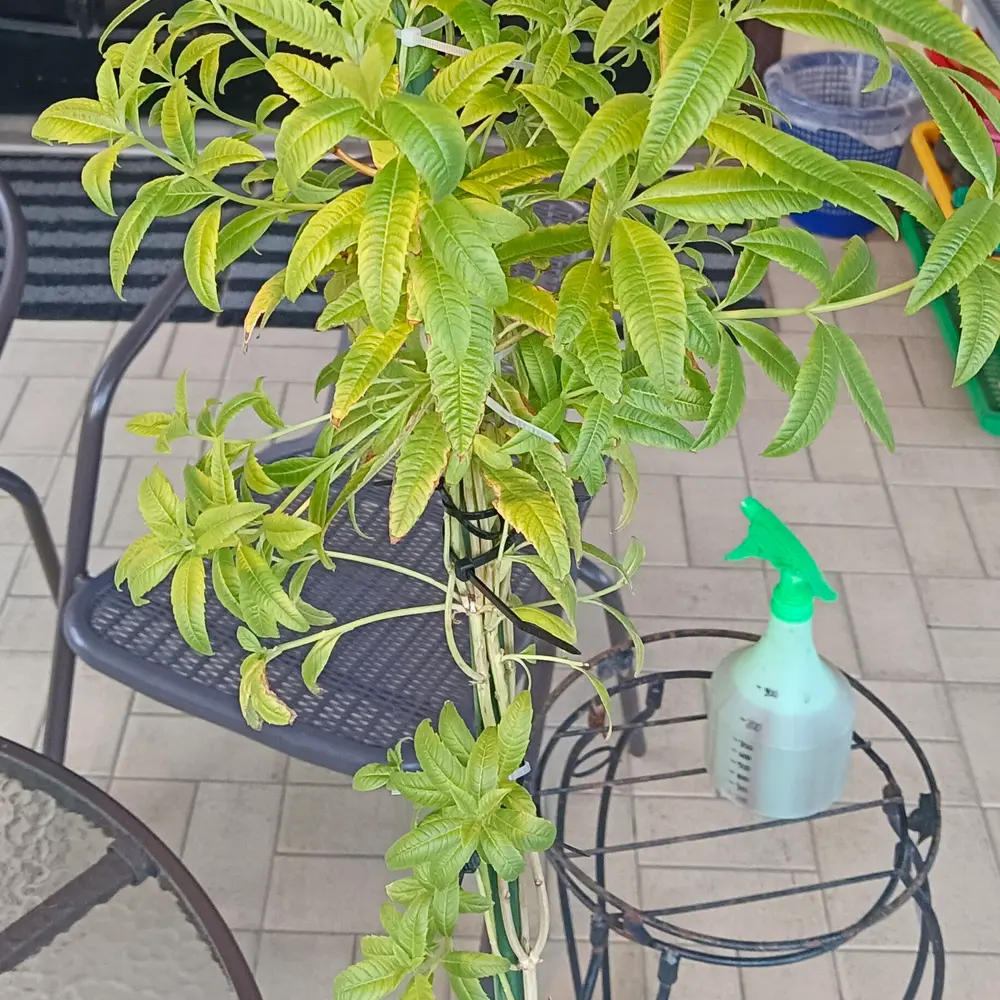
4 Outdoor Care Hacks for Almond Verbena 🌰
Aloysia virgata
By the Greg Editorial Team
Oct 12, 2024•5 min read
This article was created with the help of AI so we can cover more plants for you. May contain errors. See one? Report it here.
Unlock vibrant blooms of almond verbena 🌼 with essential care tips for a thriving garden!
- 🌞 Almond verbena needs 6-8 hours of sunlight daily for optimal growth.
- 💧 Water regularly when young, then every 2-3 weeks once established.
- 🌱 Use well-draining soil with pH 6.0-7.0 for healthy almond verbena.
Outdoor Care Requirements
🌞 Sunlight Needs and Optimal Placement
Almond verbena thrives in full sun, requiring 6-8 hours of direct sunlight daily. For optimal growth, place it in south-facing locations to maximize exposure.
Insufficient sunlight can lead to stunted growth and fewer blooms, so ensure your plant gets its daily dose of sunshine.
💧 Watering Requirements and Frequency
When first planted, almond verbena needs regular watering, about 1-2 times per week, until established. Once settled, you can reduce watering to every 2-3 weeks, depending on rainfall.
Be cautious of overwatering; yellowing leaves and root rot are telltale signs that your plant is getting too much moisture.
🌱 Soil Preferences and Amendments
Almond verbena prefers well-draining soil to prevent root rot. Aim for a slightly acidic to neutral pH, ideally between 6.0 and 7.0.
To enhance drainage and fertility, incorporate organic matter like compost into the soil. This simple amendment can make a significant difference in your plant's health.
🌿 Fertilization Tips and Schedules
Fertilize your almond verbena every 4-6 weeks during the growing season for optimal growth. Balanced NPK fertilizers, such as 10-10-10, or organic options work well.
Watch for signs of nutrient deficiency, like yellowing leaves and poor growth, which indicate it’s time to boost your plant’s diet.
With these outdoor care requirements in mind, your almond verbena will flourish beautifully. Next, let’s explore the best planting options for this vibrant plant.
Planting Options
🌱 Container Planting
Container planting offers fantastic mobility, allowing you to reposition your almond verbena as needed. This method also gives you control over soil quality, making it ideal for small spaces.
However, keep in mind that containers limit root space, which can restrict growth. You'll also need to water more frequently, as pots tend to dry out faster than garden beds.
🌍 In-Ground Planting
In-ground planting allows for greater root expansion, which can lead to healthier, more robust plants. This option typically requires less frequent watering, as the soil retains moisture better than containers.
On the downside, soil quality can vary significantly in garden beds. You also have less control over environmental factors, which can impact your plant's health and growth.
Choosing between these two options depends on your space, lifestyle, and commitment to care. Each method has its perks and challenges, so consider what works best for you and your almond verbena.
Protection from Environmental Factors
🌦️ Weather Protection Strategies
To keep your almond verbena thriving, start with mulching. A 2-3 inch layer of organic mulch not only retains moisture but also helps regulate soil temperature.
Next, consider windbreaks. Using fencing or strategically placed shrubs can shield your plants from strong winds, which can cause stress and damage.
For those unexpected cold snaps, frost protection is key. Cover your plants with frost cloth to safeguard them from freezing temperatures.
🐞 Outdoor Pests and Management
Aphids can be a nuisance for almond verbena. Look for signs like curled leaves or sticky residue, and control them with insecticidal soap or neem oil.
Spider mites are another common pest. Watch for fine webbing on leaves; if spotted, increase humidity around the plant or use a strong spray of water to dislodge them.
Regular monitoring is crucial. Early intervention can save your plants from severe infestations and keep them healthy.
🦠 Diseases and Prevention Methods
Root rot is a serious concern for almond verbena. Symptoms include wilting and yellowing leaves, often due to overwatering. To prevent this, ensure your soil is well-draining and avoid excessive moisture.
Powdery mildew can also affect your plants, presenting as a white, powdery coating on leaves. To prevent it, ensure good air circulation and avoid overhead watering.
By staying vigilant against pests and diseases, you can enjoy a flourishing almond verbena garden. Now, let’s explore how seasonal changes impact your care routine.
Seasonal Care
🌱 Seasonal Changes and Their Impact
Spring is the perfect time to plant almond verbena and kickstart fertilization. Keep an eye out for pests, as they can become more active during this season.
In summer, regular watering and maintenance are crucial. Watch for signs of heat stress, which can affect your plant's health.
❄️ Winter Care Tips
For those in cooler climates, consider bringing your containers indoors or providing extra insulation to protect them from harsh conditions.
Applying a layer of mulch can safeguard the roots from freezing temperatures, ensuring your plants stay cozy through winter.
🌸 Spring Growth and Maintenance Tasks
As spring rolls around, it's time to prune your almond verbena. Trim back any dead or damaged growth to encourage fresh, vibrant new shoots.
Start your fertilization schedule as soon as you notice new growth appearing. This will help your plants thrive as they awaken from dormancy.
With these seasonal care tips, your almond verbena will flourish throughout the year. Next, let’s explore climate zone considerations to ensure your plants thrive in their specific environments.
Climate Zone Considerations
🌞 Best Climate Zones for Growing
Almond verbena thrives in USDA Zones 8-11. These zones offer the warm temperatures and sunlight that this plant craves, making it an ideal choice for sunny gardens.
In warmer climates, almond verbena's drought tolerance becomes a significant advantage. This characteristic allows for less frequent watering, making it easier to maintain during hot spells.
❄️ Special Considerations for Different Climates
If you're in a cooler climate, you may need to treat almond verbena as an annual. Alternatively, providing winter protection can help it survive the colder months.
For those in hot, dry climates, ensure you keep a close eye on watering during peak summer months. Adequate moisture is crucial to prevent stress and keep your plants thriving.
Understanding these climate considerations will help you make informed decisions about growing almond verbena successfully. Now, let’s explore seasonal care to keep your plants healthy year-round.
⚠️ Safety First
This content is for general information and may contain errors, omissions, or outdated details. It is not medical, veterinary advice, or an endorsement of therapeutic claims.
Always consult a qualified healthcare professional before using any plant as food, medicine, or supplement.
Never eat any plant (or feed one to pets) without confirming its identity with at least two trusted sources.
If you suspect poisoning, call Poison Control (800) 222-1222, the Pet Poison Helpline (800) 213-6680, or your local emergency service immediately.
Spotted an error? Please report it here.
Unlock your almond verbena's full potential 🌼 with Greg's tailored care reminders and expert advice, ensuring your garden flourishes all season long!