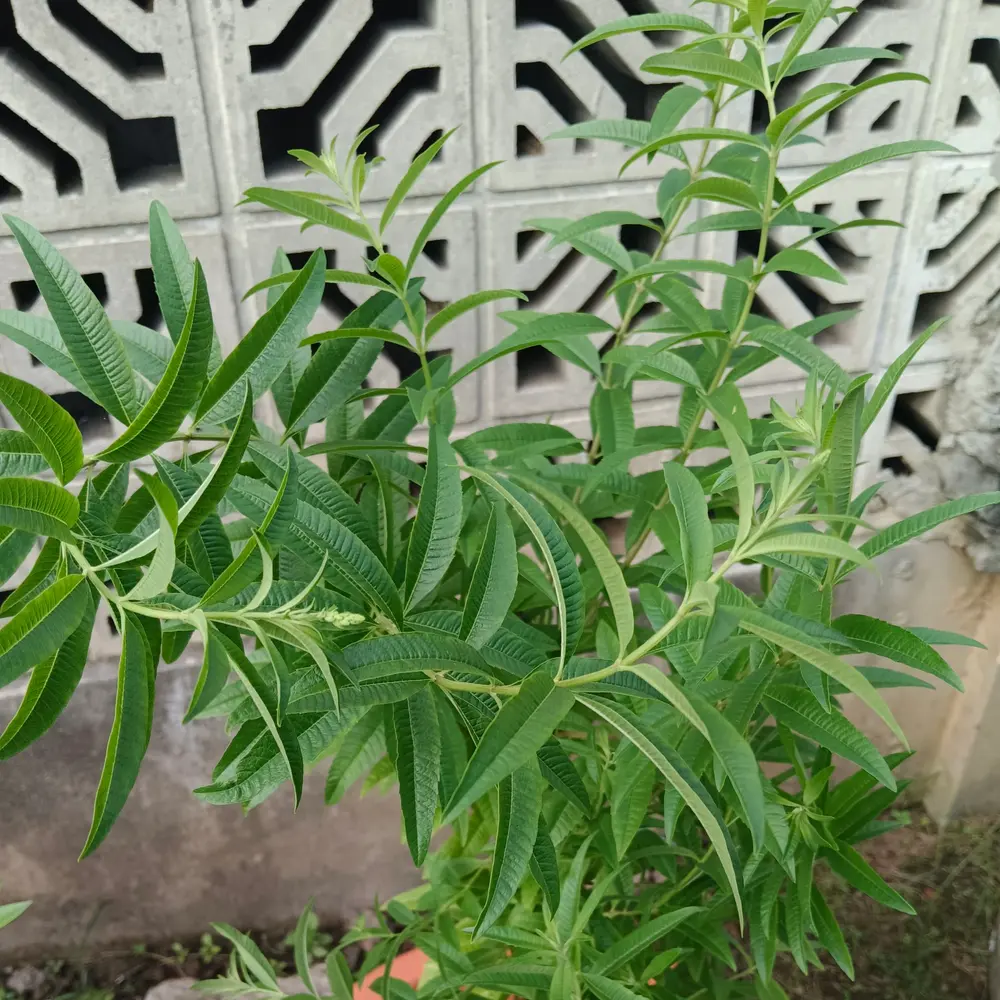
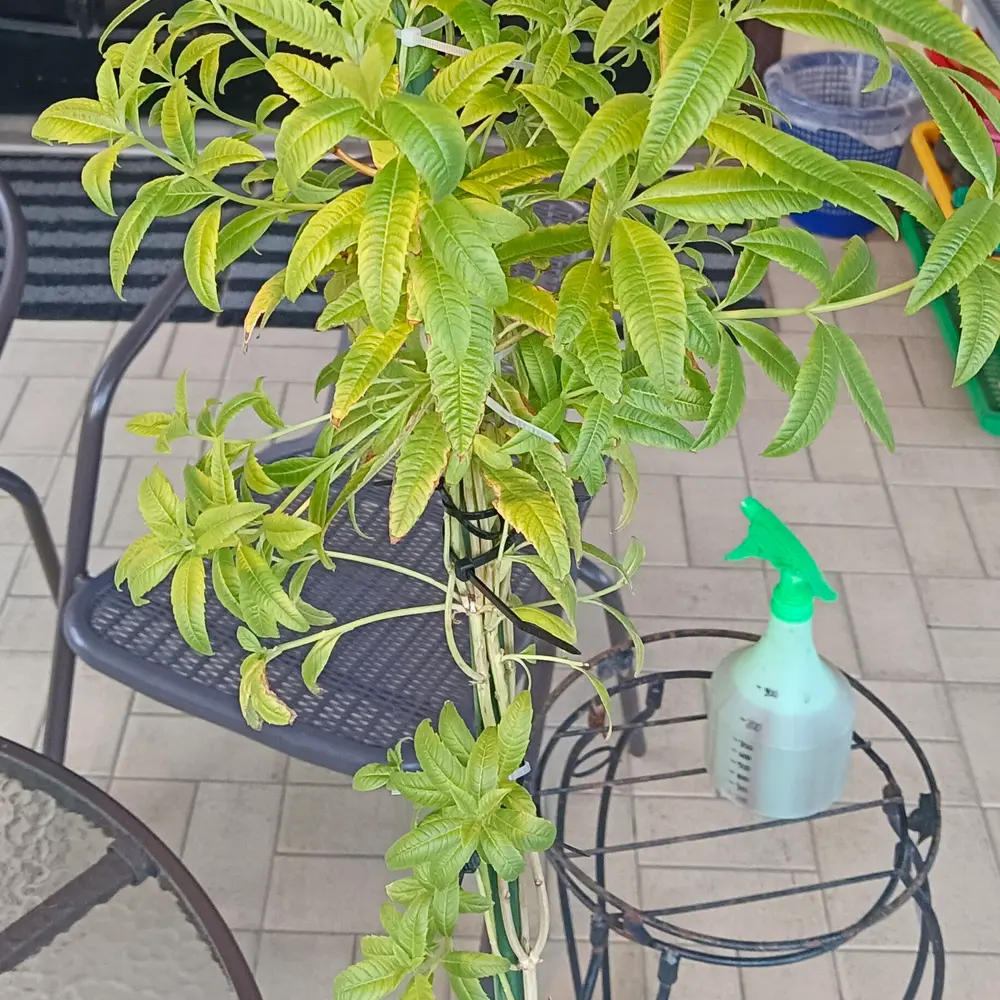
Ultimate Guide to Fixing Brown Spots on Almond Verbena 🩹
Aloysia virgata
By the Greg Editorial Team
Oct 12, 2024•5 min read
This article was created with the help of AI so we can cover more plants for you. May contain errors. See one? Report it here.
Revive your almond verbena 🌱 with essential tips on watering, sunlight, and pest control for vibrant growth!
- 💧 Proper watering is key; let soil dry slightly between waterings for healthy growth.
- ☀️ Almond verbena needs full sun; ensure at least six hours of direct sunlight daily.
- 🐛 Watch for pests and fungi; use organic treatments like neem oil for brown spots.
Diagnosing the Problem
Assessing Watering Practices 🌊
Watering is crucial for the health of your almond verbena. Overwatering can lead to yellowing leaves and mushy roots, while underwatering often results in wilting and crispy leaf edges.
To maintain optimal health, aim for a watering schedule that allows the soil to dry slightly between waterings. Typically, watering once a week is effective, but adjust based on your climate and the plant's needs.
Evaluating Sunlight Exposure ☀️
Almond verbena thrives in full sun, requiring at least six hours of direct sunlight daily. If your plant shows signs of leaf scorch and browning, it may be getting too much sun.
Conversely, stunted growth and a leggy appearance indicate insufficient sunlight. Finding the right balance is key to a vibrant, healthy plant.
Checking for Pests and Diseases 🐛
Pests like aphids and spider mites can wreak havoc on your almond verbena. Look for webbing, sticky residue, or visible insects as signs of infestation.
Fungal infections can also pose a threat. Recognizing symptoms such as discolored leaves or unusual spots will help you take action before the problem escalates.
Treatment Options
🌱 Organic Treatments for Fungal Infections
Fungal infections can wreak havoc on your almond verbena, but organic treatments can help restore its health. Neem oil is a powerful ally; mix it with water and a few drops of dish soap, then spray it on affected leaves every two weeks.
Another effective remedy is a baking soda solution. Combine one tablespoon of baking soda with a gallon of water and spray it on the leaves to combat fungal growth.
Maintaining plant hygiene is crucial. Regularly clean your plants by removing dead leaves and debris to prevent fungal spores from taking hold.
🐛 Chemical Treatments for Pests
If pests invade your almond verbena, chemical treatments may be necessary. Look for recommended pesticides that target specific pests like aphids and spider mites. Always follow the application guidelines to ensure effectiveness.
Safety is paramount when using chemicals. Wear gloves and a mask, and apply pesticides in the early morning or late evening to minimize harm to beneficial insects.
Timing is everything. Apply treatments during peak pest activity for maximum effectiveness, usually in the spring and early summer.
💧 Adjusting Watering and Fertilization
Correcting your watering practices can significantly improve your plant's health. Start by assessing your current schedule and adjust it based on the plant's needs—typically, watering deeply once a week is ideal.
When it comes to fertilization, choose a balanced fertilizer that addresses any deficiencies. Look for options high in nitrogen for leafy growth or phosphorus for flowering.
Finally, monitor your plant's response. Signs of improvement include new growth and vibrant leaves, indicating your adjustments are working.
With these treatment options, your almond verbena can thrive again, setting the stage for preventive measures to keep it healthy long-term.
Preventive Measures
Best Practices for Watering 🌊
Watering your almond verbena properly is crucial for its health. Aim for deep watering to encourage strong root growth, rather than just surface watering, which can lead to shallow roots.
Adjust your watering schedule seasonally. In warmer months, your plant may need more frequent watering, while cooler months might require less.
To monitor moisture levels, consider using moisture meters or simply perform a finger test. This ensures you’re not over or under-watering your plant.
Soil Preparation and Drainage Tips 🏺
Well-draining soil is essential for preventing brown spots on your almond verbena. A mix of potting soil and perlite or sand can enhance drainage and aeration.
If you’re looking to improve drainage, adding perlite or sand to your soil mix is a great technique. This helps prevent water from pooling around the roots.
For container gardening, always choose pots with drainage holes. This allows excess water to escape, keeping your plant healthy.
Seasonal Care Routines 🌦️
Each season brings unique care needs for your almond verbena. In spring, focus on preparing the plant for growth and addressing any potential issues.
During summer, manage heat stress by ensuring adequate watering. Your plant may need extra attention as temperatures rise.
As fall and winter approach, prepare your almond verbena for dormancy. Reduce watering to prevent root rot during these cooler months.
By following these preventive measures, you can maintain a vibrant and healthy almond verbena. Next, let’s explore common misconceptions that can mislead even seasoned gardeners.
Common Misconceptions
🕵️♂️ Myths About Brown Spots and Plant Health
Many gardeners hold misconceptions about the causes of brown spots on their almond verbena. One common myth is that these spots are always a sign of disease; however, they can also result from environmental stressors like improper watering or sunlight exposure.
Humidity plays a crucial role in leaf health, yet many underestimate its impact. High humidity can help prevent brown spots, while low humidity can exacerbate issues, leading to crispy edges and discoloration.
☀️ Clarifying the Role of Sunlight and Water
Sunlight requirements for almond verbena are often misunderstood. Some believe that these plants can thrive in partial shade, but they actually prefer full sun to flourish and produce vibrant foliage.
Watering myths also abound. Many think that more frequent watering is always better, but overwatering can lead to root rot and brown spots. It's essential to find a balance that suits your plant's needs.
When to Seek Professional Help
🚨 Signs That Indicate a Serious Issue
If brown spots persist despite your best treatment efforts, it’s time to take a closer look. This could signal a deeper problem that requires professional intervention.
Other concerning symptoms include wilting, stunted growth, and an overall decline in plant health. These signs often indicate that your almond verbena is struggling more than you might realize.
🌱 Consulting with Local Horticulturists or Extension Services
Seeking professional advice can be a game changer. Local horticulturists possess expertise tailored to your specific climate and conditions, making their insights invaluable.
To find these resources, check out local extension services or gardening clubs in your area. They often offer workshops, consultations, and a wealth of knowledge to help you get your plants back on track.
⚠️ Safety First
This content is for general information and may contain errors, omissions, or outdated details. It is not medical, veterinary advice, or an endorsement of therapeutic claims.
Always consult a qualified healthcare professional before using any plant as food, medicine, or supplement.
Never eat any plant (or feed one to pets) without confirming its identity with at least two trusted sources.
If you suspect poisoning, call Poison Control (800) 222-1222, the Pet Poison Helpline (800) 213-6680, or your local emergency service immediately.
Spotted an error? Please report it here.
Keep your almond verbena thriving 🌱 by using Greg's tailored watering reminders and expert tips to banish those pesky brown spots for good!