❄️ Ultimate Guide to Winter Care for Almond Verbena
Aloysia virgata
By the Greg Editorial Team
Oct 12, 2024•5 min read
This article was created with the help of AI so we can cover more plants for you. May contain errors. See one? Report it here.
Protect your almond verbena this winter 🌿 to ensure a thriving, vibrant spring growth ahead!
- ❄️ Protect almond verbena from frost using cloths and mulch for insulation.
- 🌱 Adjust winter watering to prevent root issues; monitor soil moisture closely.
- 🌞 Ensure 6-8 hours of light indoors; use grow lights if necessary.
Winter Care Techniques
❄️ Frost Protection Methods
Frost can be a real threat to your almond verbena, but there are simple ways to shield your plants.
Physical Barriers
Using frost cloths is an effective method; just cover your plants during those chilly nights. Additionally, applying a layer of mulch around the base helps insulate the roots, keeping them cozy.
Relocating Pots
If you have container plants, consider moving them to sheltered areas. Cold frames can also provide that extra layer of protection, ensuring your plants stay safe from harsh winter elements.
💧 Adjusting Watering Schedules
Watering needs change during winter, so it’s essential to adjust your routine.
Soil Moisture Management
During dormancy, reduce your watering frequency. Aim for slightly dry conditions by regularly checking soil moisture levels; this helps prevent root issues.
Signs of Overwatering
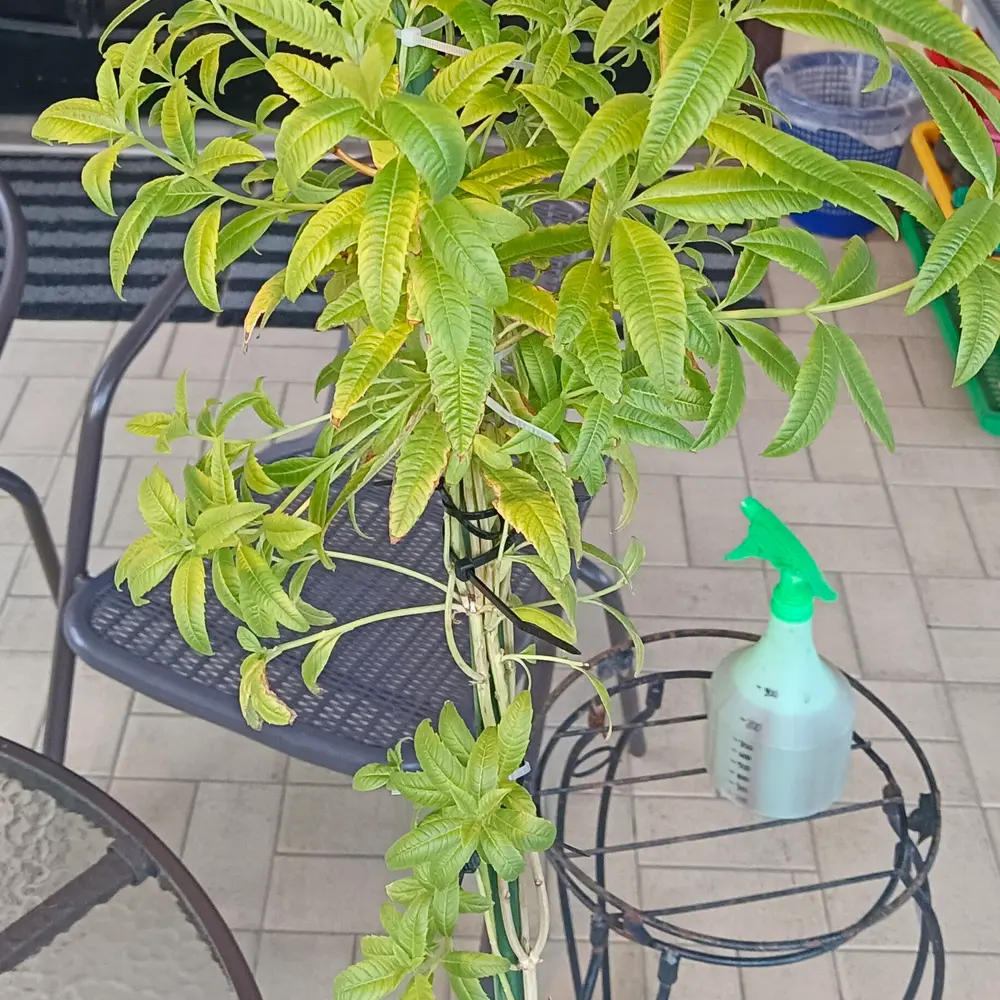
Keep an eye out for yellowing leaves and signs of root rot. These symptoms indicate that your plants might be getting too much water, so adjust accordingly.
🌱 Fertilizing During Winter
Fertilizing in winter requires a careful approach to avoid harming your plants.
Importance of Reduced Fertilization
During dormancy, it’s crucial to avoid nutrient burn. Your almond verbena doesn’t need much food when it’s not actively growing.
Recommended Practices
If you must fertilize, use a diluted, balanced fertilizer sparingly. Only consider this if you notice growth resuming during warmer spells, ensuring your plants get the nutrients they need without overdoing it.
With these winter care techniques, your almond verbena will be well-prepared to thrive. Next, let’s explore how to transition your plants indoors for the colder months.
Indoor Care for Almond Verbena
🌱 Transitioning Plants Indoors
Timing is crucial when moving your almond verbena indoors. Aim to transition them before the first frost hits; keep an eye on local weather forecasts to ensure you’re prepared.
To make the shift smoother, gradually acclimate your plants to indoor conditions over a week. This helps them adjust without shock. Don’t forget to inspect for pests before bringing them inside; a quick check can save you from future headaches.
☀️ Light Requirements Indoors
Almond verbena thrives on bright, indirect sunlight. Aim for 6-8 hours of light daily to keep your plants healthy and vibrant.
If natural light falls short, consider using grow lights. They can provide the extra boost your plants need during the darker winter months.
💧 Humidity Considerations
Maintaining the right humidity is essential for your almond verbena's health. Aim for a range of 40%-60% to keep them thriving indoors.
To increase humidity, try grouping your plants together. This creates a microenvironment that retains moisture. Alternatively, use a humidifier or pebble trays filled with water to boost humidity levels effectively.
Transitioning your almond verbena indoors and ensuring they receive the right light and humidity will set them up for success. Next, let’s explore how to prepare them for spring growth.
Spring Preparation
Signs of Recovery from Winter Damage 🌱
As winter fades, look for signs that your almond verbena is bouncing back. New leaf growth and vibrant color are excellent indicators of a healthy recovery.
Another sign to watch for is the resilience in stem firmness. If the stems feel strong and upright, your plant is on the right track.
Pruning and Maintenance in Spring ✂️
Timing is key when it comes to pruning. Aim to prune in early spring, just before new growth begins.
Focus on removing dead or damaged branches to encourage fresh growth. Shaping the plant will also help it thrive and maintain an appealing form.
Fertilizing and Watering Adjustments for Spring Growth 💧
As growth resumes, it’s time to transition to regular fertilization. Use a balanced fertilizer to support your plant’s recovery.
Adjust your watering schedule as temperatures rise. Increase frequency while keeping an eye on soil moisture to avoid overwatering.
With these spring preparation tips, your almond verbena will be set for a vibrant growing season. Next, let’s explore common winter problems and how to tackle them effectively.
Common Winter Problems and Solutions
❄️ Identifying Frost Damage
Frost can wreak havoc on your almond verbena, leaving telltale signs of distress. Look for blackened or mushy leaves and wilting or drooping stems as clear indicators of frost damage.
To help your plant recover, prune away the damaged areas promptly. This not only improves appearance but also encourages new growth.
💧 Addressing Overwatering or Underwatering
Watering can be tricky during winter months. Signs of overwatering include root rot and yellowing leaves, while underwatering manifests as wilting and dry soil.
To maintain a healthy balance, adjust your watering frequency based on current weather conditions. Keeping a close eye on your plant's needs will help prevent these common issues.
🐜 Pest Management During Winter Months
Winter doesn't mean pests take a break. Common culprits like aphids and spider mites can still invade your plants.
Regular inspections are key to early detection. If you spot any pests, using insecticidal soap can help control the situation. Additionally, maintaining overall plant health will deter infestations, keeping your almond verbena thriving through the colder months.
As you navigate these winter challenges, remember that proactive care can make all the difference. With the right strategies, your almond verbena will emerge ready for spring!
⚠️ Safety First
This content is for general information and may contain errors, omissions, or outdated details. It is not medical, veterinary advice, or an endorsement of therapeutic claims.
Always consult a qualified healthcare professional before using any plant as food, medicine, or supplement.
Never eat any plant (or feed one to pets) without confirming its identity with at least two trusted sources.
If you suspect poisoning, call Poison Control (800) 222-1222, the Pet Poison Helpline (800) 213-6680, or your local emergency service immediately.
Spotted an error? Please report it here.
Keep your almond verbena thriving this winter ❄️ with Greg's tailored care reminders and expert tips, ensuring it's ready for a vibrant spring!