☀️ Ultimate Guide to Direct Sunlight for Almond Verbena
Aloysia virgata
By the Greg Editorial Team
Oct 12, 2024•4 min read
This article was created with the help of AI so we can cover more plants for you. May contain errors. See one? Report it here.
Master almond verbena's sunlight needs 🌞 for vibrant growth and stunning blooms in your garden! 🌱
- 🌞 Almond verbena needs 6-8 hours of direct sunlight for optimal growth.
- ⚠️ Too much sun causes leaf scorch and fewer blooms; monitor exposure carefully.
- 🪴 Ideal window placements: south and west-facing for best sunlight conditions.
Almond Verbena and Sunlight Needs
🌞 Does Almond Verbena Need Direct Sunlight?
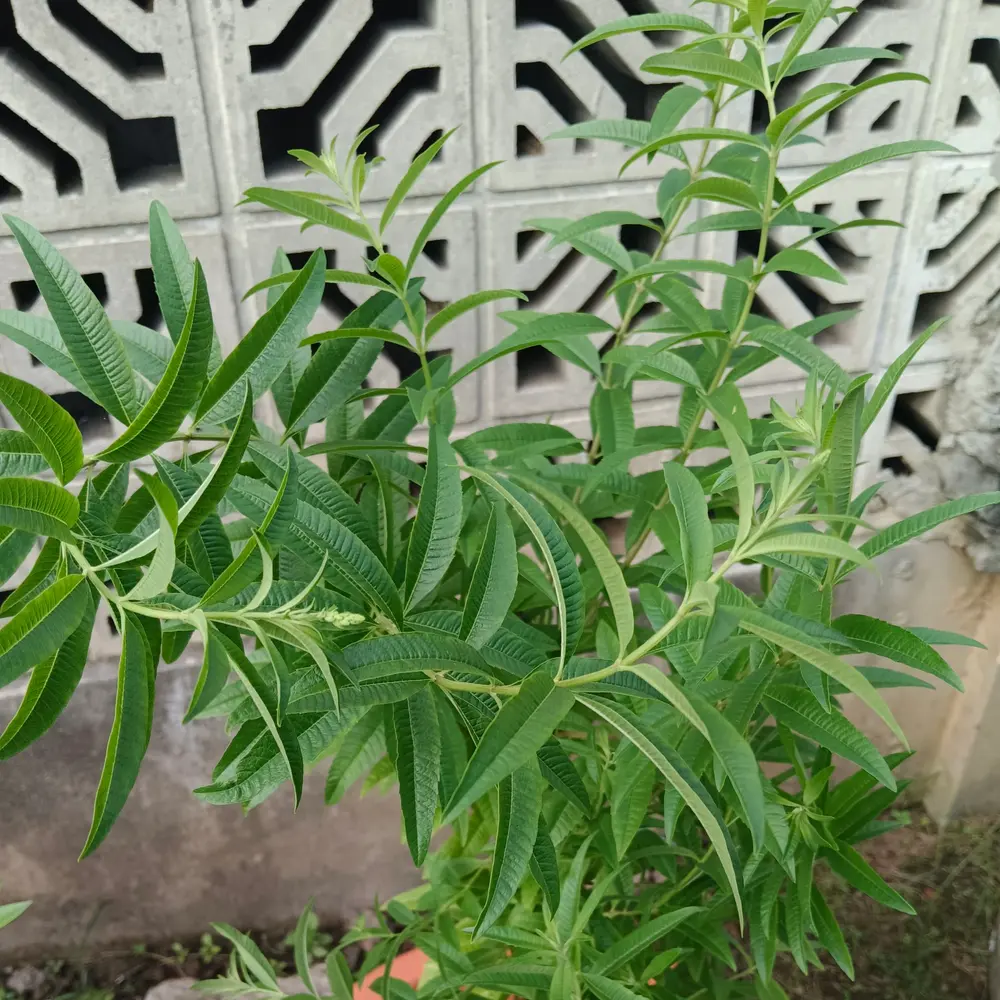
Yes, almond verbena thrives in full sun exposure. Aim for 6-8 hours of direct sunlight daily to keep your plant healthy and vibrant.
☀️ Can Almond Verbena Tolerate Direct Sunlight?
This plant has a high tolerance for direct sunlight, making it perfect for sunny gardens. Consistent exposure not only enhances growth but also boosts flowering.
🔥 Effects of Too Much Direct Sunlight on Almond Verbena
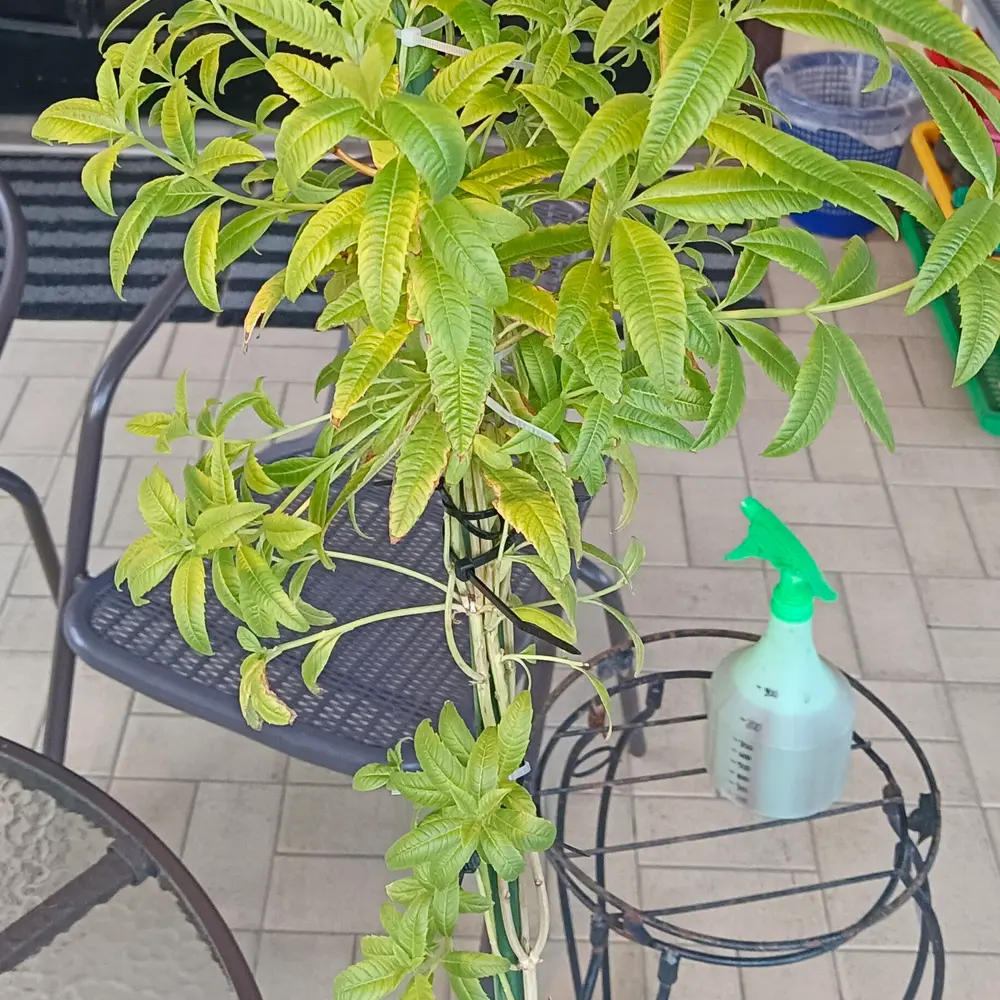
While almond verbena loves the sun, too much can lead to leaf scorch. Look for signs like browning or crispy edges on leaves, which indicate it's time to adjust its light exposure.
Overexposure can also affect flowering, resulting in fewer blooms. Keeping an eye on your plant's condition will help you maintain its beauty and vitality.
With a solid understanding of almond verbena's sunlight needs, you're well-equipped to ensure it flourishes. Next, let's explore how window direction can impact sunlight exposure for your plant.
Window Direction and Sunlight
🌞 Best Window Directions for Almond Verbena
If you want your Almond Verbena to thrive, place it near south-facing windows. These spots provide the maximum sunlight exposure, ensuring your plant gets the 6-8 hours it craves.
West-facing windows are also a solid choice. They capture the afternoon sun, giving your plant a boost during those crucial hours.
🪟 How Window Direction Affects Sunlight Exposure
North-facing windows can be a challenge for Almond Verbena. They offer limited sunlight, making them unsuitable for this sun-loving plant.
On the other hand, east-facing windows provide morning sun, which is beneficial. However, you might need to supplement with additional light in the afternoon to keep your plant happy and healthy.
Understanding window direction is key to optimizing your Almond Verbena's growth. With the right placement, you can create a thriving environment for this beautiful plant.
Geographic Considerations
🌍 Role of Hemisphere in Sunlight Intensity
The hemisphere you’re in plays a significant role in how much sunlight your almond verbena receives. In the Northern Hemisphere, summer days are longer, providing more intense sunlight, which is perfect for this sun-loving plant.
Conversely, the Southern Hemisphere experiences similar patterns but with opposite seasonal effects. This means that while summer in the north brings abundant light, winter in the south can lead to shorter days and less sunlight.
🌦️ Seasonal Variations in Sunlight Exposure
As the seasons change, so does the intensity and duration of sunlight. During summer, almond verbena enjoys increased sunlight, which promotes vibrant growth and abundant blooms.
In winter, however, the days are shorter and the sunlight is less intense. This reduced exposure may necessitate supplemental lighting to keep your plant thriving indoors.
Practical Tips for Plant Parents
🌞 Signs of Too Much or Too Little Sunlight for Almond Verbena
Recognizing the signs of improper sunlight exposure is crucial for your Almond Verbena's health. If your plant is getting too much sunlight, you might notice leaf scorch, wilting, and a reduction in flowering.
On the flip side, too little sunlight can lead to leggy growth, fewer blooms, and pale leaves. Keeping an eye on these indicators will help you maintain a vibrant plant.
🌦️ Adjusting Light Exposure Based on Seasonal Changes
As the seasons shift, so do the light conditions for your Almond Verbena. It's essential to monitor the duration and intensity of sunlight your plant receives throughout the year.
During winter months, consider moving your plant closer to windows to maximize light exposure. This simple adjustment can make a significant difference in your plant's health.
💡 How to Create Optimal Sunlight Conditions Indoors
Creating the right indoor environment for your Almond Verbena can be a game-changer. Using reflective surfaces, like mirrors or light-colored walls, can enhance light exposure and benefit your plant.
Additionally, consider using grow lights during low-light seasons. This extra support can help your Almond Verbena thrive, even when natural sunlight is scarce.
By paying attention to these practical tips, you can ensure your Almond Verbena receives the optimal sunlight it craves. Next, let’s explore how geographic factors influence sunlight intensity and exposure.
⚠️ Safety First
This content is for general information and may contain errors, omissions, or outdated details. It is not medical, veterinary advice, or an endorsement of therapeutic claims.
Always consult a qualified healthcare professional before using any plant as food, medicine, or supplement.
Never eat any plant (or feed one to pets) without confirming its identity with at least two trusted sources.
If you suspect poisoning, call Poison Control (800) 222-1222, the Pet Poison Helpline (800) 213-6680, or your local emergency service immediately.
Spotted an error? Please report it here.
Keep your almond verbena radiant and blooming 🌞 by using Greg's tailored sunlight reminders to ensure it gets the perfect amount of light all year long!