🍃 What to Do When Your Almond Verbena Leaves Turn Yellow
Aloysia virgata
By the Greg Editorial Team
Oct 12, 2024•5 min read
This article was created with the help of AI so we can cover more plants for you. May contain errors. See one? Report it here.
Revive your Almond Verbena 🌱 by mastering the causes of yellowing leaves and restoring its vibrant health!
- 🌱 Yellow leaves indicate nutrient deficiencies, especially nitrogen and iron.
- 💧 Overwatering and poor drainage lead to yellowing and root rot.
- 🐜 Pests and environmental stress also cause yellowing; regular inspections are key.
Causes of Yellow Leaves
🌱 Nutrient Deficiencies
Nitrogen Deficiency
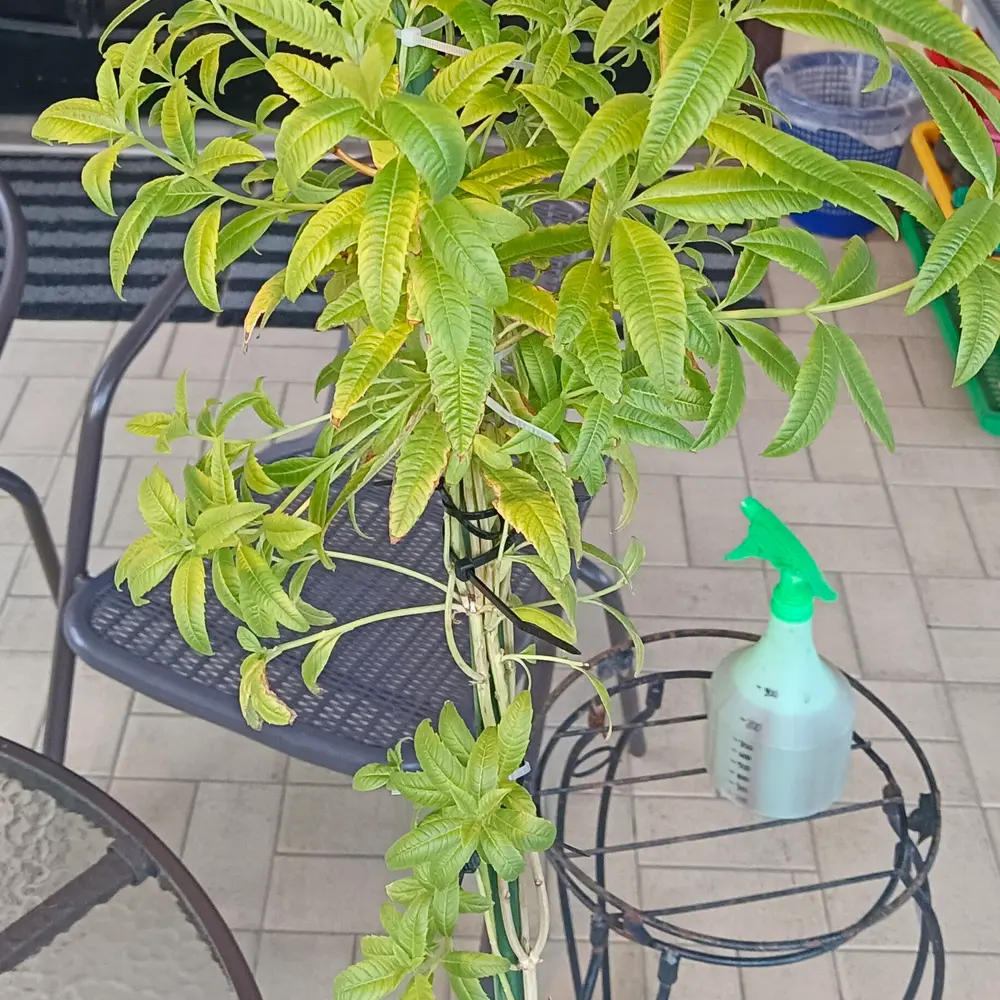
Nitrogen deficiency is a common issue that manifests as pale green to yellow leaves, particularly affecting older foliage. This nutrient is vital for chlorophyll production, which is essential for a plant's overall vigor and health.
Iron Deficiency
Iron deficiency presents itself through yellowing between leaf veins, while the veins themselves remain green. This nutrient plays a crucial role in photosynthesis and enzyme function, making it essential for your Almond Verbena's growth.
💧 Overwatering and Poor Drainage
Symptoms of Overwatering
Overwatering can lead to yellowing leaves, wilting, and even root rot. If the soil remains soggy and fails to dry out, it’s a clear sign that your plant is suffering.
Soil Drainage Issues
Well-draining soil is critical to prevent waterlogging, which can harm your plant. To improve drainage, consider amending your soil with perlite or sand.
🐛 Pests and Diseases
Common Pests
Aphids
Aphids are notorious for causing curling leaves and leaving a sticky residue, often accompanied by ants. Control methods include using insecticidal soap or neem oil to keep these pests at bay.
Fungal Infections
Fungal infections can lead to yellowing leaves, often with spots or powdery mildew. Address these issues with fungicides and by improving air circulation around your plants.
🌡️ Environmental Stress
Temperature Sensitivity
Almond Verbena thrives in an ideal temperature range of 60°F to 80°F (15°C to 27°C). Extreme heat or cold can stress the plant, resulting in yellowing leaves.
Humidity Levels
Moderate humidity is essential for optimal growth. Low humidity can cause leaf curling and yellowing, indicating that your plant may need a more humid environment.
Understanding these causes will help you diagnose and address the yellowing leaves on your Almond Verbena effectively. Next, we’ll delve into how to diagnose these yellow leaves accurately.
Diagnosing Yellow Leaves
👀 Visual Symptoms to Look For
When your Almond Verbena leaves start turning yellow, it's crucial to observe the changes closely. Look for shifts in leaf color, such as a transition from vibrant green to yellow, along with any spotting or curling.
Identifying where the yellowing occurs can also provide clues. Yellowing in older leaves often indicates nutrient deficiencies, while new growth may signal environmental stress or pests.
🌱 Soil and Water Testing
Next, assess your soil moisture. Use a moisture meter or simply stick your finger into the soil to check if it feels dry.
Additionally, pH testing is essential. Almond Verbena thrives in a pH range of 6.0 to 7.5, so ensure your soil falls within this ideal spectrum for optimal health.
🐛 Identifying Pests and Diseases
Regular inspections are key to catching issues early. Check under leaves and along stems for any signs of pests, such as aphids or spider mites.
Be vigilant for signs of disease as well. Look for fungal growth, discoloration, or wilting leaves, which can indicate underlying problems that need addressing.
With these diagnostic steps, you can pinpoint the cause of yellowing leaves and take action to restore your Almond Verbena's health. Next, let’s explore effective solutions to tackle these yellow leaves head-on.
Solutions for Yellow Leaves
🌊 Adjusting Watering Practices
To keep your Almond Verbena healthy, start by checking soil moisture before watering. Water only when the top inch of soil is dry to the touch.
Using pots with drainage holes is crucial to prevent waterlogging. This simple step can make a significant difference in your plant's health.
🌱 Fertilization Techniques
A balanced fertilizer high in nitrogen is essential during the growing season. Apply it every 4-6 weeks, following the package instructions for the best results.
This will help restore vigor and promote lush green growth.
🐞 Pest Management Strategies
Implementing integrated pest management (IPM) techniques can effectively control pests. Consider introducing beneficial insects like ladybugs to manage aphid populations naturally.
This eco-friendly approach not only protects your plants but also supports local ecosystems.
🌧️ Improving Soil Drainage
Amending your soil with perlite or coarse sand enhances drainage. This is especially important for preventing root rot and ensuring your plant thrives.
Always ensure your pots have adequate drainage holes to facilitate proper water flow.
✂️ Pruning Affected Leaves
Using clean, sharp pruning shears, remove any yellowing or diseased leaves. This encourages new growth and helps your plant focus its energy on healthier foliage.
Regular pruning can significantly improve the overall appearance and health of your Almond Verbena.
With these solutions in hand, you can effectively address yellowing leaves and promote a thriving plant. Next, let’s explore some preventative measures to keep your Almond Verbena in top shape.
Preventative Measures
Best Practices for Watering 🌊
Watering your Almond Verbena properly is crucial for its health. Aim to water deeply but infrequently, which encourages deep root growth and resilience.
Monitor weather conditions regularly. Adjust your watering schedule based on rainfall and temperature to avoid over or under-watering.
Soil Selection and Amendments 🌱
Choosing the right soil is essential for your plant's vitality. Opt for a well-draining potting mix or amend your garden soil with organic matter to enhance drainage.
Regularly check the soil texture and drainage capabilities. This proactive approach helps prevent waterlogging and keeps your plant thriving.
Regular Monitoring for Pests 🐛
Stay ahead of potential pest problems by inspecting your plants weekly. Look for early signs of infestations, such as discoloration or unusual leaf shapes.
Using yellow sticky traps can be an effective way to monitor pest populations. These traps help you catch issues before they escalate, ensuring your Almond Verbena remains healthy and vibrant.
By implementing these preventative measures, you can significantly reduce the risk of yellowing leaves and promote a flourishing plant. Next, let’s explore effective solutions for addressing yellow leaves when they do occur.
⚠️ Safety First
This content is for general information and may contain errors, omissions, or outdated details. It is not medical, veterinary advice, or an endorsement of therapeutic claims.
Always consult a qualified healthcare professional before using any plant as food, medicine, or supplement.
Never eat any plant (or feed one to pets) without confirming its identity with at least two trusted sources.
If you suspect poisoning, call Poison Control (800) 222-1222, the Pet Poison Helpline (800) 213-6680, or your local emergency service immediately.
Spotted an error? Please report it here.
Keep your Almond Verbena vibrant and healthy 🌿 by using Greg's tailored care reminders to tackle nutrient needs, watering schedules, and pest management effectively!