🔍 Understanding Black Spots on Your Almond Verbena Leaves
Aloysia virgata
By the Greg Editorial Team
Oct 12, 2024•5 min read
This article was created with the help of AI so we can cover more plants for you. May contain errors. See one? Report it here.
Revive your almond verbena 🌿 by quickly diagnosing and treating those pesky black spots for vibrant health!
- 🌱 Black spots indicate health issues; inspect leaves for discoloration and pests.
- 💧 Overwatering and humidity contribute to black spots; ensure proper drainage and airflow.
- 🧴 Use neem oil or fungicides for treatment; early intervention is key!
Causes of Black Spots
Identifying Symptoms 🌿
Black spots on almond verbena leaves can vary in size and shape. These spots often signal underlying issues that need attention.
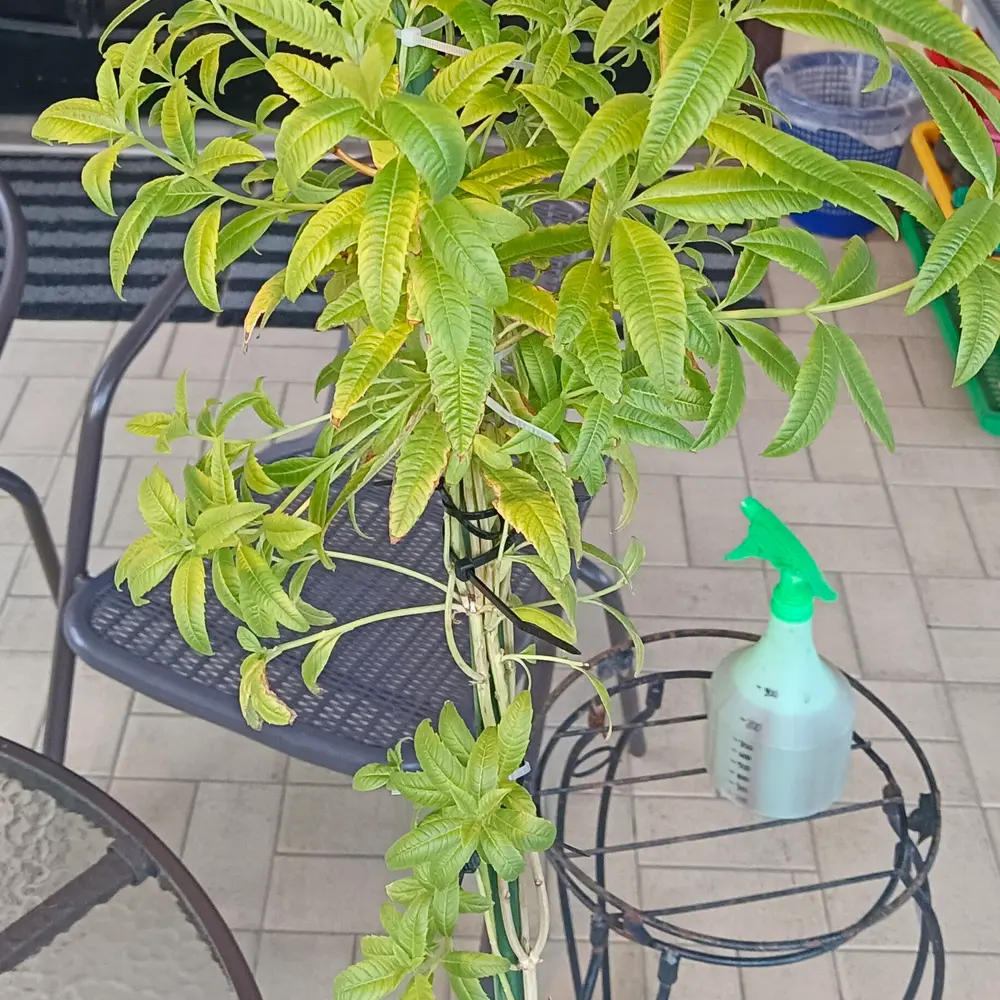
You might also notice leaf discoloration, typically yellowing around the black spots. This can indicate that the plant is struggling and may lead to further complications.
Another common symptom is leaf drop, where affected leaves shed prematurely. This not only affects the plant's appearance but can also impact its overall health.
Differentiating Between Fungal and Pest Issues 🦠
Fungal infections often present as distinct leaf spots, which can be irregular and may spread if not addressed. These spots usually have a defined edge and can lead to more severe leaf damage.
On the other hand, pest damage manifests differently. Look for signs like holes in the leaves or webbing, which indicate the presence of pests.
To distinguish between the two, compare the symptoms: fungal spots tend to be more uniform, while pest damage is often irregular and accompanied by other signs of infestation. Understanding these differences is crucial for effective treatment.
Diagnosis
Inspecting for Black Spots 🕵️♂️
To diagnose black spots on your almond verbena leaves, start with a thorough visual inspection. Look for variations in size and shape of the spots, as these can indicate different issues.
Don't forget to check the underside of the leaves. This area often harbors pests and fungal spores that can go unnoticed during a quick glance.
Environmental Factors 🌧️
Overwatering is a common culprit behind black spots. Signs include soggy soil and leaves that feel mushy to the touch.
Poor drainage can exacerbate root health issues. If water pools around the base of your plant, it may lead to root rot, which can manifest as black spots on the leaves.
Humidity levels also play a crucial role. High humidity can create a perfect environment for fungal growth, so keep an eye on moisture levels in your garden.
Understanding these diagnostic steps can help you pinpoint the cause of those pesky black spots. With the right information, you can take action to restore your almond verbena's health.
Next, let’s explore effective treatment options to tackle these issues head-on.
Treatment Options
🌱 Organic Treatments
Neem Oil
Neem oil is a fantastic organic solution for treating black spots on your almond verbena. To apply, mix 2 tablespoons of neem oil with a gallon of water and spray it directly onto the affected leaves every 7-14 days.
Baking Soda Solution
Another effective remedy is a baking soda solution. Combine 1 tablespoon of baking soda with 1 teaspoon of liquid soap in a gallon of water. Spray this mixture on the leaves every week to help combat fungal issues.
Benefits of Organic Treatments
Using organic treatments is not only safe for your plants but also for the environment. They minimize chemical exposure, making your garden a healthier space for both plants and beneficial insects.
⚗️ Chemical Treatments
Recommended Fungicides
If organic methods don’t yield results, consider chemical fungicides. Look for products containing active ingredients like chlorothalonil or propiconazole, which are effective against fungal infections.
Application Guidelines
When using chemical treatments, timing is crucial. Apply fungicides during the early morning or late afternoon, and follow the recommended frequency on the label to ensure effectiveness without harming your plants.
📝 Step-by-Step Guide to Treatment
Identify the Type of Black Spot
Determine whether the black spots are due to fungal infections or pest damage. This step is vital for choosing the right treatment.Remove Affected Leaves
Carefully prune away any leaves showing black spots. Use clean, sharp scissors to avoid spreading the issue further.Apply Chosen Treatment
Whether you opt for an organic or chemical solution, ensure even coverage on the affected areas for the best results.Monitor Plant Health
Keep an eye on your almond verbena after treatment. Look for signs of improvement, such as new growth or reduced spots, and be vigilant for any recurring issues.
By following these treatment options, you can effectively manage black spots on your almond verbena and promote a healthier plant. Next, let’s explore prevention strategies to keep these problems at bay.
Prevention Strategies
🌊 Best Practices for Watering
Maintaining the right watering frequency is crucial for your almond verbena. Aim to keep the soil consistently moist but not soggy; typically, watering once a week is sufficient, depending on your climate.
To avoid overwatering, ensure your pots have drainage holes. This simple step prevents water from pooling, which can lead to root rot and other issues.
☀️ Importance of Sunlight and Air Circulation
Almond verbena thrives in bright, indirect sunlight. Ideally, place your plant where it can soak up at least six hours of light daily to promote healthy growth.
Good air circulation is equally important. It helps reduce humidity around the leaves, which can prevent fungal infections from taking hold.
🌱 Soil Health
The right soil composition is vital for your plant's health. Use well-draining soil to ensure that excess moisture can escape, promoting strong root development.
Regular soil testing is also essential. Monitoring pH and nutrient levels helps you understand your plant's needs and adjust care accordingly, keeping your almond verbena vibrant and healthy.
By following these prevention strategies, you can create an environment that minimizes the risk of black spots and promotes the overall health of your almond verbena. Next, let’s explore effective treatment options should issues arise.
⚠️ Safety First
This content is for general information and may contain errors, omissions, or outdated details. It is not medical, veterinary advice, or an endorsement of therapeutic claims.
Always consult a qualified healthcare professional before using any plant as food, medicine, or supplement.
Never eat any plant (or feed one to pets) without confirming its identity with at least two trusted sources.
If you suspect poisoning, call Poison Control (800) 222-1222, the Pet Poison Helpline (800) 213-6680, or your local emergency service immediately.
Spotted an error? Please report it here.
Combat those pesky black spots on your almond verbena leaves with Greg's tailored care reminders 🌱, ensuring your plant stays healthy and vibrant through personalized watering and treatment plans!