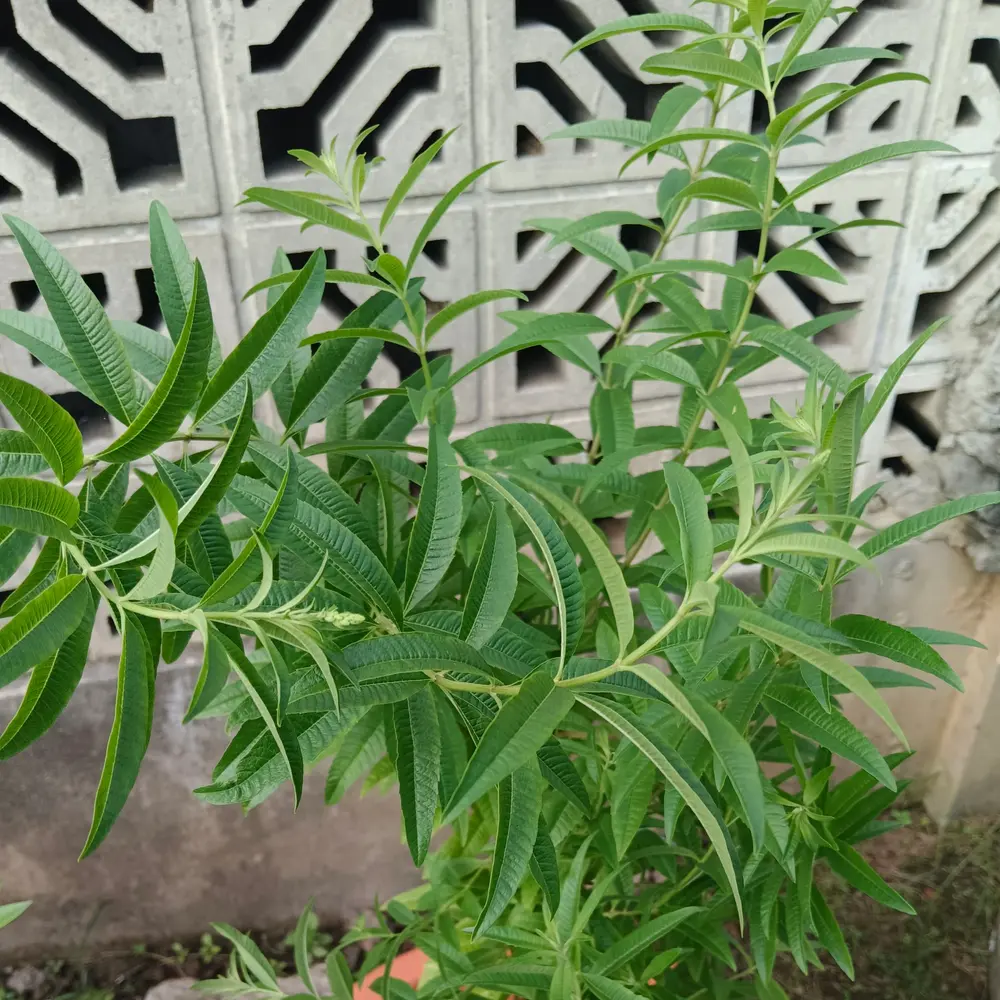
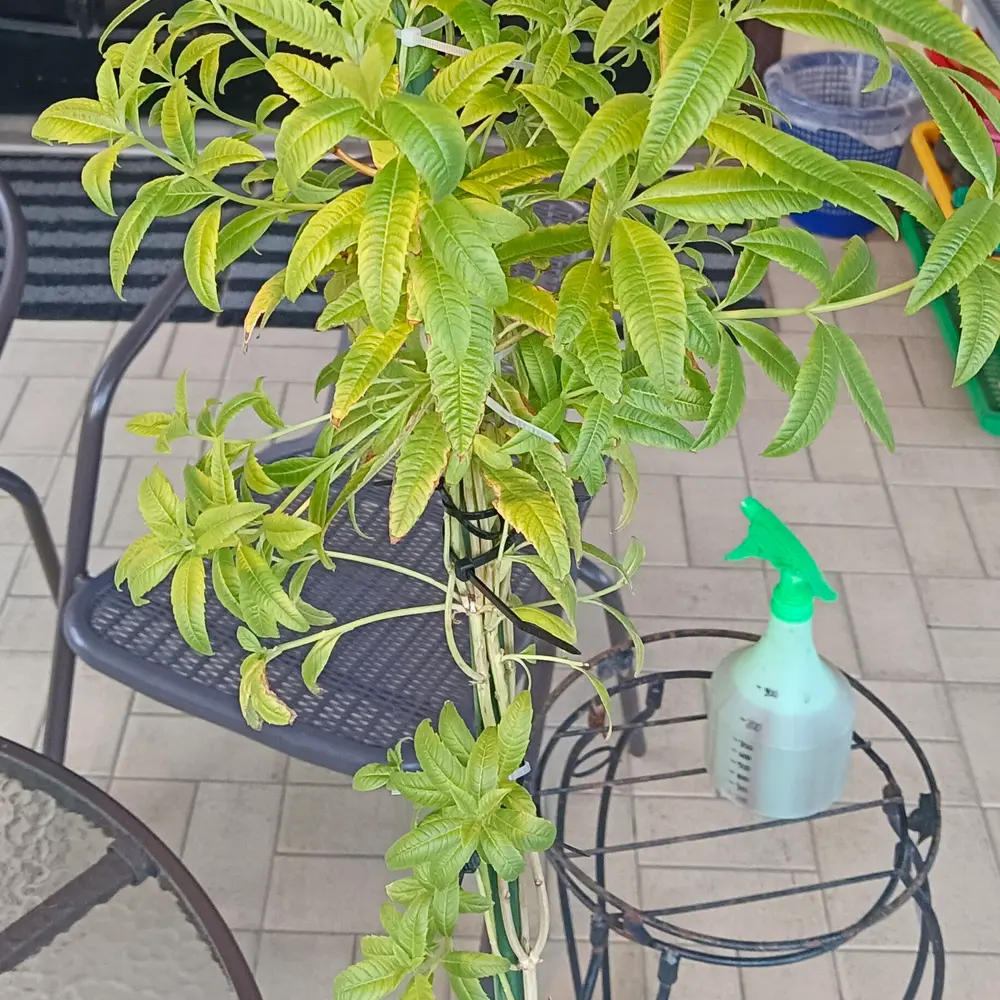
Almond Verbena Is a Perennial
Aloysia virgata
By the Greg Editorial Team
Oct 12, 2024•5 min read
This article was created with the help of AI so we can cover more plants for you. May contain errors. See one? Report it here.
Elevate your garden with Almond Verbena's vibrant blooms and effortless perennial charm! 🌼🌱
- 🌱 Almond Verbena is a true perennial, thriving for years without replanting.
- 🌼 Enjoy fragrant purple flowers in summer, attracting pollinators and enhancing garden beauty.
- 💧 Drought-tolerant and low-maintenance, it’s perfect for busy gardeners seeking resilience.
Characteristics of Almond Verbena as a Perennial
🌱 Multi-Year Lifecycle
Almond Verbena is a true perennial, thriving over multiple years. Each season, it returns from the same root system, showcasing its resilience and ability to adapt.
Unlike annuals, which complete their lifecycle in one year, or biennials that take two years to flower, Almond Verbena simplifies garden care. This means less replanting and more time to enjoy its beauty.
🌿 Growth Patterns and Regrowth from Roots
Typically, Almond Verbena reaches heights of 3-4 feet, developing a bushy appearance that adds texture to any garden. Its robust growth is supported by an established root system, which allows it to sprout new growth each spring.
Once established, this plant demonstrates impressive drought tolerance. This ability not only contributes to its perennial nature but also makes it a low-maintenance choice for gardeners.
With these characteristics, Almond Verbena stands out as a reliable and attractive addition to perennial gardens. Its multi-year lifecycle and strong growth patterns ensure that it remains a vibrant part of your landscape year after year.
As we explore seasonal changes and dormancy next, we’ll see how these factors further influence the life of Almond Verbena.
Seasonal Changes and Dormancy
🌱 Dormancy Periods in Almond Verbena
Dormancy in Almond Verbena occurs during colder months when the plant's growth significantly slows or halts. This natural cycle allows the plant to conserve energy and resources until conditions improve.
Signs of dormancy include yellowing leaves, reduced growth, and the eventual dieback of above-ground parts. Recognizing these signs helps gardeners understand when to adjust their care routines.
🌼 Seasonal Changes Affecting Growth and Flowering
As temperatures rise in spring, Almond Verbena awakens from its dormant state, initiating new growth and flowering cycles. This rejuvenation is a beautiful reminder of nature's resilience.
Summer marks the peak blooming period, showcasing fragrant purple flowers that attract a variety of pollinators. It's a vibrant time in the garden, filled with life and color.
As fall approaches, the plant begins to prepare for dormancy, with foliage gradually dying back. This transition is crucial for the plant's survival, ensuring it can thrive again when spring returns.
Understanding these seasonal changes not only enhances your gardening experience but also fosters a deeper appreciation for the life cycle of Almond Verbena. With this knowledge, you can better anticipate the plant's needs throughout the year.
Next, we’ll explore the advantages of Almond Verbena's perennial nature and how it can benefit your garden.
Advantages of Perennial Nature
🌱 Benefits of Reduced Replanting
One of the standout advantages of Almond Verbena as a perennial is its cost-effectiveness. You save both money and effort by not needing to replant each year, allowing you to focus on other gardening tasks.
Additionally, established plants contribute to a cohesive garden aesthetic over time. Their consistent presence creates a stable environment that enhances the overall design of your garden.
🌳 Importance of Established Root Systems
The strength of Almond Verbena lies in its established root systems. These robust roots help the plant withstand environmental stresses, making it a resilient choice for gardeners.
Moreover, established roots improve nutrient uptake. They allow the plant to access soil nutrients and moisture more effectively, promoting healthier growth and vibrant blooms.
With these benefits in mind, it's clear that Almond Verbena's perennial nature not only simplifies gardening but also enriches your landscape.
Next, let’s explore the lifespan and longevity factors that can influence your Almond Verbena's health and vitality.
Lifespan and Longevity Factors
🌱 Expected Lifespan of Almond Verbena
Almond Verbena typically enjoys a lifespan of several years, especially when given proper care and optimal conditions. With the right attention, this resilient plant can thrive and bring beauty to your garden for many seasons.
The longevity of Almond Verbena can vary significantly based on care practices. Factors such as soil quality and consistent watering play crucial roles in determining how long your plant will flourish.
🌍 Factors Influencing Longevity in Different Climates
Climate zone variations can greatly affect the growth and flowering of Almond Verbena. Depending on your USDA hardiness zone, the plant may exhibit different behaviors and resilience levels.
Soil conditions also impact the health and lifespan of Almond Verbena. Well-draining soil rich in nutrients promotes robust growth, while poor drainage can lead to root rot and other issues.
Temperature extremes are another critical factor. Almond Verbena thrives in moderate conditions but can struggle in extreme heat or cold. Protecting it from harsh weather will help ensure its longevity and vitality.
Understanding these factors can empower you to create the best environment for your Almond Verbena, maximizing its lifespan and beauty in your garden.
Maximizing Perennial Benefits
🌱 Tips for Garden Planning with Almond Verbena
When planning your garden, consider companion planting to enhance the growth of Almond Verbena. Plants like lavender, salvia, and echinacea not only complement its beauty but also attract beneficial pollinators.
Spacing is crucial for healthy growth. Aim for at least 2-3 feet between each Almond Verbena plant to ensure adequate airflow and prevent overcrowding.
🌿 Long-Term Cultivation Strategies
Regular maintenance is key to a thriving Almond Verbena. Pruning and deadheading encourage new growth and prolong the blooming period, keeping your garden vibrant.
Adjust your care practices with the seasons. In spring, focus on fertilizing and watering, while in fall, prepare the plant for dormancy by reducing water and cutting back on nutrients.
Monitoring for pests and diseases is essential for longevity. Keep an eye out for common issues like aphids or powdery mildew, and address them promptly to maintain plant health.
By implementing these strategies, you can maximize the benefits of your perennial Almond Verbena, ensuring it remains a stunning focal point in your garden for years to come.
⚠️ Safety First
This content is for general information and may contain errors, omissions, or outdated details. It is not medical, veterinary advice, or an endorsement of therapeutic claims.
Always consult a qualified healthcare professional before using any plant as food, medicine, or supplement.
Never eat any plant (or feed one to pets) without confirming its identity with at least two trusted sources.
If you suspect poisoning, call Poison Control (800) 222-1222, the Pet Poison Helpline (800) 213-6680, or your local emergency service immediately.
Spotted an error? Please report it here.
Discover the enduring charm of Almond Verbena 🌼 and let Greg provide tailored care reminders to help your perennial thrive beautifully year after year!