What It Means When Your Almond Verbena Wilts 💧
Aloysia virgata
By the Greg Editorial Team
Oct 12, 2024•5 min read
This article was created with the help of AI so we can cover more plants for you. May contain errors. See one? Report it here.
Transform your wilting almond verbena 🌱 into a thriving beauty with essential tips for diagnosis and care!
- 💧 Wilting in almond verbena often signals water stress from underwatering or overwatering.
- ☀️ Heat and excessive sunlight can worsen wilting; monitor conditions closely.
- 🌱 Regularly check soil moisture to prevent root rot and promote healthy growth.
Common Causes of Wilting Leaves
💧 Water Stress
Wilting leaves can often signal water stress in your almond verbena. Symptoms include droopy, dry, or crispy leaves, indicating that your plant is struggling.
Underwatering
When the soil is too dry, the plant becomes dehydrated. This can lead to severe wilting and, if not addressed, may cause permanent damage.
Overwatering
Conversely, overwatering can create waterlogged soil, leading to root rot. This condition suffocates the roots, preventing them from absorbing essential nutrients.
Proper watering techniques are crucial to maintain a healthy moisture balance. Regularly check soil moisture to ensure your plant receives just the right amount of water.
🔥 Heat Stress
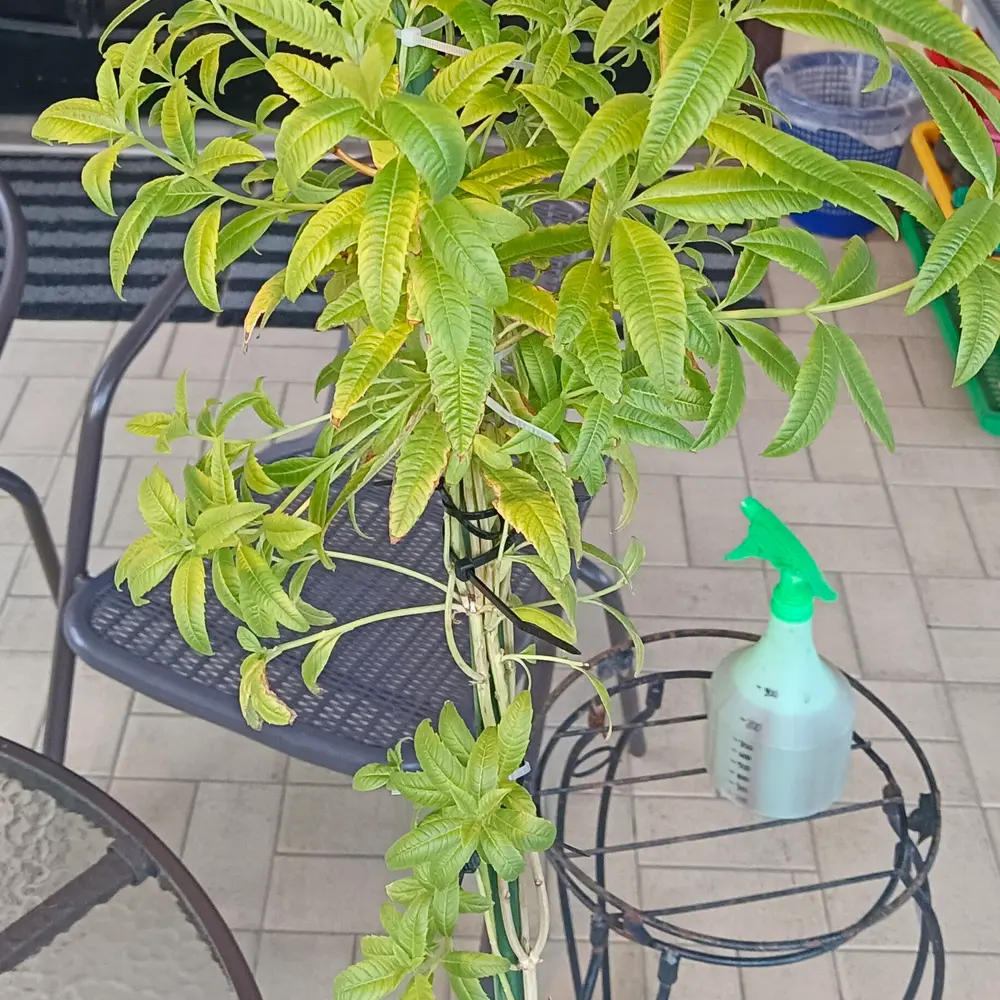
Heat stress is another common culprit behind wilting leaves. Symptoms include curling, yellowing, or even leaf drop, signaling that your plant is overwhelmed by its environment.
Excessive Sunlight
Excessive sunlight exposure, especially during peak hours, can lead to rapid moisture loss. This is particularly problematic for plants like almond verbena that thrive in moderate conditions.
High Temperatures
High temperatures can exacerbate moisture loss, making it vital to monitor your plant's exposure. Strategies to manage heat stress include providing shade during extreme conditions.
Creating a cooler microclimate can help your plant recover and thrive. Consider using shade cloth or relocating your plant during the hottest parts of the day.
🦠 Disease-Related Wilting
While less common, disease-related wilting can occur. Symptoms often include yellowing leaves and wilting, sometimes accompanied by other signs of disease.
Common Diseases
Root rot and fungal infections are potential threats, but they are rare in healthy plants. It's essential to note that pathogenic wilt is unlikely to be the primary cause of wilting in well-cared-for almond verbena.
If you suspect disease, act quickly to prevent further damage. Regular inspections can help catch issues before they escalate.
Understanding these common causes of wilting leaves is the first step in ensuring your almond verbena remains healthy and vibrant. Next, we’ll explore how to diagnose wilting effectively.
Diagnosing Wilting
🕵️♂️ Step-by-Step Guide to Diagnose Wilting
Diagnosing wilting in your almond verbena starts with assessing soil moisture. Check the top 2 inches of soil; if it's dry, your plant may be underwatered, while sogginess indicates overwatering.
Next, observe the environmental conditions. Take note of the temperature and sunlight exposure, as these factors significantly impact your plant's health.
Inspect the leaves for any signs of distress. Look for discoloration, curling, or spots that could indicate underlying issues.
Finally, evaluate the plant's placement. Ensure it's in a suitable location that meets its growth needs, as improper positioning can lead to wilting.
👀 Signs to Look for in Wilting Leaves
Pay attention to the leaf texture. Leaves that are dry, crispy, or mushy signal that something is off.
Color changes are also critical. Yellowing or browning edges can indicate stress or disease.
Lastly, observe the growth patterns. Stunted growth or a leggy appearance often suggests that your plant is struggling to thrive.
By following these steps and recognizing these signs, you can effectively diagnose the cause of wilting in your almond verbena. This understanding will pave the way for targeted solutions to revive your plant and keep it healthy.
Next, let’s explore practical solutions for addressing the various causes of wilting.
Solutions for Wilting
🌊 Addressing Water Stress
Water stress is a common issue for almond verbena.
For underwatering, ensure you water thoroughly until moisture reaches the root zone.
Conversely, if overwatering is the problem, allow the soil to dry out before rewatering. If root rot is suspected, consider repotting the plant.
☀️ Addressing Heat Stress
Heat stress can also lead to wilting leaves.
To combat this, provide temporary shade during peak sunlight hours.
Increasing humidity around the plant can help as well; misting or using a humidity tray are effective techniques.
🦠 Addressing Disease-Related Wilting
If you suspect disease, act quickly to minimize damage.
Remove affected leaves to improve air circulation around the plant.
Using fungicides may be necessary; always follow the label instructions for safe application.
🌱 Techniques for Reviving a Wilted Plant
Reviving a wilted almond verbena requires a few strategic steps.
- Bottom watering: Place the pot in a tray of water for 30 minutes to allow roots to absorb moisture.
- Relocate: Move the plant to a cooler, shaded area temporarily to reduce stress.
- Pruning: Trim damaged or wilted leaves to encourage new growth and rejuvenate the plant.
By following these solutions, you can help your almond verbena thrive once again.
Next, let’s explore preventive measures to minimize the risk of wilting in the future.
Preventive Measures
Best Practices to Minimize Wilting Risk 🌱
To keep your almond verbena thriving, regularly check the soil moisture. Adjust your watering schedule based on the plant's needs to prevent both underwatering and overwatering.
It's also crucial to monitor environmental conditions. If your plant isn’t thriving, consider relocating it to a spot that better suits its growth requirements.
Environmental Considerations for Healthy Growth ☀️
Ensure your plant has well-draining soil to avoid waterlogging. This simple step can significantly reduce the risk of root rot and other moisture-related issues.
Additionally, provide adequate sunlight while protecting your plant from extreme heat. A little shade during the hottest parts of the day can go a long way in keeping your almond verbena healthy and vibrant.
By implementing these preventive measures, you can create an optimal environment for your plant. This proactive approach not only minimizes wilting risk but also fosters robust growth and resilience.
Next, let’s explore when it’s time to seek expert help for your wilting plant.
When to Seek Help
Signs That Require Expert Assistance 🌱
If your almond verbena is wilting persistently despite your best care efforts, it may be time to seek help. Additionally, look out for severe signs of disease or pest infestation, such as unusual spots, excessive leaf drop, or visible pests.
Resources for Assistance 🌍
Consulting local nurseries can provide tailored advice for your specific plant issues. Online communities, like Greg, are also great resources for support and troubleshooting tips from fellow plant enthusiasts.
Recognizing when to ask for help can save your plant and enhance your gardening skills. Don't hesitate to reach out; your almond verbena deserves the best care possible!
⚠️ Safety First
This content is for general information and may contain errors, omissions, or outdated details. It is not medical, veterinary advice, or an endorsement of therapeutic claims.
Always consult a qualified healthcare professional before using any plant as food, medicine, or supplement.
Never eat any plant (or feed one to pets) without confirming its identity with at least two trusted sources.
If you suspect poisoning, call Poison Control (800) 222-1222, the Pet Poison Helpline (800) 213-6680, or your local emergency service immediately.
Spotted an error? Please report it here.
Revive your wilting almond verbena and keep it thriving 🌿 by using Greg's tailored watering alerts and environmental insights to ensure it gets just the right care!