Best Tips for Droopy Leaves on Almond Verbena 😢
Aloysia virgata
By the Greg Editorial Team
Oct 12, 2024•6 min read
This article was created with the help of AI so we can cover more plants for you. May contain errors. See one? Report it here.
Transform your droopy Almond Verbena into a thriving beauty with essential care tips! 🌿
- 💧 Droopy leaves result from overwatering or underwatering; recognize their signs.
- 🌞 Almond Verbena needs 6-8 hours of sunlight for optimal growth.
- 🌱 Improve soil drainage and establish a consistent watering routine for health.
Causes of Droopy Leaves
💧 Overwatering: Signs and Solutions
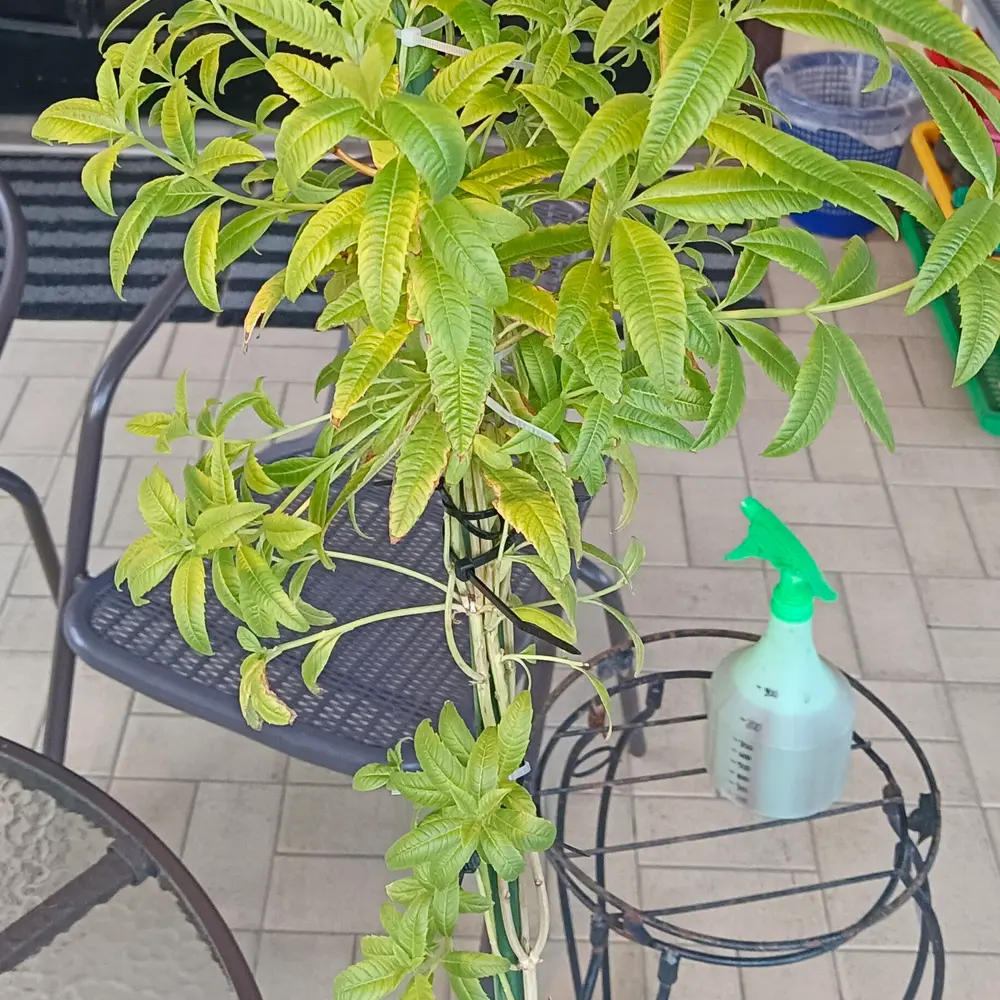
Overwatering is a common issue for Almond Verbena, often leading to droopy leaves. Signs include wilting and yellowing leaves, along with root rot, which presents as dark, mushy roots.
To remedy overwatering, adjust your watering schedule to allow the soil to dry out between waterings. Improving soil drainage by adding perlite or sand can also help prevent future issues.
🚰 Underwatering: Signs and Solutions
Underwatering can also cause droopy leaves, manifesting as wilting and crispy edges. You might notice the soil pulling away from the edges of the pot, indicating it's too dry.
Establishing a consistent watering routine is key to preventing underwatering. Regularly checking soil moisture levels will help you maintain the right balance.
🪴 Soil Issues: Drainage and Composition
Well-draining soil is crucial for the health of your Almond Verbena. Poor soil drainage can lead to root problems and droopy leaves.
For optimal results, use sandy loam or a potting mix that includes perlite. Testing soil drainage can be done by observing how quickly water absorbs; if it pools on the surface, drainage may need improvement.
🌡️ Environmental Stress: Temperature and Humidity
Almond Verbena thrives in warm conditions, ideally between 65°F to 85°F (18°C to 29°C). If temperatures drop or rise significantly outside this range, the plant may show signs of stress.
Humidity levels also play a role; Almond Verbena prefers moderate to high humidity. Watch for signs of environmental stress, such as drooping leaves or stunted growth, to adjust care accordingly.
Understanding these causes will empower you to take action and restore your Almond Verbena's vitality. Next, let’s explore preventive measures to keep your plant healthy and thriving.
Preventive Measures
Proper Watering Techniques 🌊
Effective watering is crucial for maintaining healthy Almond Verbena. Aim to water deeply but infrequently, allowing the soil to dry out between sessions.
Always check the soil moisture before watering. This simple step can prevent both overwatering and underwatering, keeping your plant happy.
Soil Selection and Amendments 🏺
Choosing the right soil mix is essential for optimal drainage. A sandy loam or a potting mix with perlite works wonders for Almond Verbena.
Consider adding amendments like compost to improve soil structure. This enhances nutrient retention and promotes healthy root growth.
Sunlight Exposure Requirements ☀️
Almond Verbena thrives in full sun, needing 6-8 hours of direct sunlight daily. This exposure is vital for robust growth and vibrant foliage.
Watch for signs of insufficient sunlight, such as leaf droop and leggy growth. Adjusting the plant's location can make a significant difference.
Seasonal Care Adjustments 🍂
Adjust your care practices based on the seasons. Watering frequency may need to increase during hot months and decrease in cooler periods.
Fertilization schedules should also align with the plant's active growth phases. This ensures your Almond Verbena receives the nutrients it needs when it needs them most.
By implementing these preventive measures, you can significantly reduce the risk of droopy leaves and promote a thriving Almond Verbena. Next, let’s explore immediate actions to take when you notice droopy leaves.
Treatment Options
Immediate Actions for Droopy Leaves 🌱
When you notice droopy leaves on your Almond Verbena, take swift action.
Assess Watering Needs: Start by checking the soil moisture. If it feels too dry or overly wet, adjust your watering accordingly.
Adjust Environmental Conditions: If the plant is not getting enough light, move it to a sunnier spot. Almond Verbena thrives in bright conditions.
Prune Damaged Leaves: Trim away any damaged or wilted leaves. This encourages new growth and helps the plant focus its energy on healthier foliage.
Long-Term Care Strategies 🕒
Establishing a consistent care routine is essential for the long-term health of your Almond Verbena.
Regularly monitor your plant's health to catch any issues early. This proactive approach can prevent minor problems from escalating into major concerns.
Fertilization Practices to Support Recovery 🌿
Fertilization plays a crucial role in supporting your plant's recovery.
Use balanced NPK fertilizers during the growing season to provide essential nutrients.
Timing is key; fertilize every 4-6 weeks to keep your Almond Verbena thriving.
With these treatment options, your plant will be on the path to recovery, setting the stage for vibrant growth. Next, let’s explore pest and disease management to further safeguard your Almond Verbena.
Pest and Disease Management
🐜 Common Pests Affecting Almond Verbena
Almond Verbena can attract a few pesky pests, notably aphids and spider mites. Look out for signs of infestation, such as sticky residue on leaves, fine webbing, and visible leaf damage.
To manage these pests, consider both organic and chemical control methods. Neem oil and insecticidal soap are effective organic options, while chemical pesticides can also be used if necessary. Regular monitoring is key to catching infestations early.
🦠 Identifying Diseases That Cause Leaf Droop
Diseases can also lead to droopy leaves in Almond Verbena. Common culprits include root rot and various fungal infections.
Watch for symptoms like yellowing leaves, wilting, and a foul smell from the soil. Diagnosing these issues early can save your plant from severe damage.
💊 Organic and Chemical Treatment Options
When it comes to treating pests and diseases, you have several options. Organic treatments like neem oil and insecticidal soap are great for maintaining plant health without harsh chemicals.
For more severe cases, fungicides and stronger pesticides may be necessary. Always follow application guidelines to ensure the safety of your plant and the environment.
By staying vigilant and proactive, you can keep your Almond Verbena healthy and thriving. Next, let’s explore effective pruning and maintenance strategies to prevent droopy leaves.
Pruning and Maintenance
When and How to Prune for Health 🌱
Pruning Almond Verbena is essential for maintaining its health and vibrancy. The best times to prune are early spring and right after flowering, allowing the plant to rejuvenate during its active growth phase.
Effective pruning techniques include removing dead or damaged leaves and stems. This not only encourages new growth but also helps prevent diseases from taking hold.
Maintenance Tips to Prevent Droopy Leaves 🌿
Regular inspections for pests and diseases are crucial for keeping your Almond Verbena thriving. Look for signs of trouble, such as discoloration or unusual spots on leaves.
Maintaining proper watering and sunlight conditions is equally important. Ensure your plant receives adequate light and adjust your watering schedule based on the season to keep it healthy.
Seasonal adjustments to care practices can make a significant difference. Be proactive in adapting your approach as the weather changes to ensure your plant remains robust and vibrant.
⚠️ Safety First
This content is for general information and may contain errors, omissions, or outdated details. It is not medical, veterinary advice, or an endorsement of therapeutic claims.
Always consult a qualified healthcare professional before using any plant as food, medicine, or supplement.
Never eat any plant (or feed one to pets) without confirming its identity with at least two trusted sources.
If you suspect poisoning, call Poison Control (800) 222-1222, the Pet Poison Helpline (800) 213-6680, or your local emergency service immediately.
Spotted an error? Please report it here.
Revive your Almond Verbena and banish droopy leaves 🌿 with Greg's tailored watering reminders and expert care tips that keep your plant thriving all year round!