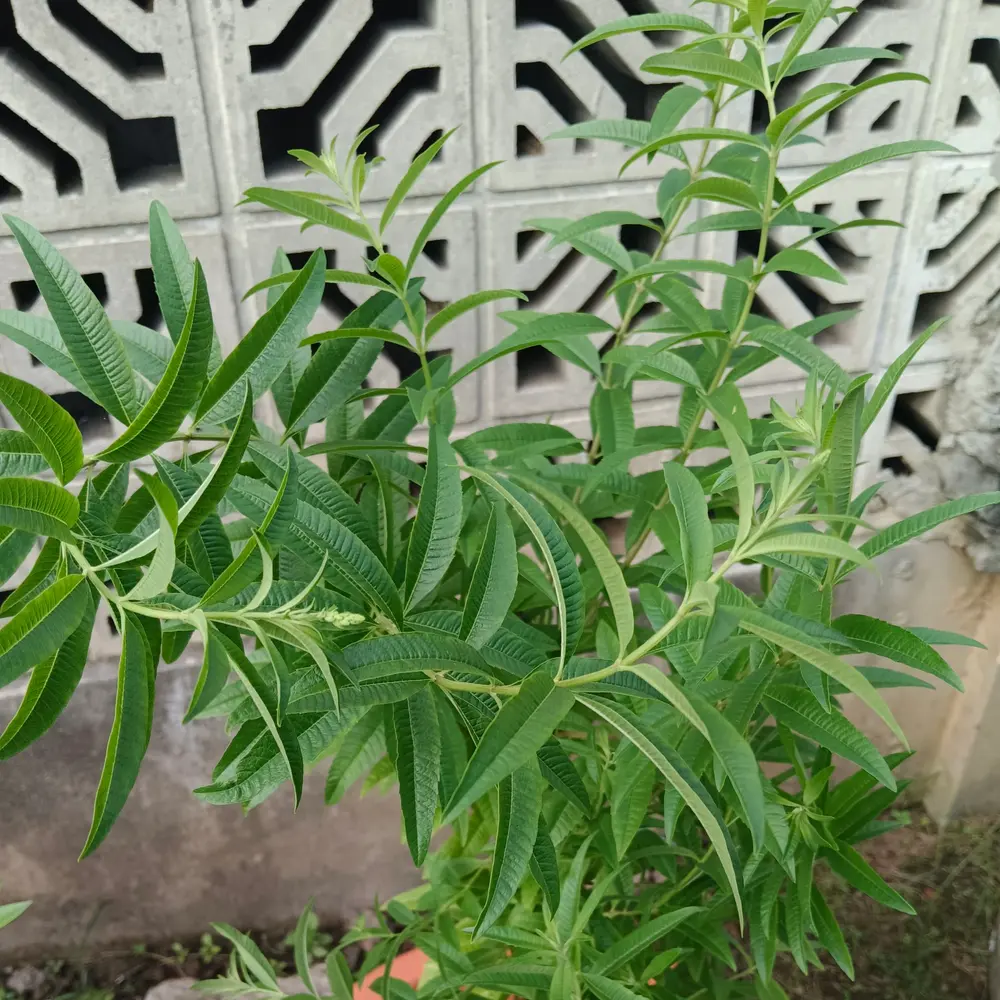
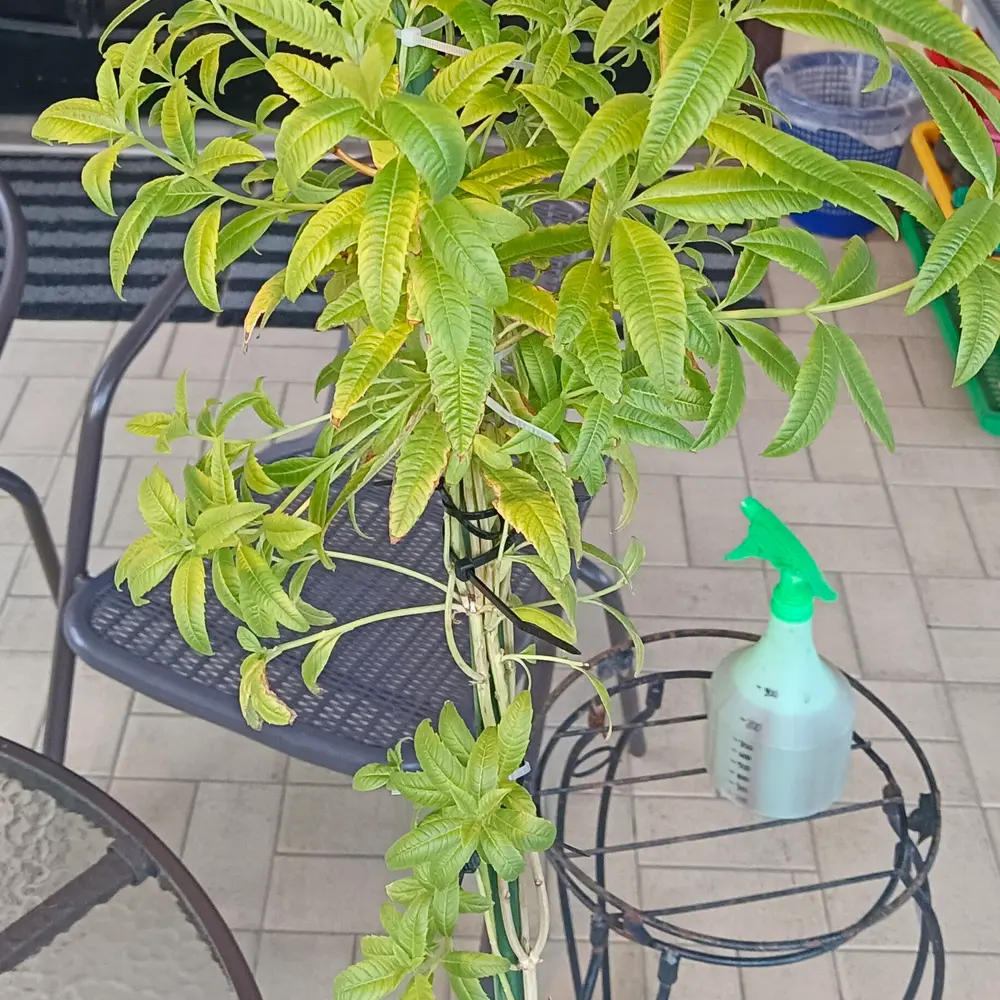
5 Tips for Propagating Your Almond Verbena 🌰
Aloysia virgata
By the Greg Editorial Team
Oct 12, 2024•5 min read
This article was created with the help of AI so we can cover more plants for you. May contain errors. See one? Report it here.
Master Almond Verbena propagation 🌱 from cuttings and seeds for a lush, thriving garden in no time!
- 🌱 Choose the right cuttings: Softwood in spring, hardwood in fall for best results.
- 🌿 Use rooting hormone to boost success rates and ensure healthy growth.
- 🌡️ Maintain warmth and humidity for optimal rooting conditions and seedling care.
Propagating from Cuttings
🌱 Selecting the Right Cuttings
Choosing the right cuttings is crucial foAlmond Verbenaropagation. For Almond Verbena, you can opt for softwood cuttings taken from new growth in late spring to early summer, or hardwood cuttings from mature wood in late fall to winter.
Aim for cuttings that are 4-6 inches (10-15 cm) long. Look for firm, green stems that show no signs of disease or pests. Healthy cuttings are your best bet fwell-draininglants.
✂️ Preparing the Cuttings
Preparation is key to rooting success. Start by removing the lower leaves, leaving 2-3 sets of leaves at the top to supporsoil temperaturea clean cut at an angle just below a leaf node usiavoid direct sunlightcissors. After cutting, let the cuttings sit in a dry, shaded area for a few hours to a day to allow them to callus.
🌿 Rooting Hormone Application
Using rooting hormone can significantly boost your chances of success. Simply dip the cut end of the cutting into the rooting hormone powder.
Make sure to tap off any excess powder to avoid clumping, which can hinder root development. This small step can make a big difference!
🌞 Ideal Conditions for Rooting
Creating the right environment is essential for rooting. Use a well-draining potting mix, ideally a blend of peat moss and perlite, to give your cuttings the best chance.
Choose small pots or trays with drainage holes. Maintain a warm environment between 70°F to 75°F (21°C to 24°C) and cover the cuttings with a plastic bag or humidity dome to retain moisture. Lastly, provide bright, indirect sunlight to encourage growth without overheating.
By following these steps, you'll set a solid foundation for propagating your Almond Verbena from cuttings. Next, let’s explore how to propagate from seeds for even more growth opportunities!
Propagating from Seeds
Seed Collection and PreparatAlmond Verbena time to collect seeds from your Almond Verbena is after the flowers have faded and the seed pods have dried. Once you’ve gathered them, clean the seeds to remove any debris, ensuring they’re ready for the next step.
Stratification is key for enhancing germination. Soak the seeds in water for 24 hours to kickstart the process.
Germination Process 🌼
For germination, use a light, well-draining seed-starting mix. Plant the seeds about 1/4 inch (0.6 cm) deep to give them the best chance to thrive.
Maintaining the right conditions is crucial. Keep the soil temperature around 70°F (21°C) and provide bright light, but avoid direct sunlight to prevent overheating.
Expect to see seedlings emerge within 2-3 weeks, marking the start of your propagation journey.
Transplanting Seedlings 🌿
Timing is everything when it comes to transplanting. Wait until your seedlings have developed 2-3 sets of true leaves before making the move.
When you're ready to transplant, follow these steps:
- Carefully remove seedlings from the seed tray.
- Plant them in individual pots filled with well-draining soil.
- Water thoroughly after transplanting to help them settle in.
With these steps, you’re well on your way to successfully propagating Almond Verbena from seeds. Next, let’s explore the best timing fAlmond Verbena to maximize your success.
Timing for Propagation
🌱 Best Seasons for Propagation
Timing is everything when it comes to propagating Almond Verbena. For softwood cuttings, aim for late spring to early summer, when the plant is bursting with new growth.
If you're considering hardwood cuttings, the best time is late fall to winter, when the plant is dormant. For those who prefer seed propagation, spring is your go-to season for optimal growth.
☀️ Climate Considerations
Almond Verbena thrives in warm climates, ideally above 60°F (15°C). This plant loves the heat, so make sure to choose a time when temperatures are just right.
Avoid attempting propagation during rootsme weather conditions, such as frost or excessive heat. These factors can hinder your success and lead to disappointing results.
With the right timing and climate, you'll set the stage for a flourishing Almond Verbena garden. Now, let’s dive into the common challenges you might face during propagation.
Common Challenges in Propagation
🐛 Pests and Diseases
When propagating Almond Verbena, pests like aphids and spider mites can be a real headache. Keep an eye out for yellowing leaves and stunted growth, which are telltale signs of an infestation.
Regular inspections are key to preventing these issues. Maintaining overall plant health through proper care can significantly reduce the risk of pests taking hold.
🌧️ Environmental Factors Affecting Success
Overwatering is a common pitfall that can lead to root rot. Always ensure your pots have proper drainage to keep your cuttings healthy.
On the flip side, insufficient light can stunt growth. Make sure your cuttings receive adequate light conditions to thrive and develop strong roots.
By being proactive about these challenges, you can set your Almond Verbena propagation up for success. Next, let’s explore some success tips to ensure your efforts yield beautiful plants.
Success Tips for Propagation
Monitoring Growth 🌱
Regularly check your cuttings for root development. Gently tug on them after 2-3 weeks; if you feel resistance, that's a good sign!
New leaf growth is another indicator of successful rooting. Keep an eye out for those fresh leaves sprouting up.
When to Transplant ⏳
Timing is crucial when it comes to transplanting rooted cuttings. Wait until the roots are at least 2 inches (5 cm) long for the best chance of success.
When you're ready to transplant, follow the same method as with seedlings. Handle the roots carefully to avoid any damage during the process.
With these tips, you're well on your way to successfully propagating your Almond Verbena! Next, let’s explore common challenges you might face during propagation.
⚠️ Safety First
This content is for general information and may contain errors, omissions, or outdated details. It is not medical, veterinary advice, or an endorsement of therapeutic claims.
Always consult a qualified healthcare professional before using any plant as food, medicine, or supplement.
Never eat any plant (or feed one to pets) without confirming its identity with at least two trusted sources.
If you suspect poisoning, call Poison Control (800) 222-1222, the Pet Poison Helpline (800) 213-6680, or your local emergency service immediately.
Spotted an error? Please report it here.
Propagate your Almond Verbena like a pro 🌿 with Greg's personalized tips and reminders that ensure your cuttings thrive every step of the way!