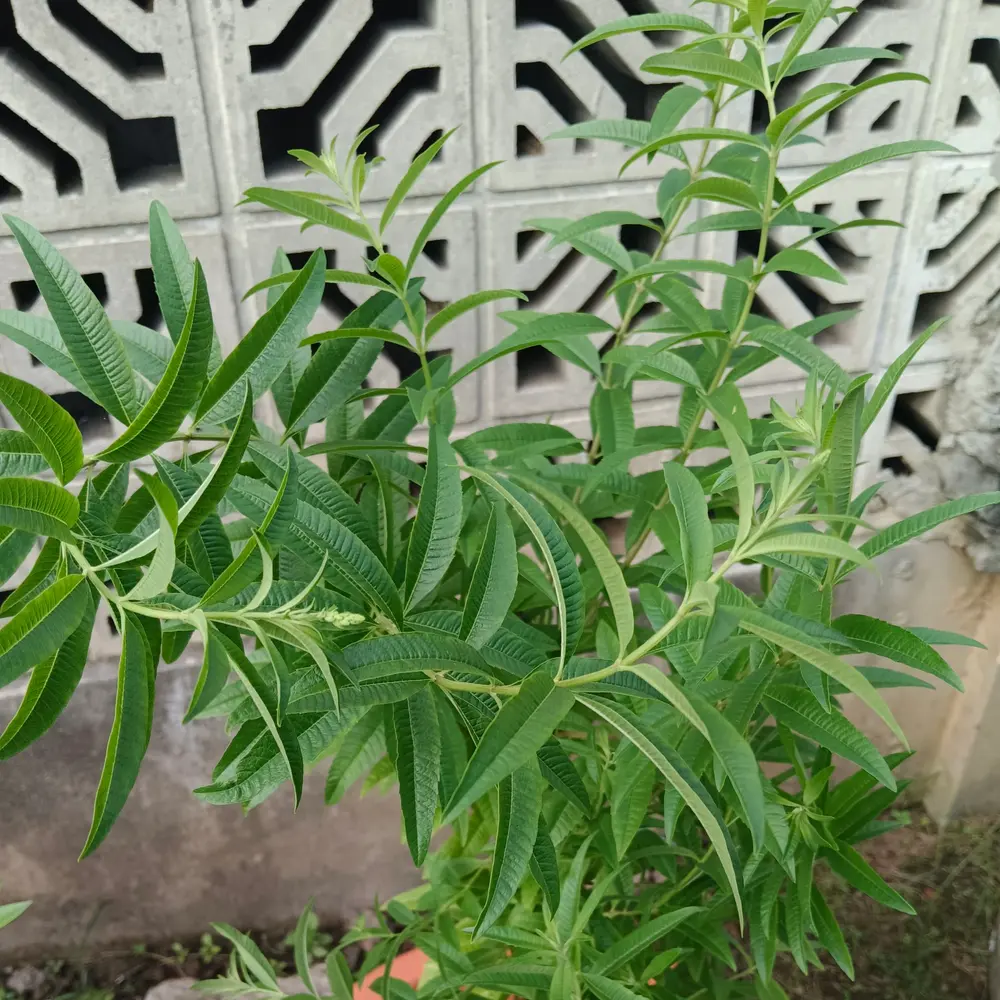
Best Temperature Conditions for Almond Verbena ☀️
Aloysia virgata
By the Greg Editorial Team
Oct 12, 2024•3 min read
This article was created with the help of AI so we can cover more plants for you. May contain errors. See one? Report it here.
Unlock vibrant almond verbena blooms 🌼 by mastering its temperature needs and stress signs for thriving growth!
- 🌡️ Almond verbena thrives between 20°C to 30°C (68°F to 86°F) for optimal growth.
- ❄️🔥 Cold and heat stress symptoms include wilting, discoloration, and drooping stems.
- 🌿 Consistent temperatures and humidity are crucial for healthy almond verbena cultivation.
Temperature Requirements for Almond Verbena
🌡️ Ideal Temperature Range
Almond verbena thrives best in temperatures ranging from 20°C to 30°C (68°F to 86°F). While it can tolerate a minimum of 5°C (41°F) for short periods, temperatures exceeding 35°C (95°F) can induce stress.
Maintaining consistent temperatures is crucial for the healthy growth of almond verbena. Fluctuations can hinder its development and overall vigor.
🔥 Signs of Temperature Stress
Symptoms of Heat Stress
Heat stress manifests through several visible symptoms. Look for wilting leaves, drooping stems, and leaf scorch, which presents as browning edges and tips.
Additionally, you may notice premature leaf drop and reduced flowering. These signs indicate that the plant is struggling to cope with excessive heat.
❄️ Symptoms of Cold Stress
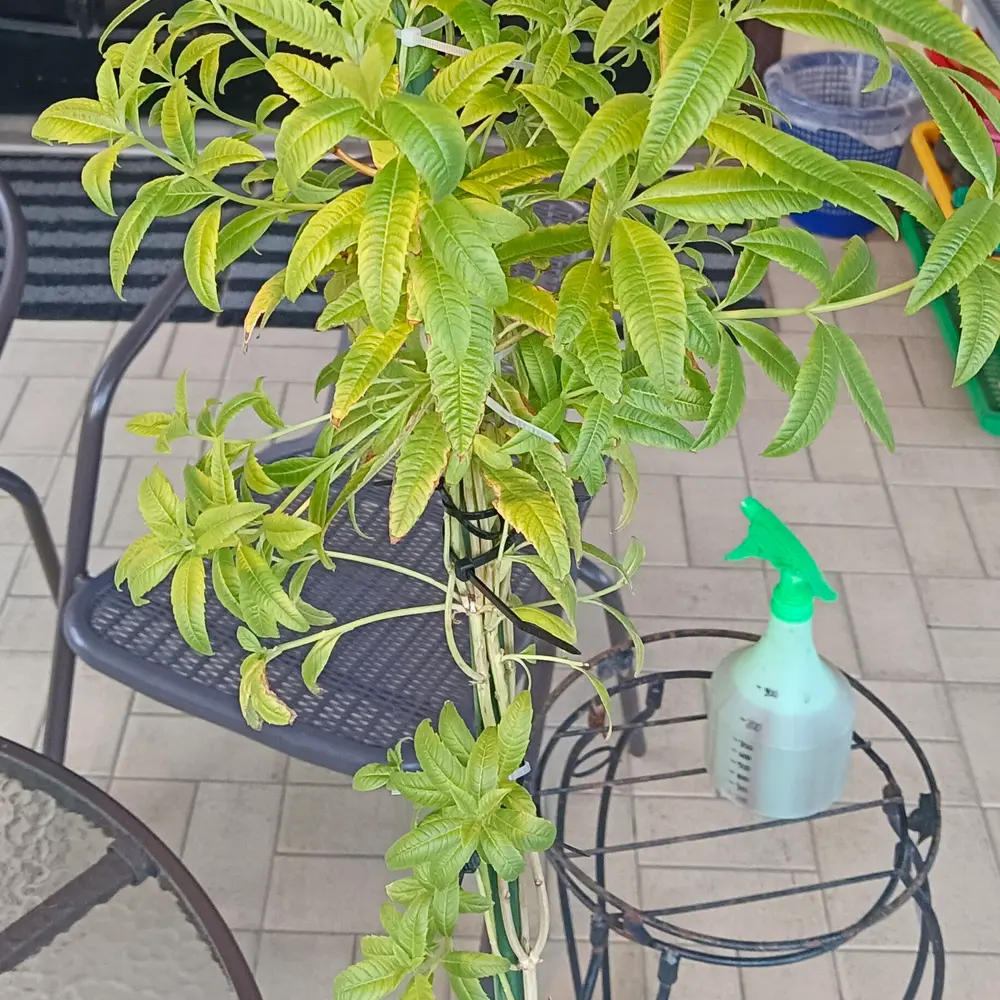
Cold stress can also affect almond verbena, leading to leaf discoloration, often yellowing or browning. You might see wilting even when the plant is adequately watered.
Stunted growth and reduced flowering are common, along with potential frost damage, which appears as blackened leaf tips and edges. These symptoms signal that the plant is not suited for the current temperature.
🌍 Causes of Temperature Stress
Environmental Factors
Several environmental factors contribute to temperature stress. Sudden temperature fluctuations can shock the plant, making it difficult for it to adapt.
Poor soil drainage can exacerbate root stress during temperature extremes. Additionally, exposure to strong winds can further intensify temperature effects, making conditions even harsher.
🍂 Seasonal Changes
Seasonal changes also play a significant role in temperature stress. In spring, late frosts can jeopardize young growth, while summer brings high temperatures that can lead to heat stress.
As fall approaches, the transition to cooler temperatures can shock the plant if it hasn't acclimated properly. Each season presents unique challenges that require attention.
🌎 Geographic Considerations
Growing in Different Climates
Almond verbena flourishes in tropical and subtropical regions, where conditions are ideal for growth. In temperate regions, careful management is essential to avoid frost damage.
In arid climates, ensuring adequate moisture during heat is crucial for the plant's survival. Each climate presents its own set of challenges and opportunities.
🌤️ Regional Temperature Variations
Coastal areas typically experience more stable temperatures, reducing the risk of extremes. Conversely, inland areas face greater temperature fluctuations, necessitating more vigilant care.
Understanding these regional variations can help you better manage your almond verbena's needs.
⚙️ Temperature Management Techniques
Protecting from Extreme Heat
To protect almond verbena from extreme heat, consider providing shade during peak afternoon sun. Mulching can help retain soil moisture and regulate temperature effectively.
Regular watering is essential to prevent wilting and stress. These techniques can help your plant thrive even in challenging conditions.
🥶 Protecting from Frost
When it comes to frost protection, using frost cloths or blankets during cold snaps is a smart move. Planting in sheltered locations can also reduce frost exposure.
Timing your planting to avoid late spring frosts can make a significant difference in your plant's health. These strategies will help safeguard your almond verbena.
💧 Brief Mention of Humidity
Humidity levels can significantly impact almond verbena's health. High humidity may exacerbate heat stress by reducing transpiration, while low humidity can lead to rapid temperature fluctuations.
Both extremes can stress the plant, so monitoring humidity is just as important as temperature management.
Understanding these temperature requirements and stress indicators will empower you to cultivate healthy almond verbena. Next, let’s explore how to effectively manage these conditions for optimal growth.
⚠️ Safety First
This content is for general information and may contain errors, omissions, or outdated details. It is not medical, veterinary advice, or an endorsement of therapeutic claims.
Always consult a qualified healthcare professional before using any plant as food, medicine, or supplement.
Never eat any plant (or feed one to pets) without confirming its identity with at least two trusted sources.
If you suspect poisoning, call Poison Control (800) 222-1222, the Pet Poison Helpline (800) 213-6680, or your local emergency service immediately.
Spotted an error? Please report it here.
Keep your almond verbena thriving in its ideal temperature zone 🌡️ with Greg's personalized watering and care reminders to dodge stress and ensure vibrant growth!