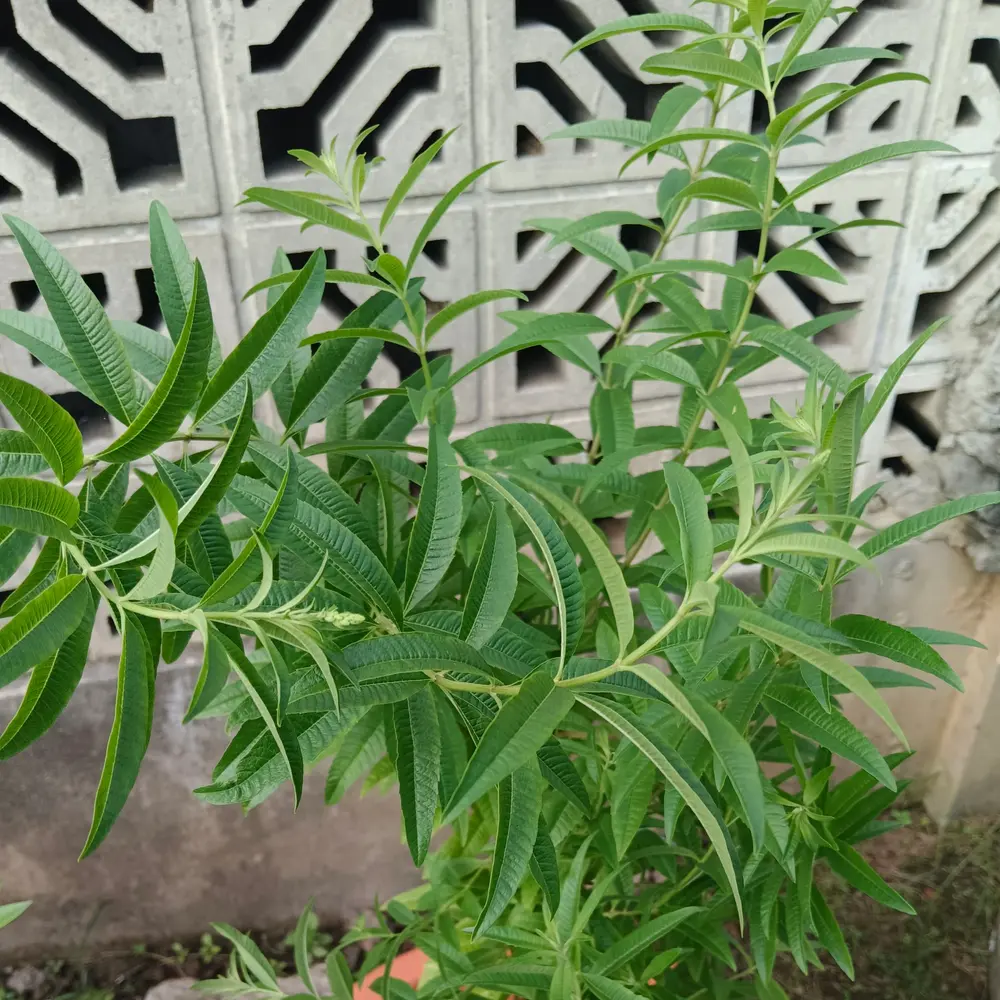
🌼 Top 9 Pot Features Your Almond Verbena Will Love
Aloysia virgata
By the Greg Editorial Team
Oct 12, 2024•5 min read
This article was created with the help of AI so we can cover more plants for you. May contain errors. See one? Report it here.
Master pot size and material for thriving Almond Verbena 🌱 and watch your garden flourish like never before!
- 🌱 Choose the right pot size: Start with 4-6 inches, upgrade as needed.
- 💧 Ensure proper drainage: Essential to prevent root rot and promote healthy growth.
- 🏺 Select suitable materials: Clay cools roots, while plastic aids mobility and moisture retention.
Pot Size for Growth Stages
Recommended Sizes 🌱
Choosing the right pot size is crucial for your Almond Verbena's health at different growth stages.
Seedlings: Start with a container size of 4-6 inches in diameter. This size provides just enough room for young roots to establish without overwhelming them.
Mature Plants: As your plant grows, transition to a 10-12 inch diameter pot. This size supports a more developed root system and allows for better nutrient uptake.
Established Plants: For fully grown Almond Verbena, opt for a 14-16 inch diameter pot. This larger space accommodates extensive root growth and promotes overall plant vitality.
Growth Stages 📈
Transitioning to larger pots is essential to avoid stunted growth.
When roots become cramped, they struggle to absorb water and nutrients effectively. Regularly upgrading pot size ensures your Almond Verbena thrives, showcasing its vibrant foliage and delightful fragrance.
Next, let’s explore the various pot materials that can further enhance your plant’s growth and health.
Pot Materials
Benefits of Clay Pots 🌱
Clay pots are a gardener's best friend. Their porous nature allows for excellent air circulation and moisture regulation, which is crucial for healthy root development.
Additionally, clay pots provide stability for taller plants. This is especially important for Almond Verbena, which can grow quite tall and benefit from a sturdy base.
Advantages of Plastic Pots 🪴
Plastic pots are a game-changer for those who love mobility. They are lightweight and easy to move, making it simple to reposition your plants as needed.
Moreover, plastic pots retain moisture longer than their clay counterparts. This can be a significant advantage in warmer climates where water retention is key.
Comparison of Other Materials 🏺
Ceramic pots are undeniably attractive but come with a downside: they are heavy. While they can add aesthetic value to your garden, their weight can make them cumbersome to handle.
On the other hand, metal pots are durable and can withstand the elements. However, they may heat up quickly, which can stress your plants if not monitored closely.
In summary, the choice of pot material can significantly impact your Almond Verbena's health and growth. Understanding these options will help you make informed decisions for your gardening journey.
Drainage Considerations
Importance of Drainage Holes 🌧️
Drainage holes are crucial for any pot housing your Almond Verbena. They prevent waterlogging, which can suffocate roots and lead to root rot.
How Drainage Affects Health 🌱
Proper drainage promotes healthy root systems. When roots can breathe and access oxygen, your plant thrives, leading to lush growth and vibrant blooms.
Signs of Poor Drainage 🚩
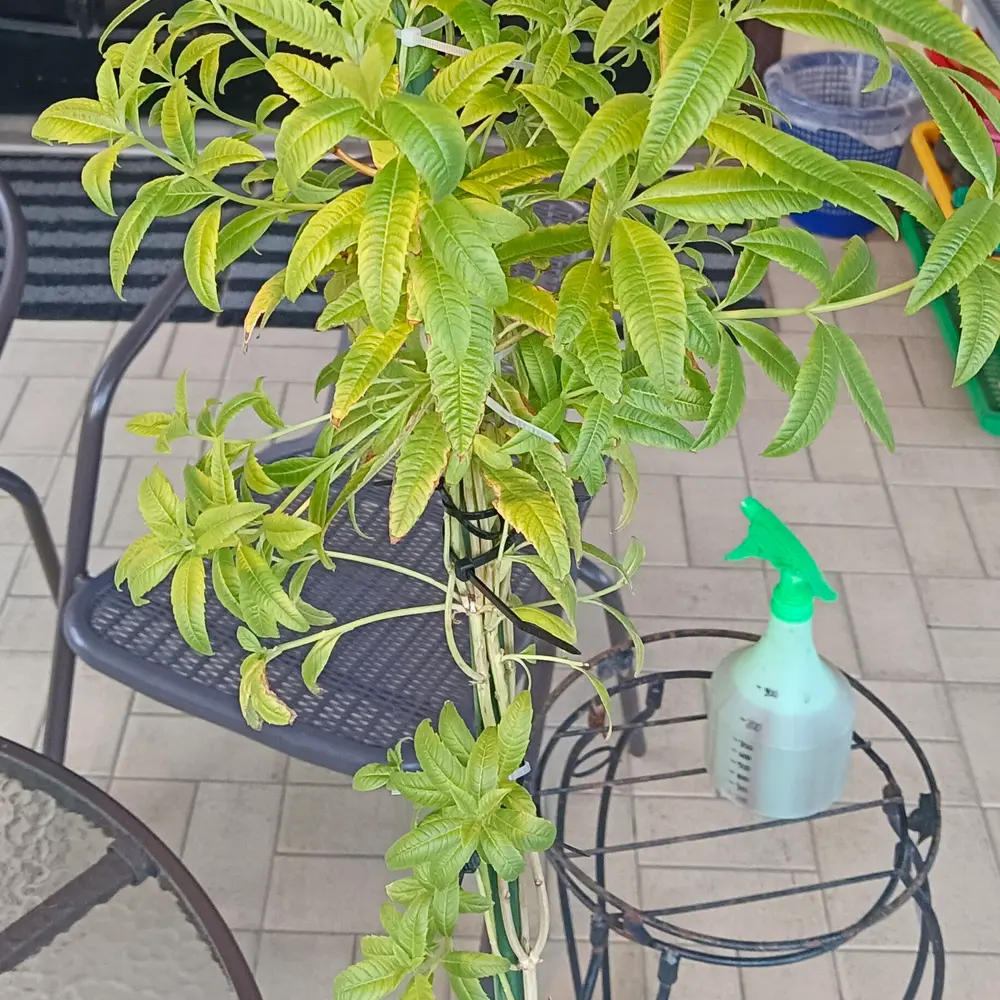
Watch for yellowing leaves and wilting; these are red flags that your plant is struggling. Additionally, mold or algae growth on the soil surface indicates excess moisture, signaling a need for immediate action.
Ensuring proper drainage is vital for the health of your Almond Verbena. Next, let’s explore how to repot your plant effectively to maintain its growth and vitality.
Repotting Almond Verbena
🕒 When to Repot
Repotting is essential for keeping your Almond Verbena thriving. Look for signs like roots growing out of the drainage holes; this is a clear indication that your plant needs more space.
🪴 Choosing the Right Pot
When selecting a new pot, aim for one that is 2-4 inches larger in diameter than the current one. This extra room allows for healthy root expansion and overall growth.
📋 Step-by-Step Guide to Repotting
Repotting may seem daunting, but it’s straightforward. Follow these steps for a successful transition:
- Gather materials: You’ll need a new pot and fresh potting mix.
- Remove the plant gently: Take care not to damage the roots.
- Inspect roots for rot: Trim any unhealthy roots to promote better growth.
- Place the plant in the new pot: Center it well for stability.
- Fill with fresh potting mix: Ensure the plant is well-supported.
- Water thoroughly: This helps settle the soil and hydrates the plant.
With these steps, your Almond Verbena will be ready to flourish in its new home. Proper repotting not only enhances growth but also ensures your plant remains healthy and vibrant.
Next, let’s explore how the choice of pot can impact your plant’s growth and overall health.
Impact of Pot Choice on Growth
🌱 Influence on Root Health
The choice of pot material significantly impacts moisture retention, which is crucial for root health. Clay pots, with their porous nature, allow for better air circulation and help prevent overwatering.
🧪 Effects on Nutrient Absorption
Larger pots can hold more nutrients, providing your Almond Verbena with a steady supply. This is especially important as the plant matures and requires more resources to thrive.
🌡️ Temperature Regulation
Temperature control is another vital aspect of pot choice. Clay pots tend to keep roots cooler, which is beneficial during hot weather, while plastic pots may retain heat, potentially stressing the plant.
Understanding these factors can help you make informed decisions about pot selection, ultimately leading to a healthier, more vibrant Almond Verbena. Next, let’s explore the crucial aspect of drainage considerations to ensure your plant thrives.
⚠️ Safety First
This content is for general information and may contain errors, omissions, or outdated details. It is not medical, veterinary advice, or an endorsement of therapeutic claims.
Always consult a qualified healthcare professional before using any plant as food, medicine, or supplement.
Never eat any plant (or feed one to pets) without confirming its identity with at least two trusted sources.
If you suspect poisoning, call Poison Control (800) 222-1222, the Pet Poison Helpline (800) 213-6680, or your local emergency service immediately.
Spotted an error? Please report it here.
Give your Almond Verbena the perfect potting home 🪴 with Greg's tailored reminders and expert tips to keep it thriving every step of the way!