6 Ideal Companions for Your Almond Verbena 💕
Aloysia virgata
By the Greg Editorial Team
Oct 12, 2024•4 min read
This article was created with the help of AI so we can cover more plants for you. May contain errors. See one? Report it here.
Elevate your garden's health and beauty 🌼 with the powerful benefits of companion planting for Almond Verbena!
- 🌱 Companion planting boosts growth and yields by fostering beneficial plant relationships.
- 🐞 Certain plants deter pests and attract beneficial insects, enhancing garden health.
- 🌼 Marigolds and sage are excellent companions for Almond Verbena, improving fragrance and pest control.
Benefits of Companion Planting
🌱 Enhancing Growth and Yields
Companion planting is a gardening strategy that fosters beneficial relationships between plants. By pairing compatible species, you can enhance growth and yields, creating a thriving ecosystem in your garden.
These symbiotic relationships can lead to improved nutrient uptake and healthier plants. For instance, some plants can provide shade or support, while others may fix nitrogen in the soil, benefiting their neighbors.
🐞 Pest Management
Companion plants also play a crucial role in pest management. They can deter harmful insects and attract beneficial ones, creating a balanced environment.
Common pests like aphids and cabbage moths can wreak havoc on your garden. However, certain companion plants can help repel these nuisances:
- Aphids: Planting marigolds can deter these pests effectively.
- Cabbage Moths: Sage is known to keep these moths at bay.
By strategically choosing companion plants, you can protect your Almond Verbena and promote a healthier garden ecosystem. This proactive approach not only enhances plant health but also reduces the need for chemical pesticides.
As you explore the ideal companion plants for your Almond Verbena, consider how these relationships can elevate your gardening experience.
Ideal Companion Plants
Lavender 🌸
Lavender is a fragrant herbaceous perennial known for its stunning purple flowers. This plant not only attracts pollinators but is also drought-tolerant, making it a perfect match for Almond Verbena's sun and soil preferences.
Sage 🌿
Sage features aromatic gray-green leaves and lovely purple flowers. It effectively deters pests like cabbage moths and enhances the fragrance of Almond Verbena, thriving in similar growing conditions.
Echinacea 🌼
Echinacea, with its tall stature and daisy-like flowers in shades of pink and purple, is a standout in any garden. This perennial attracts pollinators, adds visual appeal, and is resilient against drought.
Yarrow 🌈
Yarrow is a hardy perennial that showcases flat-topped clusters of flowers in various colors. It attracts beneficial insects, improves soil health, and is also drought-tolerant, making it an excellent companion.
Marigold 🌻
Marigolds are brightly colored flowers, available as annuals or perennials. Renowned for their pest-repellent properties, especially against nematodes and aphids, they significantly enhance pest management in your garden.
Catmint 🐱
Catmint is an aromatic perennial adorned with blue to purple flowers. It attracts pollinators, is drought-tolerant, and beautifully complements the visual appeal of Almond Verbena.
These companion plants not only enhance the growth and health of Almond Verbena but also create a vibrant and dynamic garden space. As you plan your garden, consider how these plants can work together to create a thriving ecosystem.
Visual Appeal
Color and Texture Combinations 🎨
Companion plants can dramatically enhance the visual landscape of your garden. The vibrant colors and varied textures create a dynamic environment that draws the eye and elevates the overall aesthetic.
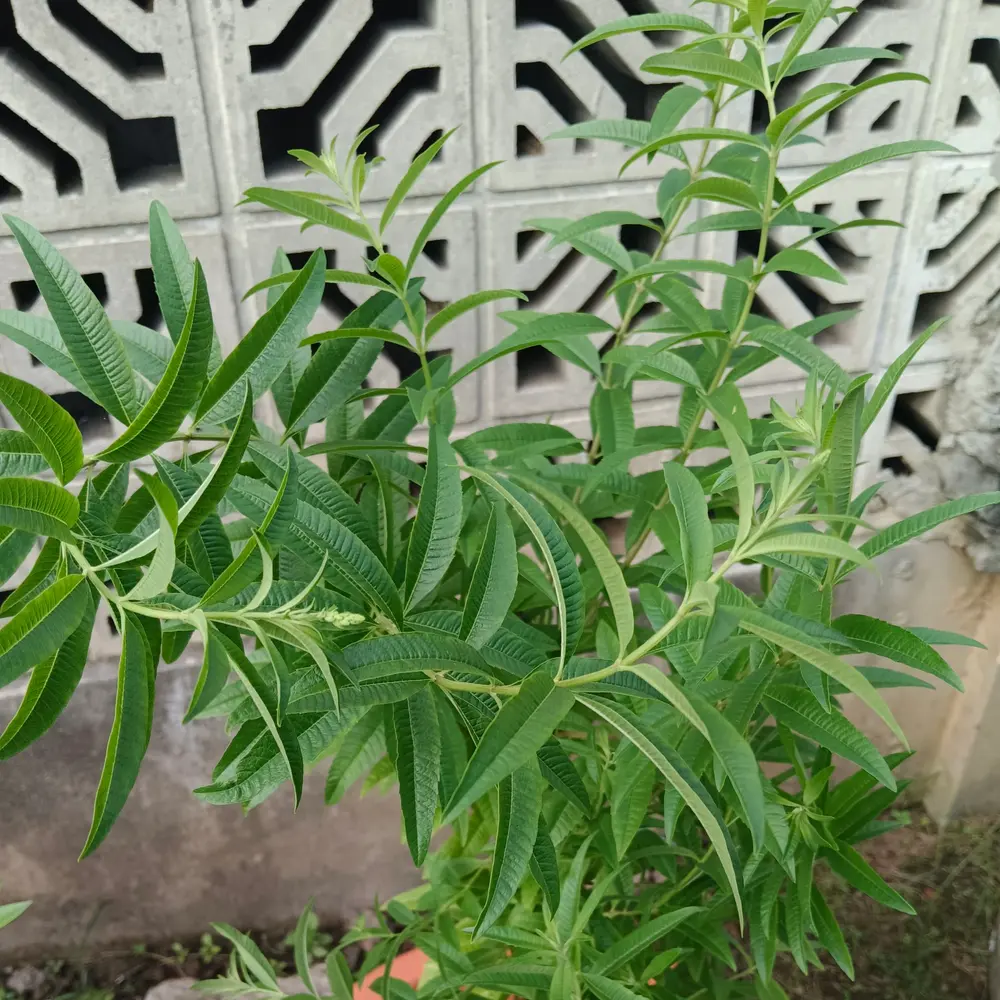
For instance, pairing the purple blooms of lavender with the lush green foliage of Almond Verbena creates a striking contrast. Similarly, the soft gray-green leaves of sage complement the bright yellow marigolds, adding depth and interest to your garden.
Seasonal Interest 🌸
Planning for seasonal changes is crucial for maintaining visual interest throughout the year. Each companion plant has its unique blooming period, ensuring that your garden remains vibrant across seasons.
For example, Echinacea blooms in summer, while Yarrow may continue to flower into fall. By selecting plants with staggered blooming times, you can create a garden that offers continuous beauty, keeping your Almond Verbena company with a colorful display all year round.
As you consider these visual elements, remember that a well-planned garden not only looks good but also supports the health of your plants. Next, let’s explore which plants to avoid to maintain a thriving environment for your Almond Verbena.
Plants to Avoid
🚫 Incompatible Plants
When planning your garden, it's crucial to know which plants to steer clear of. Some plants, like fennel and certain types of mint, can compete for resources with Almond Verbena, stunting its growth.
❌ Reasons for Incompatibility
Incompatibility often arises from similar nutrient needs. For instance, plants that require high nitrogen can deplete the soil, leaving Almond Verbena struggling to thrive.
Additionally, some plants attract pests that can harm your Almond Verbena. For example, if you plant tomatoes nearby, you might invite aphids, which can wreak havoc on your Verbena.
Understanding these dynamics is essential for maintaining a healthy garden. By avoiding these incompatible plants, you can ensure that your Almond Verbena flourishes without unnecessary competition or pest issues.
In the next section, we’ll explore how to enhance the visual appeal of your garden with complementary companion plants.
⚠️ Safety First
This content is for general information and may contain errors, omissions, or outdated details. It is not medical, veterinary advice, or an endorsement of therapeutic claims.
Always consult a qualified healthcare professional before using any plant as food, medicine, or supplement.
Never eat any plant (or feed one to pets) without confirming its identity with at least two trusted sources.
If you suspect poisoning, call Poison Control (800) 222-1222, the Pet Poison Helpline (800) 213-6680, or your local emergency service immediately.
Spotted an error? Please report it here.
Enhance your Almond Verbena's growth and beauty with strategic companion planting 🌱, and let Greg provide you with tailored care tips to ensure your garden thrives all year round!