🌰 Growth Rate of Sweet Almond Bush
Aloysia virgata
By the Greg Editorial Team
Sep 28, 2024•7 min read
This article was created with the help of AI so we can cover more plants for you. May contain errors. See one? Report it here.
Discover how to nurture your sweet almond bush 🌱 through its life cycle for lasting beauty and vitality! 🌼
- 🌱 Germination takes 2-4 weeks in optimal conditions; temperatures should be 70°F to 85°F.
- 🌞 Sweet almond bushes grow 1-3 feet in the first year; full sun is essential.
- 🌼 Blooming occurs from May to June, attracting pollinators and aiding reproduction.
Germination Stage
🌱 Duration of Germination
Germination is an exciting phase for sweet almond bushes, typically taking 2-4 weeks. For the best results, aim for warm temperatures between 70°F to 85°F (21°C to 29°C).
🌿 Conditions for Successful Germination
To ensure successful germination, focus on the right soil type. Well-draining, sandy loam is ideal, as it prevents waterlogging.
Maintaining consistent moisture is crucial, but be careful not to overwater. Additionally, provide indirect sunlight to protect the seeds from overheating.
By creating these optimal conditions, you set the stage for healthy growth. As your seeds germinate, you'll witness the first signs of life, paving the way for the next stages of development.
Seedling Stage
🌱 Characteristics of Seedlings
During the seedling stage, sweet almond bushes typically reach a height of about 2-4 inches. Their small, tender leaves are light green, showcasing the plant's early vitality.
Root development is crucial at this stage. A strong root system is essential for supporting future growth and ensuring the plant can absorb nutrients effectively.
⏳ Duration of the Seedling Stage
The seedling stage usually lasts around 4-6 weeks. You'll know it's time for the next phase when you see true leaves developing and the plant's height increasing.
This period is vital for establishing a healthy foundation. Proper care during these weeks sets the stage for robust growth in the following stages.
As the seedlings mature, they transition into the vegetative growth stage, where their growth patterns become even more pronounced.
Vegetative Growth Stage
Growth Patterns and Characteristics 🌱
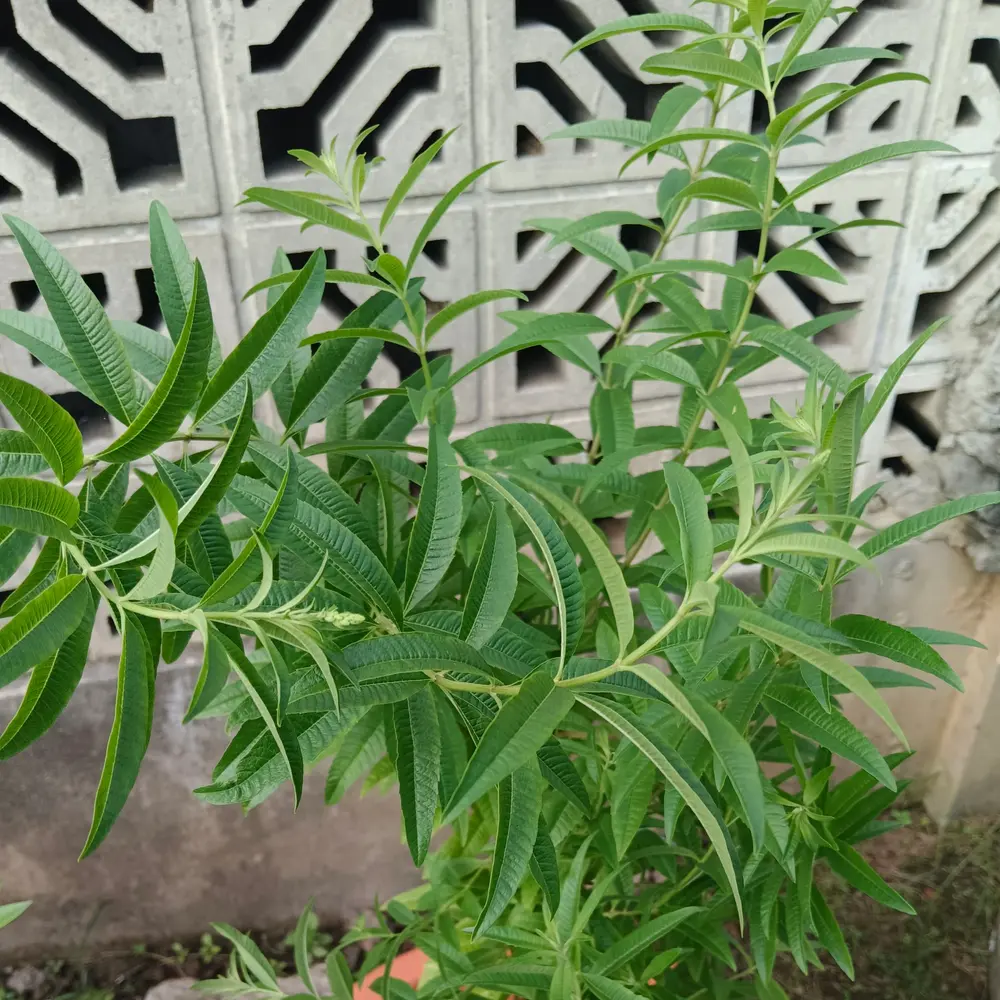
During the vegetative growth stage, sweet almond bushes experience rapid height increases, often reaching between 1 to 3 feet in their first year. This growth is accompanied by the emergence of dark green, aromatic leaves that become increasingly pronounced as the plant matures.
Branching is another key characteristic of this stage. The bush develops a bushy structure with multiple stems, creating a lush appearance that enhances its overall vitality.
Duration of Vegetative Growth ⏳
Typically, the vegetative growth phase lasts about 1 to 2 years. For optimal growth, sweet almond bushes thrive in full sun and well-draining soil, making these conditions essential for their development.
As the plant transitions through its growth stages, understanding these patterns can help you provide the right care and environment. This knowledge sets the stage for the upcoming flowering phase, where the plant will showcase its beautiful blooms.
Flowering Stage
Timing of Flowering 🌸
The sweet almond bush typically bursts into bloom from late spring to early summer, specifically between May and June. This flowering period can vary slightly based on temperature and light exposure, so keep an eye on those conditions for optimal blooms.
Characteristics of Flowers 🌼
The flowers of the sweet almond bush are a delightful sight. They are small, ranging from white to pale lavender, and emit a strong, sweet fragrance that can fill the air.
These flowers are not just pretty; they play a crucial role in attracting pollinators like bees and butterflies. This interaction is vital for the plant's reproductive success, ensuring a vibrant cycle of growth and renewal.
As you observe the flowering stage, you’ll appreciate how these blooms contribute to the overall beauty and ecological importance of the sweet almond bush.
With the flowering stage complete, the plant transitions into the seed production phase, where the magic of nature continues to unfold.
Seed Production Stage
Process of Seed Production 🌼
Pollination is a crucial step in the seed production stage of the sweet almond bush. It occurs naturally, primarily through wind or the activity of insects like bees.
Once pollination happens, seeds begin to form within small capsules that develop after flowering. This process is fascinating, as it showcases nature's intricate design in ensuring the continuation of the species.
Duration and Conditions for Seed Production ⏳
The typical duration for seed production is about 4-6 weeks following the flowering period. During this time, the plant requires adequate moisture and nutrient availability to support seed maturation.
Ensuring these conditions are met is vital for a successful yield. Healthy seeds are essential for the next generation of sweet almond bushes, contributing to their growth and sustainability.
As we explore the growth rate and maturation of the sweet almond bush, understanding the seed production stage lays the groundwork for appreciating its lifecycle.
Growth Rate and Maturation
🌱 How Long Until Fully Grown?
The sweet almond bush typically reaches full maturity in about 2 to 3 years. At this stage, it can grow to a height of 3 to 6 feet, making it a lovely addition to any garden.
⚡️ Factors Affecting Growth Rate
Several factors influence how quickly your sweet almond bush will grow.
- Soil Quality: Nutrient-rich, well-draining soil is essential for promoting faster growth.
- Watering Practices: Consistent moisture is crucial, but be careful not to overwater.
- Sunlight Exposure: Full sun for 6 to 8 hours daily significantly enhances growth.
📏 Average Growth Rate Per Year
In the first year, you can expect your sweet almond bush to grow between 1 to 3 feet. In the following years, it typically adds another 1 to 2 feet annually until it reaches its full height.
Understanding these growth patterns and factors can help you nurture your sweet almond bush effectively. With the right care, you'll enjoy its beauty and benefits for years to come.
Notable Changes Throughout Life Cycle
🌱 Physical Changes During Each Growth Stage
The growth of the sweet almond bush is a fascinating journey.
Germination marks the beginning, where the first leaves emerge, signaling life.
As it transitions to the seedling stage, the plant develops a sturdy stem and a robust root system, laying the groundwork for future growth.
During the vegetative stage, expect increased bushiness and height, as the plant thrives and expands.
In the flowering stage, fragrant flowers make their appearance, adding beauty and attracting pollinators.
Finally, in the seed production stage, small capsules form, housing the seeds for the next generation.
🌿 Changes in Care Needs as the Plant Matures
As the sweet almond bush matures, its care requirements evolve.
Initially, watering frequency is high, but this decreases as the plant establishes itself.
Fertilization also shifts; you’ll move from frequent feeding to maintenance levels, ensuring the plant remains healthy without overdoing it.
Pruning becomes essential to maintain shape and encourage bushiness, allowing the bush to flourish beautifully.
Understanding these changes helps you provide the best care throughout the plant's life cycle, ensuring it thrives for years to come.
With this knowledge, you're ready to nurture your sweet almond bush effectively. Next, let’s explore the overall lifespan of this remarkable plant.
Overall Lifespan
Average Lifespan 🌱
The sweet almond bush typically enjoys a lifespan of 5 to 10 years when grown under optimal conditions. Factors such as plant health, environmental conditions, and care practices play a significant role in determining how long these lovely bushes thrive.
Factors Influencing Longevity 🕰️
Pest and Disease Management
Regular monitoring for pests and diseases is crucial. Early intervention can prevent minor issues from becoming major problems.
Environmental Stressors
Temperature extremes and drought conditions can significantly impact the plant's health. Keeping an eye on weather patterns helps in making timely adjustments.
Soil Health
Maintaining nutrient levels and ensuring proper drainage are vital for longevity. Healthy soil supports robust growth and resilience against stressors.
Understanding these factors can help you nurture your sweet almond bush for years to come. As you care for it, you'll witness its growth and beauty, making the effort worthwhile.
Next, let’s explore the notable changes throughout the life cycle of the sweet almond bush.
⚠️ Safety First
This content is for general information and may contain errors, omissions, or outdated details. It is not medical, veterinary advice, or an endorsement of therapeutic claims.
Always consult a qualified healthcare professional before using any plant as food, medicine, or supplement.
Never eat any plant (or feed one to pets) without confirming its identity with at least two trusted sources.
If you suspect poisoning, call Poison Control (800) 222-1222, the Pet Poison Helpline (800) 213-6680, or your local emergency service immediately.
Spotted an error? Please report it here.
Nurturing your sweet almond bush to its full potential in 2-3 years can be a rewarding journey 🌱, and with Greg's tailored watering plans and care reminders, you'll cultivate a thriving plant that flourishes beautifully!