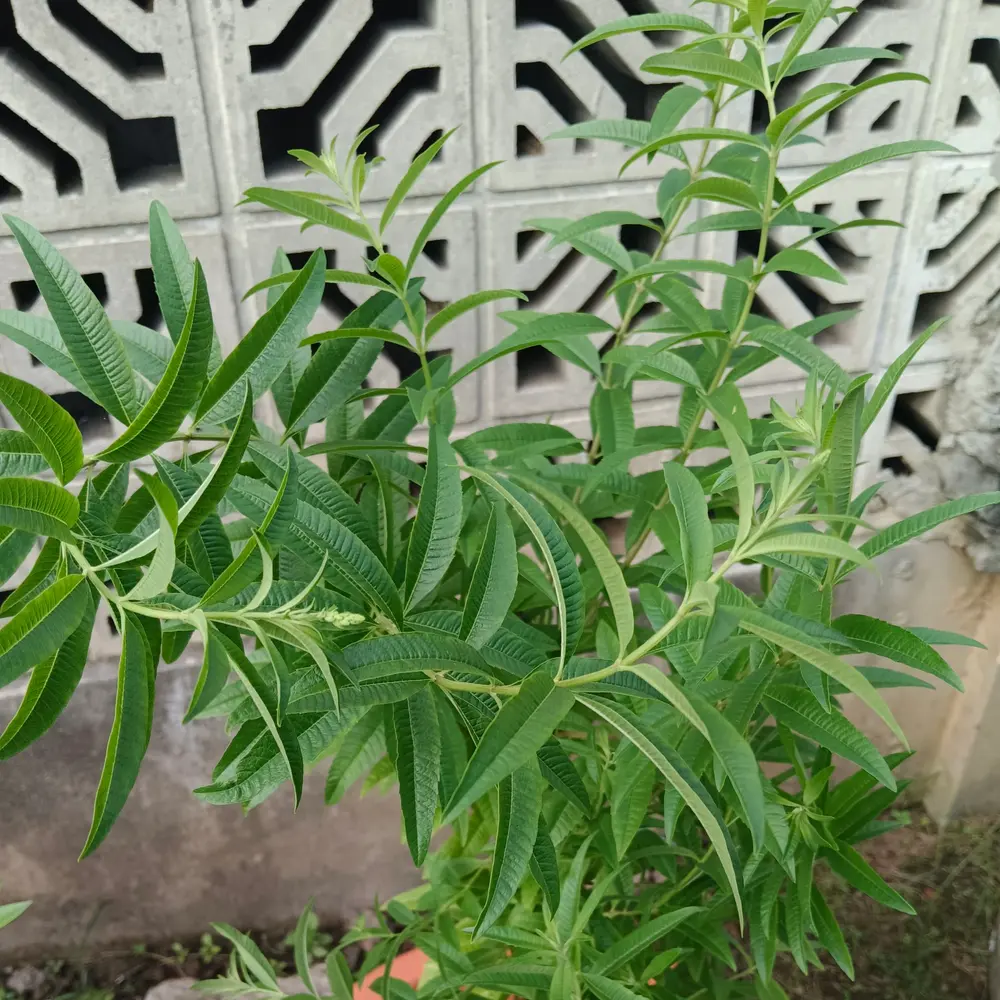
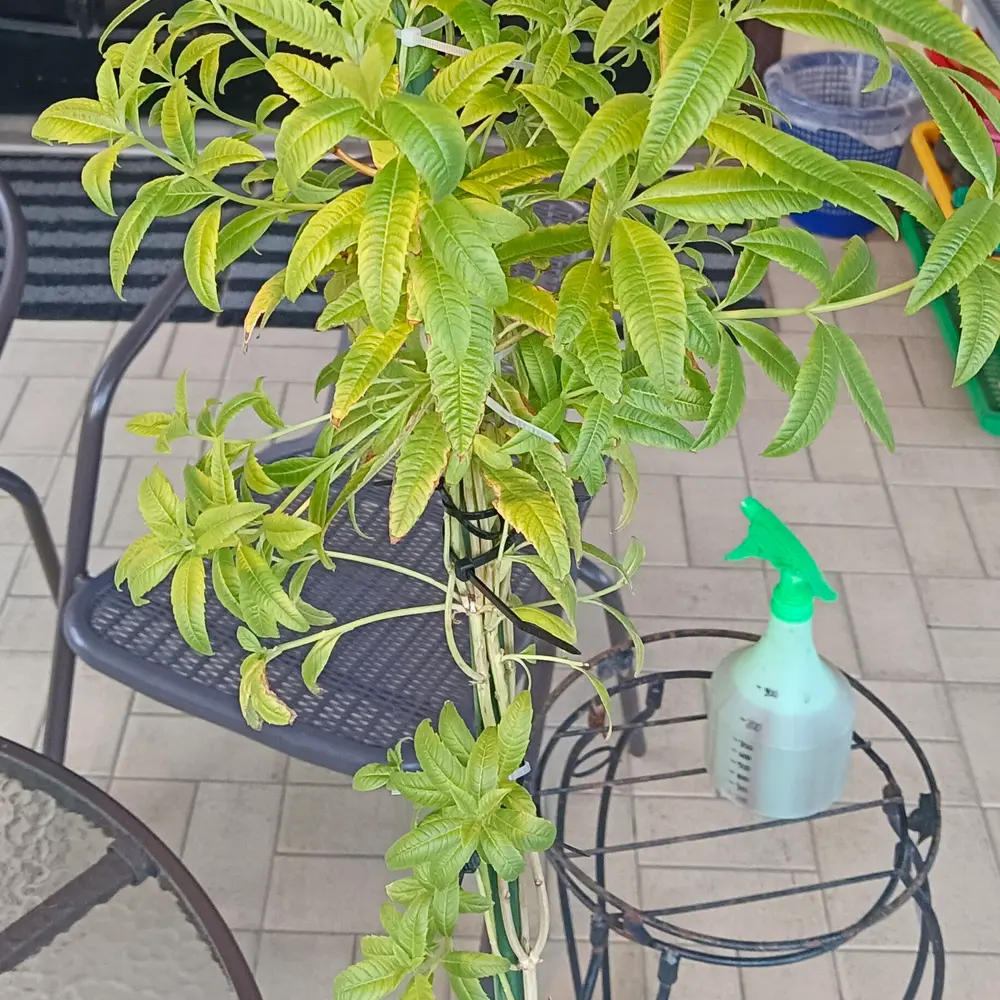
📏 Expected Size of Your Sweet Almond Bush
Aloysia virgata
By the Greg Editorial Team
Sep 28, 2024•5 min read
This article was created with the help of AI so we can cover more plants for you. May contain errors. See one? Report it here.
Elevate your garden's beauty with the adaptable Sweet Almond Bush, thriving in any landscape! 🌱
- 🌳 Sweet Almond Bush grows 6-10 feet tall; dwarf varieties reach 3-4 feet.
- ☀️ Optimal sunlight and soil are crucial for maximum growth and health.
- ✂️ Pruning in late winter encourages bushier growth and controls size effectively.
Mature Height and Spread
Typical Dimensions 🌳
The Sweet Almond Bush typically reaches a mature height of 6 to 10 feet and spreads about 4 to 8 feet wide. This makes it a versatile choice for various landscaping needs, providing both height and fullness.
Factors Influencing Size 📏
Several environmental factors can influence the size of your Sweet Almond Bush. Soil quality, sunlight exposure, and water availability play crucial roles in determining how tall and wide your bush will grow.
For instance, a bush planted in nutrient-rich soil with ample sunlight may flourish, reaching the upper limits of its height range. Conversely, a bush in poor soil or shaded conditions may struggle, resulting in a smaller plant overall.
Understanding these variables can help you create the ideal conditions for your Sweet Almond Bush, ensuring it reaches its full potential.
As you consider the growth of your bush, keep in mind that the right care can lead to impressive results. Next, we’ll explore the growth rate and time it takes for your Sweet Almond Bush to mature.
Growth Rate and Time to Maturity
🌱 Growth Rate
The growth rate of the Sweet Almond Bush can vary significantly based on several factors, including soil quality and water availability. Under optimal conditions, you can expect an average growth rate of about 1 to 2 feet per year.
⏳ Time to Maturity
Reaching full size typically takes around 3 to 5 years. However, the timeline can be influenced by growth conditions, meaning that some bushes may mature faster or slower depending on their environment.
Understanding these growth dynamics can help you plan your garden effectively. Whether you're aiming for a lush landscape or a more controlled growth, knowing what to expect will guide your care for this beautiful plant.
Size Variability Based on Conditions
🌍 Environmental Impact on Size
The size of your Sweet Almond Bush can vary significantly based on its growing conditions. Factors like soil quality, sunlight exposure, and water availability play crucial roles in determining how tall and wide your bush will grow.
🌱 Soil Quality and Nutrient Availability
Healthy soil is the foundation for robust growth. Nutrient-rich soil promotes larger plants, while poor soil can stunt growth and lead to smaller dimensions.
☀️ Sunlight Exposure and Water Requirements
Sweet Almond Bush thrives in full sun, ideally receiving at least six hours of direct sunlight daily. Insufficient sunlight can lead to leggy growth, while adequate water ensures the plant remains hydrated and healthy.
🌡️ Climate and Geographic Influence
The local climate also impacts size. For instance, warmer regions may encourage faster growth, while cooler climates can slow down development. Geographic factors, such as elevation and humidity, further influence how your Sweet Almond Bush will flourish.
Understanding these variables can help you create the ideal environment for your Sweet Almond Bush, ensuring it reaches its full potential. Next, we’ll explore the growth rate and time to maturity, giving you a clearer picture of what to expect as your plant develops.
Dwarf and Giant Varieties
Dwarf Varieties 🌱
Dwarf Sweet Almond Bushes are compact, typically reaching heights of 3 to 4 feet. These varieties are perfect for smaller gardens or landscape designs where space is limited.
To thrive, dwarf varieties need well-drained soil and plenty of sunlight. They can be used as low hedges or in mixed borders, adding beauty without overwhelming the space.
Giant Varieties 🌳
On the other end of the spectrum, giant Sweet Almond Bushes can exceed 10 feet in height. These impressive plants make a bold statement in larger landscapes, providing both visual interest and a lush backdrop.
Giant varieties require ample space and nutrient-rich soil to flourish. They are ideal for creating privacy screens or as focal points in expansive gardens, showcasing their grandeur.
Understanding the differences between dwarf and giant varieties helps you choose the right fit for your garden's needs. Whether you're looking to maximize a small area or fill a vast space, there's a Sweet Almond Bush variety for you.
Size Control Techniques
Pruning Methods for Size Management ✂️
Pruning is essential for controlling the size of your Sweet Almond Bush and encouraging a bushier growth habit. The best time to prune is late winter to early spring, just before new growth begins.
Training Techniques for Desired Growth 🎯
Training your Sweet Almond Bush can help achieve the dimensions you desire. Using stakes or supports for young plants can guide their growth direction effectively.
Seasonal Considerations for Pruning 📅
Timing is crucial when it comes to pruning, especially in relation to flowering and growth cycles. Following best practices throughout the growing season will help maintain size control and promote healthy growth.
Incorporating these techniques will not only keep your Sweet Almond Bush in check but also enhance its overall appearance. Next, we’ll explore the fascinating world of dwarf and giant varieties, showcasing their unique characteristics and ideal growing conditions.
⚠️ Safety First
This content is for general information and may contain errors, omissions, or outdated details. It is not medical, veterinary advice, or an endorsement of therapeutic claims.
Always consult a qualified healthcare professional before using any plant as food, medicine, or supplement.
Never eat any plant (or feed one to pets) without confirming its identity with at least two trusted sources.
If you suspect poisoning, call Poison Control (800) 222-1222, the Pet Poison Helpline (800) 213-6680, or your local emergency service immediately.
Spotted an error? Please report it here.
Help your Sweet Almond Bush reach its full potential 🌳 with Greg's tailored care tips and reminders that adapt to your unique environment!