🌸 Getting Your Sweet Almond Bush to Bloom
Aloysia virgata
By the Greg Editorial Team
Sep 28, 2024•4 min read
This article was created with the help of AI so we can cover more plants for you. May contain errors. See one? Report it here.
Unlock the charm of the Sweet Almond Bush 🌼, a resilient beauty that thrives and blooms in any garden! 🌿
- 🌸 Sweet Almond Bush blooms with delicate flowers from late summer to early fall.
- 🌱 Proper care like pruning and watering encourages more blooms and vibrant growth.
- 🐝 Attracts pollinators during blooming, enhancing biodiversity in your garden.
Flowering Status
The Sweet Almond Bush does indeed produce flowers, which is a delightful aspect of this plant. Understanding its flowering characteristics is crucial for optimal care and appreciation.
Recognizing when and how these flowers bloom can enhance your gardening experience. Knowing the flowering status helps you provide the right conditions for vibrant blooms.
If Sweet Almond Bush Flowers
🌼 Flower Characteristics
Description of Colors and Structure
The Sweet Almond Bush showcases small, delicate flowers that range from white to pale lavender. These blooms are arranged in striking spikes, adding a unique texture to the plant.
Pollination
When it comes to pollination, the Sweet Almond Bush has a fascinating approach. It can self-pollinate, but it also benefits from external pollinators, enhancing its flowering potential.
🌸 Blooming Process
Stages of Blooming
The blooming process unfolds in several stages. It begins with bud formation, progresses to the opening of the flowers, and culminates in full bloom.
Typical Bloom Time and Duration
Typically, the Sweet Almond Bush blooms from late summer to early fall. The entire journey from bud formation to full bloom takes about 4 to 6 weeks.
Lifespan of Flowers
Once fully bloomed, the flowers last for about 1 to 2 weeks. This brief period is a delightful showcase of nature's beauty.
🌱 Encouraging Blooms
Tips for Promoting Flowering
To encourage more blooms, focus on proper care. Regular pruning, appropriate fertilization, and consistent watering can significantly boost flowering.
Factors Influencing Flowering
Environmental conditions play a crucial role in flowering. Adequate light, optimal temperature, and balanced soil moisture are key factors that influence the plant's ability to bloom.
🌿 Post-Flowering
What Happens After Flowering
After the flowering period, the Sweet Almond Bush enters a phase of recovery. It redirects energy towards growth and preparing for the next blooming cycle.
Discussion on Plant Longevity Post-Bloom
The longevity of the Sweet Almond Bush is impressive. Even after blooming, it continues to thrive, contributing to the landscape for many years to come.
This understanding of the flowering process not only enhances your appreciation of the Sweet Almond Bush but also equips you with the knowledge to care for it effectively. Next, we’ll explore what to do if your Sweet Almond Bush doesn’t flower.
If Sweet Almond Bush Doesn't Flower
Primary Ornamental Features 🌿
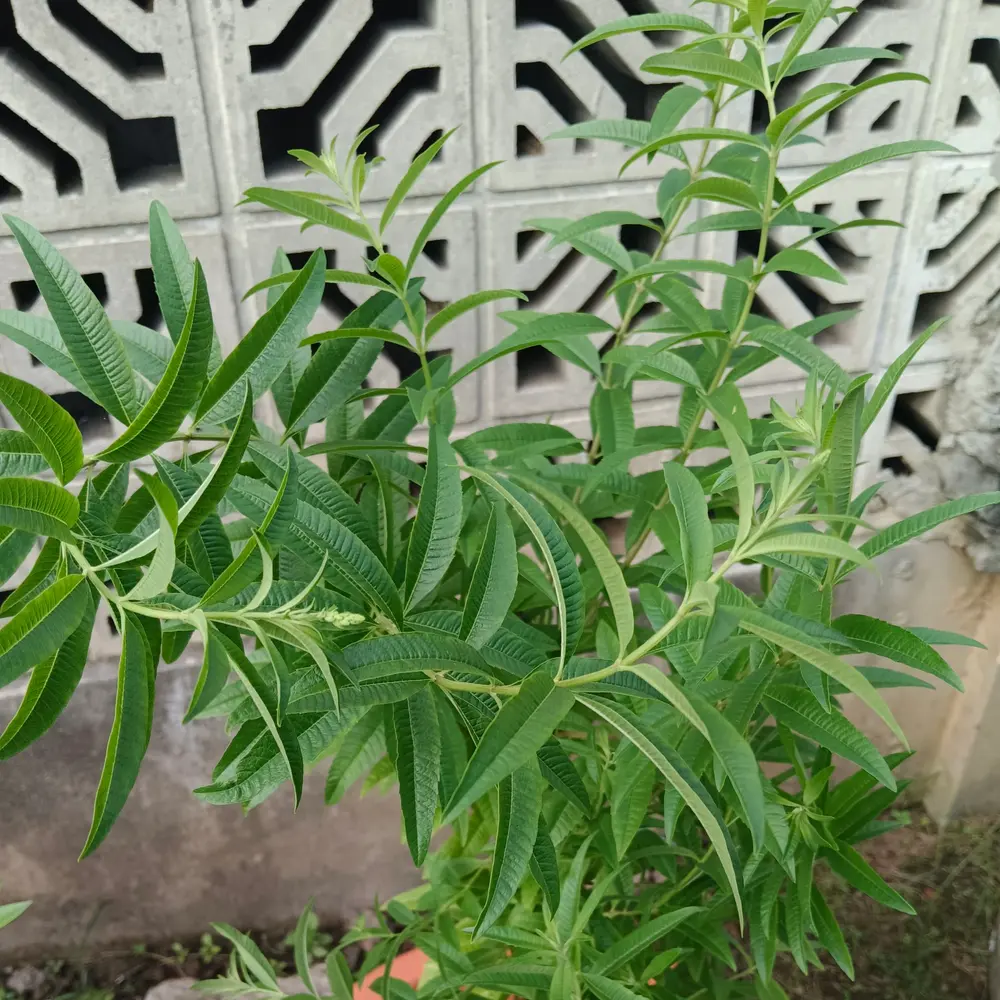
Even without flowers, the Sweet Almond Bush shines with its lush, fragrant foliage. The leaves emit a delightful aroma, especially when brushed against, making it a sensory delight in any garden.
This bush serves as an excellent backdrop or focal point, providing vibrant greenery that enhances the landscape. Its dense growth habit adds texture and depth, ensuring it remains visually appealing year-round.
Reproductive Strategies Without Flowers 🌱
Interestingly, the Sweet Almond Bush has developed unique ways to reproduce without relying on flowers. It primarily utilizes vegetative propagation, where new plants emerge from existing stems or roots.
This method allows the bush to thrive even in less-than-ideal conditions. By sending out runners or suckers, it can expand its territory and ensure its survival, showcasing its resilience in the garden.
Understanding these features can help you appreciate the Sweet Almond Bush even when it's not in bloom. Its ornamental value and clever reproductive strategies make it a worthwhile addition to any landscape.
As we explore the unique aspects of this plant, you'll discover even more fascinating traits that contribute to its charm.
Unique Aspects
🌸 Unusual Characteristics
The Sweet Almond Bush is fascinating for its dual nature. While it can produce lovely flowers, its fragrant foliage often steals the show, providing a delightful aroma even when blooms are absent.
This plant is also known for its resilience. It can thrive in various conditions, making it a versatile choice for gardeners looking to add a touch of beauty without demanding too much attention.
🤔 Interesting Facts
Did you know that the Sweet Almond Bush can reproduce even without flowers? It employs vegetative propagation, allowing it to spread and thrive in its environment.
This unique reproductive strategy is significant in gardening and landscaping. It means that even if flowering is sparse, the plant can still contribute to a lush, green space, making it a reliable choice for those seeking low-maintenance beauty.
Incorporating this bush into your garden not only enhances its aesthetic appeal but also supports biodiversity, as it attracts various pollinators when it does bloom.
⚠️ Safety First
This content is for general information and may contain errors, omissions, or outdated details. It is not medical, veterinary advice, or an endorsement of therapeutic claims.
Always consult a qualified healthcare professional before using any plant as food, medicine, or supplement.
Never eat any plant (or feed one to pets) without confirming its identity with at least two trusted sources.
If you suspect poisoning, call Poison Control (800) 222-1222, the Pet Poison Helpline (800) 213-6680, or your local emergency service immediately.
Spotted an error? Please report it here.
Transform your Sweet Almond Bush into a blooming beauty 🌼 with Greg's tailored care tips and reminders, ensuring it thrives and enchants your garden all season long!