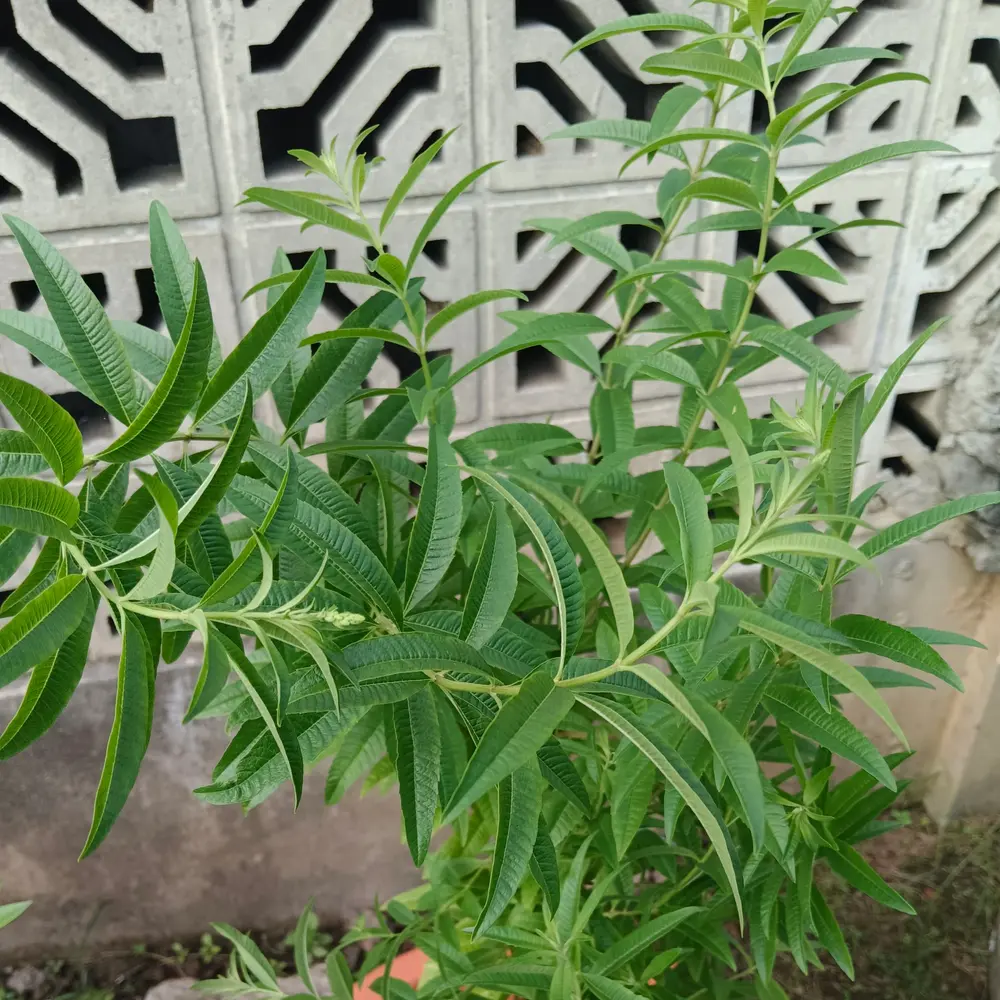
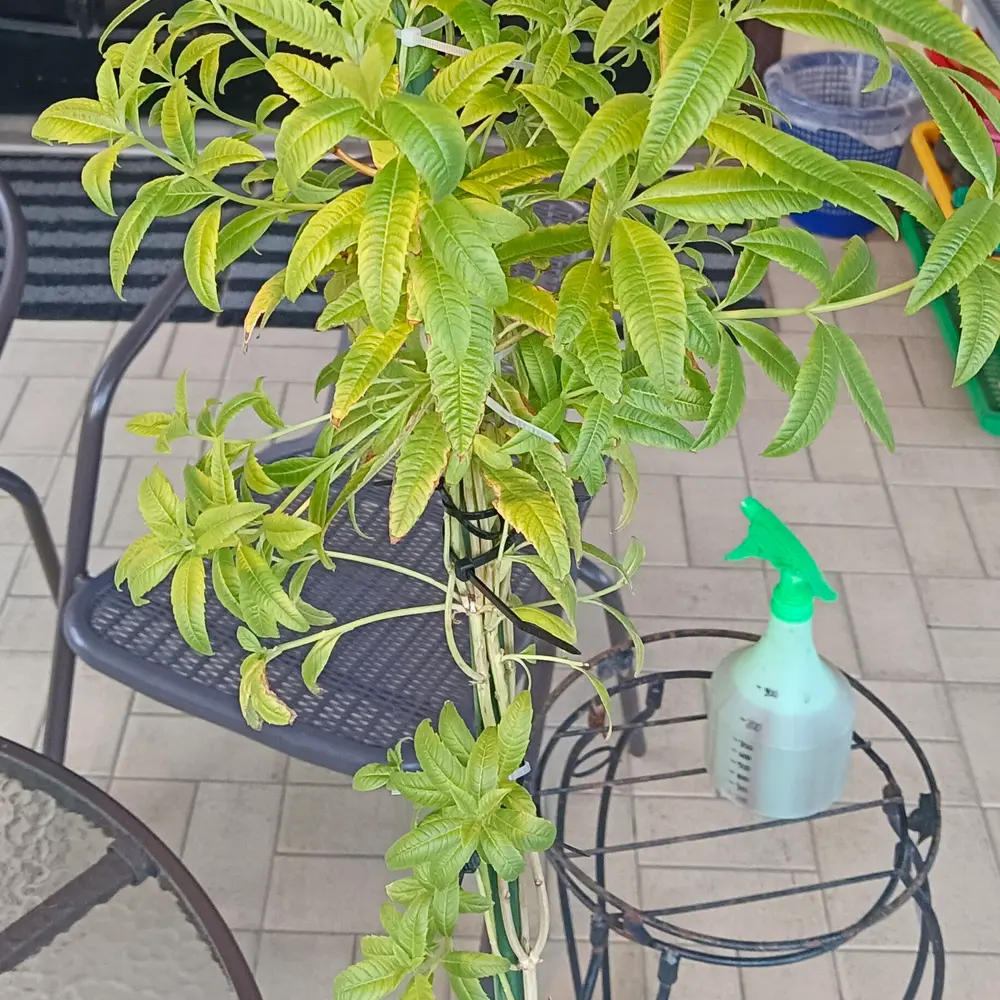
10 Companions to Boost Your Sweet Almond Bush's Growth 💧
Aloysia virgata
By the Greg Editorial Team
Sep 28, 2024•6 min read
This article was created with the help of AI so we can cover more plants for you. May contain errors. See one? Report it here.
Boost your Sweet Almond Bush's health 🌱 with the perfect companion plants for a vibrant garden ecosystem!
- 🌱 Companion planting boosts Sweet Almond Bush growth by enhancing health and resilience.
- 🐝 Lavender and marigolds attract pollinators while repelling pests, promoting a healthier garden.
- 🌼 Diverse companions like echinacea and yarrow support Sweet Almond Bush's overall health and ecosystem.
Best Companion Plants for Sweet Almond Bush
🌸 Plant 1: Lavender
Lavender is an aromatic herb known for its stunning purple flowers. It attracts pollinators while effectively repelling pests like aphids and moths, making it a fantastic companion for your Sweet Almond Bush.
🌼 Plant 2: Marigold
Marigolds are bright, cheerful flowers that add a splash of color to any garden. They serve as natural pest repellents, particularly against nematodes and whiteflies, ensuring a healthier environment for your Sweet Almond Bush.
🌿 Plant 3: Sage
Sage features aromatic gray-green leaves and is another excellent companion. It deters pests while attracting pollinators, and its drought-tolerant nature aligns perfectly with the needs of the Sweet Almond Bush.
🌺 Plant 4: Echinacea
Echinacea, with its tall stature and vibrant flowers, is a perennial favorite. It attracts beneficial insects and pollinators, enhancing garden diversity and supporting the overall health of your Sweet Almond Bush.
🌱 Plant 5: Yarrow
Yarrow is a hardy perennial characterized by feathery leaves and clusters of flowers. It attracts predatory insects that help control pests and is drought-tolerant, making it an easy-care companion.
🐝 Plant 6: Bee Balm
Bee Balm is a fragrant perennial with tubular flowers that draw in bees and butterflies. This not only enhances pollination for your Sweet Almond Bush but also adds delightful scents to your garden.
🌾 Plant 7: Thyme
Thyme is a low-growing herb adorned with small flowers. It's drought-tolerant, attracts pollinators, and repels certain pests, making it a practical choice for companion planting.
🍕 Plant 8: Oregano
Oregano boasts hardy, aromatic leaves and is known for its pest-repelling qualities. It attracts beneficial insects and complements the needs of the Sweet Almond Bush beautifully.
🌻 Plant 9: Black-eyed Susan
Black-eyed Susans are known for their bright yellow flowers with dark centers. They attract pollinators and beneficial insects, adding visual appeal and supporting the ecosystem around your Sweet Almond Bush.
😺 Plant 10: Catmint
Catmint is an aromatic perennial featuring lovely blue flowers. It attracts pollinators while repelling pests like aphids, making it a valuable companion for your Sweet Almond Bush.
These companion plants not only enhance the growth of your Sweet Almond Bush but also contribute to a vibrant and diverse garden. Next, we’ll explore which plants to avoid near your Sweet Almond Bush for optimal growth.
Plants to Avoid Near Sweet Almond Bush
🌿 Fennel
Fennel is a beautiful plant, but it can be a troublemaker in your garden. Its allelopathic properties can inhibit the growth of nearby plants, including your Sweet Almond Bush.
🥬 Cabbage Family
The cabbage family, while nutritious, can attract pests like cabbage worms. These pests may also target your Sweet Almond Bush, leading to potential damage and reduced growth.
Avoiding these plants will help ensure your Sweet Almond Bush thrives. By choosing the right companions, you can create a flourishing garden that supports your plants' health and growth.
Next, let’s explore how companion planting can effectively manage pests and enhance your garden's ecosystem.
Pest Management through Companion Planting
Companion planting is a powerful strategy for managing pests in your garden. By strategically placing certain plants near your Sweet Almond Bush, you can create a natural barrier or attract beneficial insects that help keep pests at bay.
🐞 How Companion Plants Deter Pests
Companion plants work in various ways to deter unwanted visitors. They can emit scents that confuse pests or attract predators that feast on them. This natural approach reduces the need for chemical pesticides, promoting a healthier garden ecosystem.
🌼 Effective Pest-Repellent Companions
Two standout companions for your Sweet Almond Bush are lavender and marigold.
- Lavender: Its aromatic flowers not only attract pollinators but also repel pests like aphids and moths.
- Marigold: Known for its bright blooms, marigold effectively wards off nematodes and whiteflies, making it a must-have in your garden.
By incorporating these plants, you can enhance the health of your Sweet Almond Bush while enjoying a vibrant, pest-free garden.
As we explore the visual appeal and design of your garden next, consider how these companion plants can also elevate the aesthetic of your outdoor space.
Visual Appeal and Garden Design
Companion plants can significantly enhance the aesthetic of your Sweet Almond Bush garden. Their colorful blooms and varied foliage create a vibrant tapestry that draws the eye and invites exploration.
🎨 Creating Visual Interest
When selecting companion plants, consider those that offer a mix of colors and textures. For instance, the purple hues of lavender contrast beautifully with the bright yellow of Black-eyed Susans, creating a lively visual dynamic.
🏡 Tips for Arrangement
To achieve visual harmony, group plants with similar heights and colors. This not only enhances the overall look but also makes maintenance easier.
- Height Grouping: Place taller plants like Echinacea at the back and shorter ones like thyme in the front.
- Color Coordination: Choose a color palette that complements the Sweet Almond Bush, ensuring a cohesive appearance.
🌼 Seasonal Considerations
Don’t forget to consider seasonal bloom times. By incorporating plants that flower at different times, you can ensure continuous interest throughout the growing season.
This thoughtful arrangement not only beautifies your garden but also supports the health of your Sweet Almond Bush. With the right companions, your garden can flourish in both form and function.
As you plan your garden design, keep in mind the symbiotic relationships that will further enhance your Sweet Almond Bush's growth.
Symbiotic Relationships
In gardening, symbiotic relationships refer to the mutual benefits that plants can provide each other. This can include nutrient sharing, pest deterrence, and even improved growth conditions.
🌱 Nutrient Sharing and Pest Deterrence
Certain plants can enhance the health of their neighbors by sharing nutrients through their root systems. For example, companion plants can deter pests that might otherwise harm the Sweet Almond Bush, creating a healthier garden ecosystem.
🌼 Beneficial Interactions with Sweet Almond Bush
Lavender and marigold are standout companions for the Sweet Almond Bush. Lavender attracts pollinators, which boosts the bush's growth, while marigold acts as a natural pest repellent, keeping harmful insects at bay.
These interactions not only promote the health of the Sweet Almond Bush but also contribute to a vibrant and diverse garden. By choosing the right companions, you can create a flourishing environment that benefits all plants involved.
As you explore companion planting, consider how these relationships can transform your garden into a thriving ecosystem. Next, let’s delve into how companion plants enhance the visual appeal and design of your Sweet Almond Bush garden.
⚠️ Safety First
This content is for general information and may contain errors, omissions, or outdated details. It is not medical, veterinary advice, or an endorsement of therapeutic claims.
Always consult a qualified healthcare professional before using any plant as food, medicine, or supplement.
Never eat any plant (or feed one to pets) without confirming its identity with at least two trusted sources.
If you suspect poisoning, call Poison Control (800) 222-1222, the Pet Poison Helpline (800) 213-6680, or your local emergency service immediately.
Spotted an error? Please report it here.
Transform your garden into a thriving ecosystem 🌼 by pairing your Sweet Almond Bush with companions like lavender and marigolds, while Greg provides personalized care tips to help you succeed!