Sweet Almond Bush Is Not an Annual
Aloysia virgata
By the Greg Editorial Team
Sep 28, 2024•5 min read
This article was created with the help of AI so we can cover more plants for you. May contain errors. See one? Report it here.
Uncover the Sweet Almond Bush 🌱, a resilient perennial that brings lasting beauty to your garden season after season!
- 🌱 Sweet Almond Bush is a perennial, thriving for over a decade with continuous blooms.
- 🌼 Unlike annuals, it regenerates from roots, offering sustained growth and beauty.
- 🌍 Proper care and conditions enhance its resilience, attracting wildlife and pollinators.
Genetic and Physiological Characteristics
🌱 Long-term Lifecycle of Sweet Almond Bush
The Sweet Almond Bush has a fascinating lifecycle that unfolds over several stages. It begins with germination, progresses through vegetative growth, transitions into flowering, and ultimately enters a period of dormancy.
This perennial can live for many years, often exceeding a decade, showcasing its resilience and longevity. Such a lifespan allows gardeners to enjoy its beauty season after season.
🌳 Growth Patterns and Habits
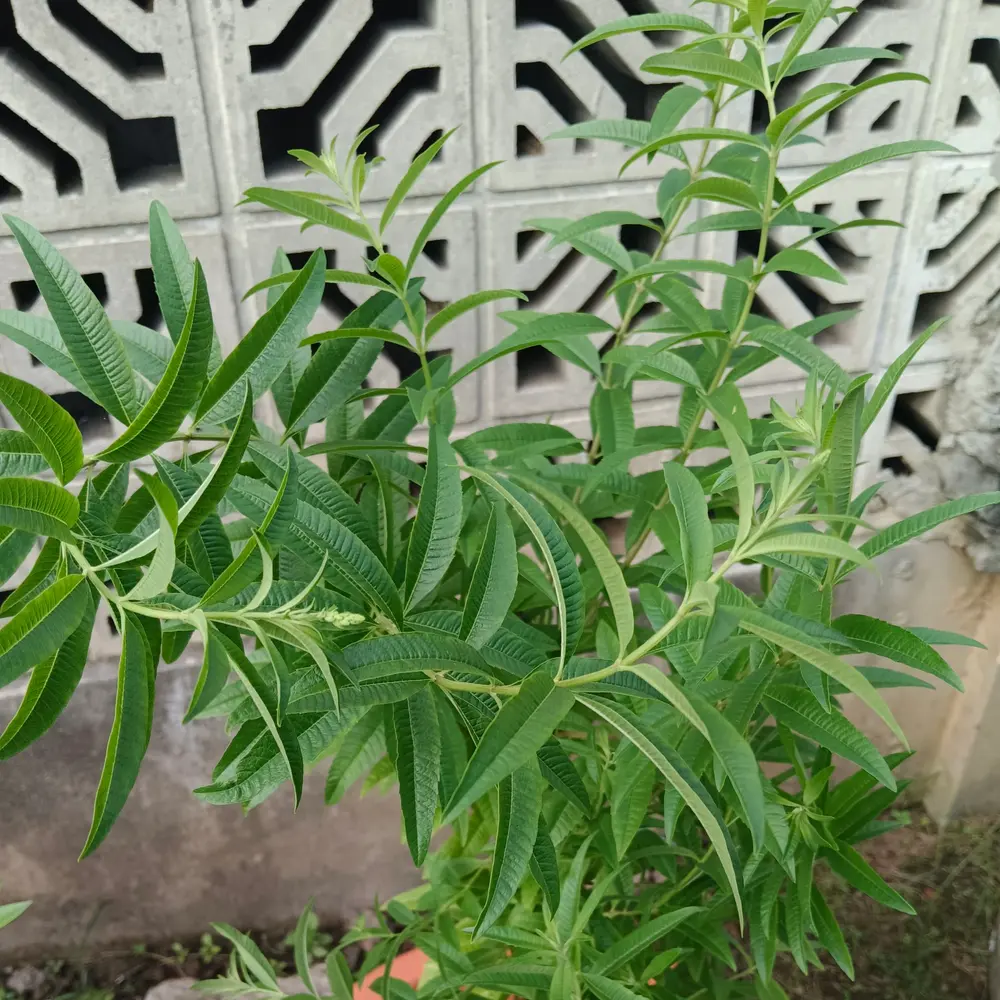
One of the standout features of the Sweet Almond Bush is its woody structure. This allows it to regenerate from established roots, ensuring it can bounce back even after harsh conditions.
Each year, it produces new growth, maintaining a robust and healthy appearance. While it thrives in various environments, it particularly prefers well-drained soil, which supports its growth habits.
🌼 Reproductive Strategies and Flowering Cycles
The Sweet Almond Bush is known for its impressive flowering cycles. Typically, it blooms multiple times a year, providing a continuous display of beauty.
In terms of reproduction, it produces viable seeds that can remain dormant for years. This adaptability not only enhances its survival but also attracts pollinators, boosting its reproductive success.
With its unique lifecycle and growth characteristics, the Sweet Almond Bush stands out as a perennial that offers both beauty and resilience. Next, we’ll explore how its lifecycle implications differ from those of annual plants.
Lifecycle Implications
🌱 Growth and Flowering Differences Between Sweet Almond Bush and Annuals
The sweet almond bush boasts an extended blooming period, often flowering multiple times throughout the growing season. This contrasts sharply with annuals, which typically bloom for a shorter duration before completing their lifecycle.
While annuals may shoot up quickly, the sweet almond bush exhibits a slower initial growth rate. However, this plant compensates with sustained growth over the years, creating a robust presence in any garden.
Moreover, the sweet almond bush demonstrates remarkable resilience. It can survive adverse conditions, returning each season to delight gardeners with its beauty.
🌾 Seed Production and Longevity in Perennials
One of the standout features of the sweet almond bush is its seed viability. Its seeds can remain dormant yet viable for several years, ready to sprout when conditions are right.
In contrast, annuals produce seeds rapidly but perish after one season. This difference highlights the sweet almond bush's long-term investment potential in your garden, ensuring beauty year after year.
Understanding these lifecycle implications can help you appreciate the unique qualities of the sweet almond bush. As we explore common misconceptions next, you'll see how this plant's true nature can sometimes be misunderstood.
Common Misconceptions
Conditions Where Sweet Almond Bush May Be Mistaken for an Annual 🌱
Sweet Almond Bush can easily be misidentified as an annual, especially in harsh winters. While it may die back during colder months, it has the remarkable ability to resprout in spring, showcasing its resilience.
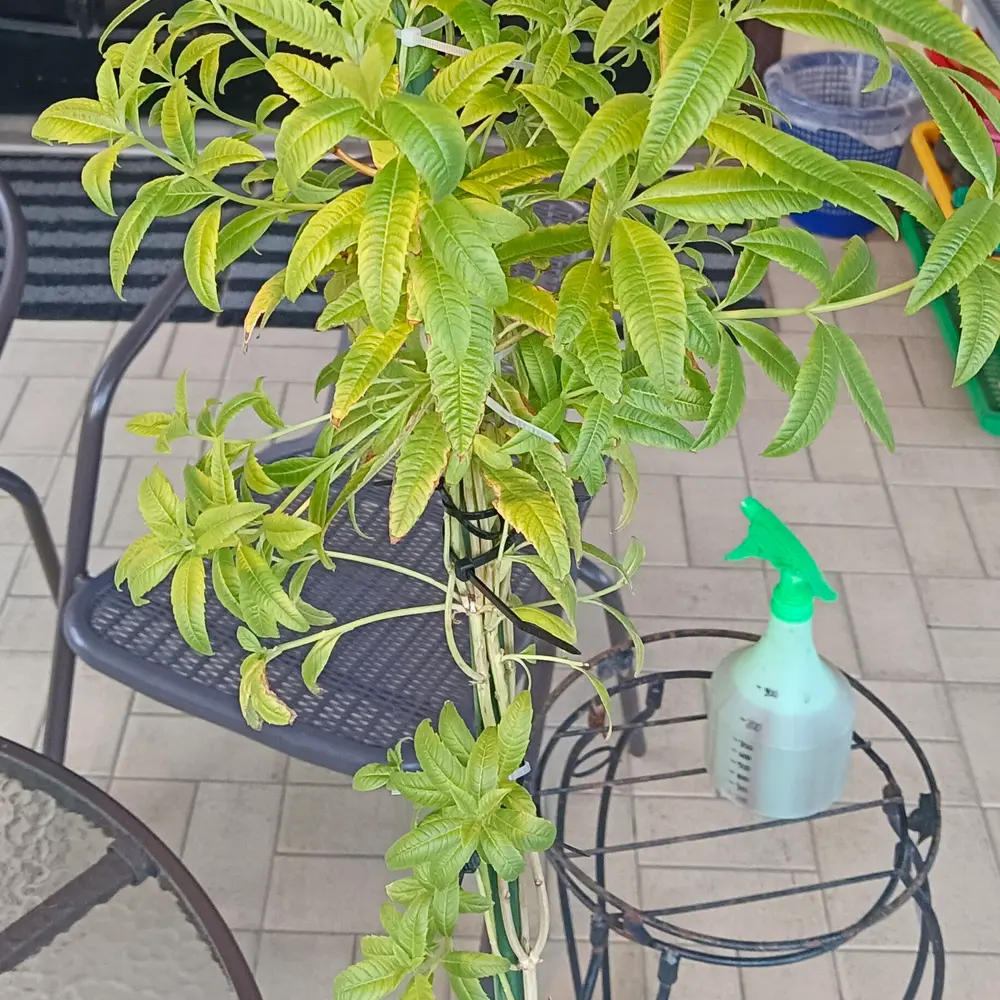
Poor soil conditions can also lead to limited growth, further contributing to this misconception. When the plant struggles, it might appear less perennial, but with the right care, it can thrive.
Regional Variations Affecting Classification 🌍
Climate plays a significant role in how Sweet Almond Bush grows. In different regions, variations in temperature and soil can affect its development, leading to misunderstandings about its lifecycle.
In colder areas, gardeners may treat it as an annual due to its seasonal dieback. However, recognizing its true perennial nature can enhance garden planning and design, allowing for a more vibrant landscape year after year.
Garden Design and Planning
Advantages of Using Sweet Almond Bush in Perennial Gardens 🌼
Sweet Almond Bush is a fantastic long-term investment for any garden. It offers consistent blooms and a sturdy structure that enhances your landscape year after year.
Moreover, this bush attracts a variety of wildlife. Its flowers draw in pollinators and beneficial insects, creating a vibrant ecosystem right in your backyard.
Tips for Integrating Sweet Almond Bush into Garden Design 🌱
When planning your garden, placement is key. Consider the sun exposure and soil conditions to ensure your Sweet Almond Bush thrives.
Companion planting can also elevate your garden's aesthetics. Pairing it with other perennials not only enhances visual appeal but also promotes a healthier garden environment.
Incorporating Sweet Almond Bush into your garden design can lead to a flourishing, dynamic space that evolves beautifully over time. As you plan, keep these tips in mind to maximize both beauty and biodiversity.
Management and Longevity
Best Practices for Managing Sweet Almond Bush as a Perennial 🌱
Pruning is essential for the Sweet Almond Bush. Regular trimming encourages new growth and promotes more abundant flowering.
Watering is another critical aspect. Ensure consistent moisture without waterlogging, as this plant thrives in well-drained conditions.
Tips for Maximizing Longevity and Health in the Garden 🌼
Fertilization plays a vital role in the health of your Sweet Almond Bush. Use balanced fertilizers during the growing season to support robust growth.
Pest management is also crucial. Keep an eye out for common pests and diseases, and implement organic solutions when necessary to maintain a healthy plant.
By following these management practices, you can enjoy a thriving Sweet Almond Bush that enhances your garden year after year. Transitioning into the next section, let's explore the advantages of incorporating this perennial into your garden design.
⚠️ Safety First
This content is for general information and may contain errors, omissions, or outdated details. It is not medical, veterinary advice, or an endorsement of therapeutic claims.
Always consult a qualified healthcare professional before using any plant as food, medicine, or supplement.
Never eat any plant (or feed one to pets) without confirming its identity with at least two trusted sources.
If you suspect poisoning, call Poison Control (800) 222-1222, the Pet Poison Helpline (800) 213-6680, or your local emergency service immediately.
Spotted an error? Please report it here.
Unlock the enduring beauty of your Sweet Almond Bush 🌿 with Greg's tailored care tips and reminders, ensuring it thrives and blooms year after year!